
AI controls fusion plasma, humans remain on board
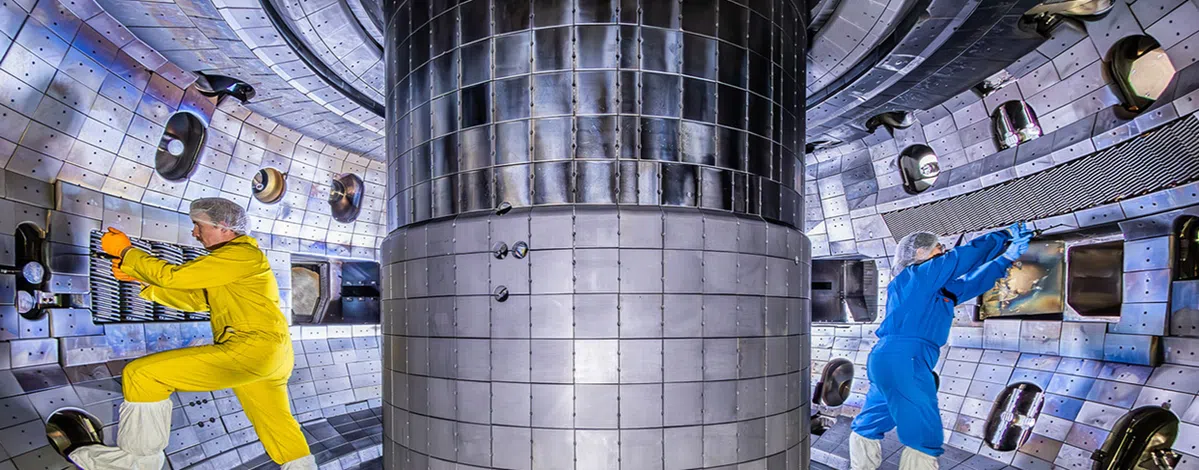
Researchers from Princeton University and the Princeton Plasma Physics Laboratory (PPPL) have developed an innovative software tool capable of monitoring and adjusting the plasma in a fusion machine. This tool, referred to as PACMAN, utilizes multiple AI models that work together to improve the stability of the plasma during the fusion processes. This advanced system has already been tested in five experiments on the DIII-D, a research fusion machine in San Diego.
The implementation of PACMAN marks a significant advancement in the management of plasma topology, a crucial aspect for the success of fusion. The Princeton team describes their results and the effectiveness of their methodology in a recent publication in the journal Nuclear Fusion. This research could make an important contribution to the development of sustainable energy sources by accelerating the feasibility of fusion as an energy source.
While the AI systems promise substantial improvements in controlling the plasma, the role of humans remains essential. Overseeing the AI output and making critical decisions is still carried out by the researchers, ensuring the integrity of the process. This underscores the collaboration between humans and machines in scientific research, especially in complex systems like fusion.
Lees het volledige artikel op www.bright.nl
https://www.bright.nl/plusplus/2134025/milliseconden-tellen-zo-helpt-ai-kernfusie-vooruit.htmlGerelateerde artikelen

YouTube introduces new video codec AV2 in 2027
YouTube has announced that it will start offering videos via the new video codec AV2 in early 2027. This innovative technology promises a significant improvement in video quality by using data more ef...

Tech Festival
25 October 2026

Trioworld: Energy from Dirty Factory Air
The Dutch packaging company Trioworld, based in Harlingen, has developed an innovative approach to dealing with dirty factory air. Instead of simply venting this air, the company has built a special i...
Tech Festival
25 October 2026
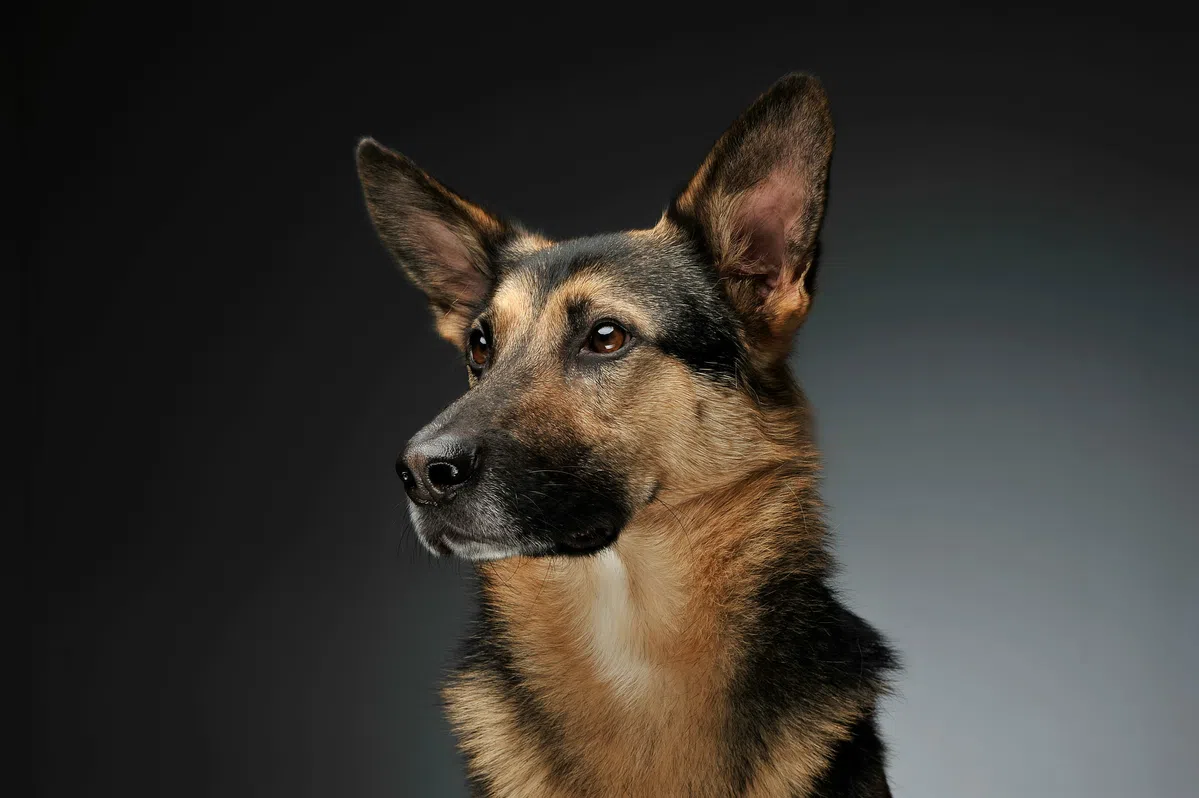
Startup develops genetic super dogs for the military
The American startup Warhound has ambitious plans to transform military dogs into advanced super animals. This endeavor involves modifying the genes of these dogs and also exploring the cloning of spe...
Tech Festival
25 October 2026