
Efficiency of AI Factories Highlighted at AI Infra Summit
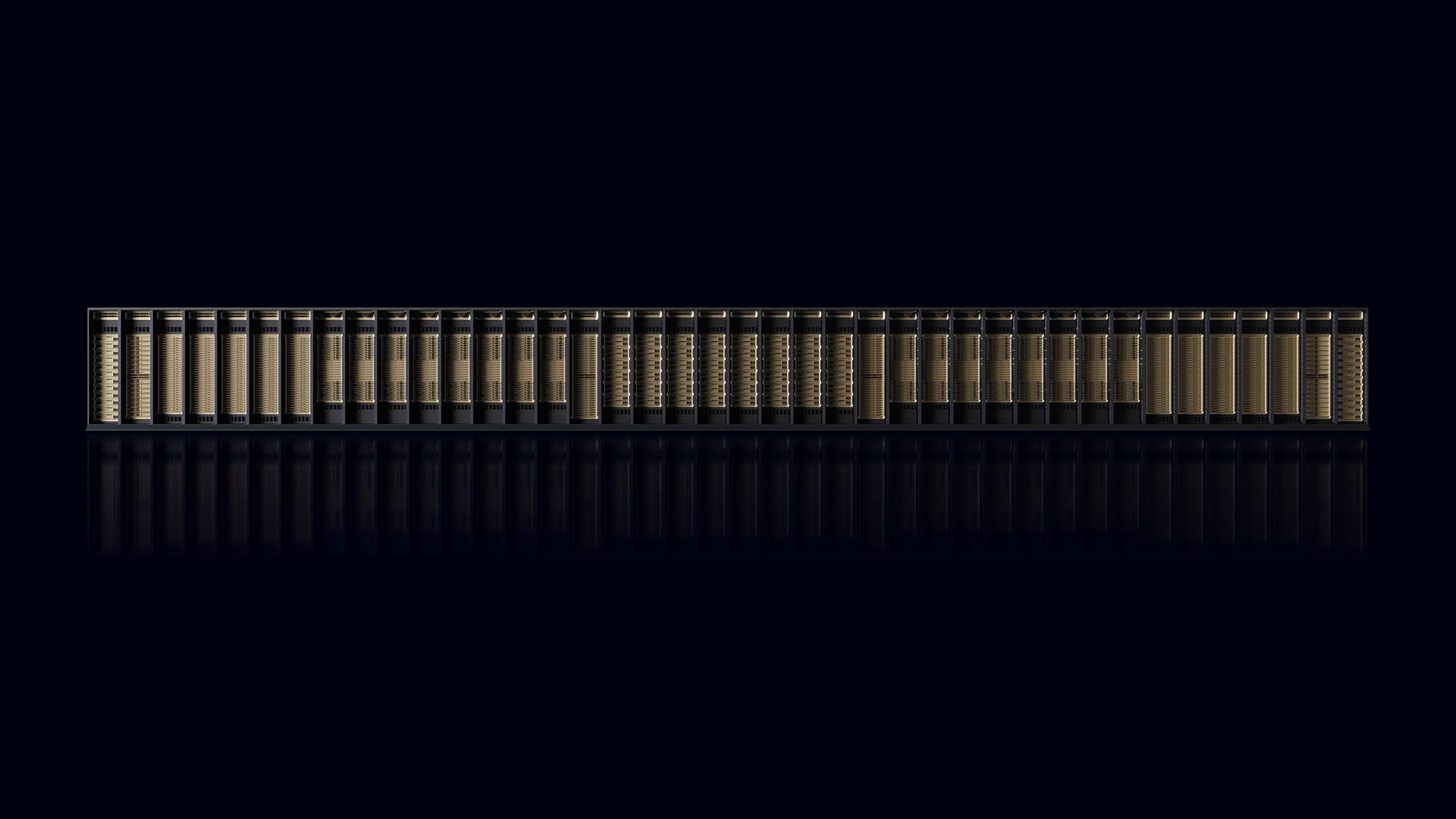
At the AI Infra Summit in Santa Clara, attended by over 8,000 participants, Ian Buck, VP of NVIDIA, spoke about the efficiency of AI factories. This year, attendance grew significantly compared to last year, confirming the growing interest in infrastructure technology. Buck discussed new collaborations, including those with Amazon's Annapurna Labs and d-Matrix, focused on the development of NVHBM memory technology and the integration of NVIDIA's NVLink Fusion platform with d-Matrix Raptor XPUs.
During the event, NVIDIA and its partners showcased progress on multiple fronts. Emerald AI and NVIDIA revealed a flexible load program collaborating with Silicon Valley Power, and Lambda reported a 23% improvement in performance per watt using NVIDIA's DSX MaxLPS. Additionally, Pinterest has implemented Blackwell and Dynamo inference software to enhance conversational AI.
The shift in the approach to AI infrastructure increasingly focuses on efficiency and scalability with the new metric of *agentic tokens per megawatt*. NVIDIA’s complete ecosystem, including Vera Rubin systems and Dynamo software, aims to maximize token production while improving energy efficiency. The DSX MaxLPS technology provides a significant increase in tokens per megawatt, which is crucial for AI factories looking to derive economic value from their energy consumption.
Moreover, partners like Emerald AI and Lambda demonstrated innovations in energy management and performance improvements. Emerald AI's DSX Flex software enables dynamic adjustments of energy consumption based on real-time electricity grid signals. Lambda's results showed that within the same energy infrastructure, more GPU capacity can be integrated, optimizing production capacity per energy consumed.
For startups utilizing the NVIDIA Vera CPU, the results are promising. Benchmark tests indicate that this CPU delivers significantly better performance for agentic AI applications, with huge improvements compared to traditional CPUs. This confirms the trend that efficiency and scalability will define the future of AI infrastructure.
Read the full article from Nvidia.
Gerelateerde artikelen

The AI Graveyard: projects and startups that failed
The landscape of artificial intelligence (AI) is ever-changing, with numerous projects and startups creating high expectations, but ultimately not performing as desired. This article highlights some o...

Tech Festival
15 September 2026
Data centers in the US: massive growth in gas consumption
The rise of artificial intelligence is leading to unprecedented growth in data centers in the United States. According to recent forecasts, these data centers could consume more natural gas by 2035 th...
Tech Festival
15 September 2026
SpaceX's Starship orbital attempt scheduled for September 22
SpaceX, the aerospace company of Elon Musk, has announced plans to bring the Starship rocket into orbit around the Earth for the first time on September 22. This mission is a significant milestone for...
Tech Festival
15 September 2026