
Lisbon bans e-scooters, will the Netherlands follow?
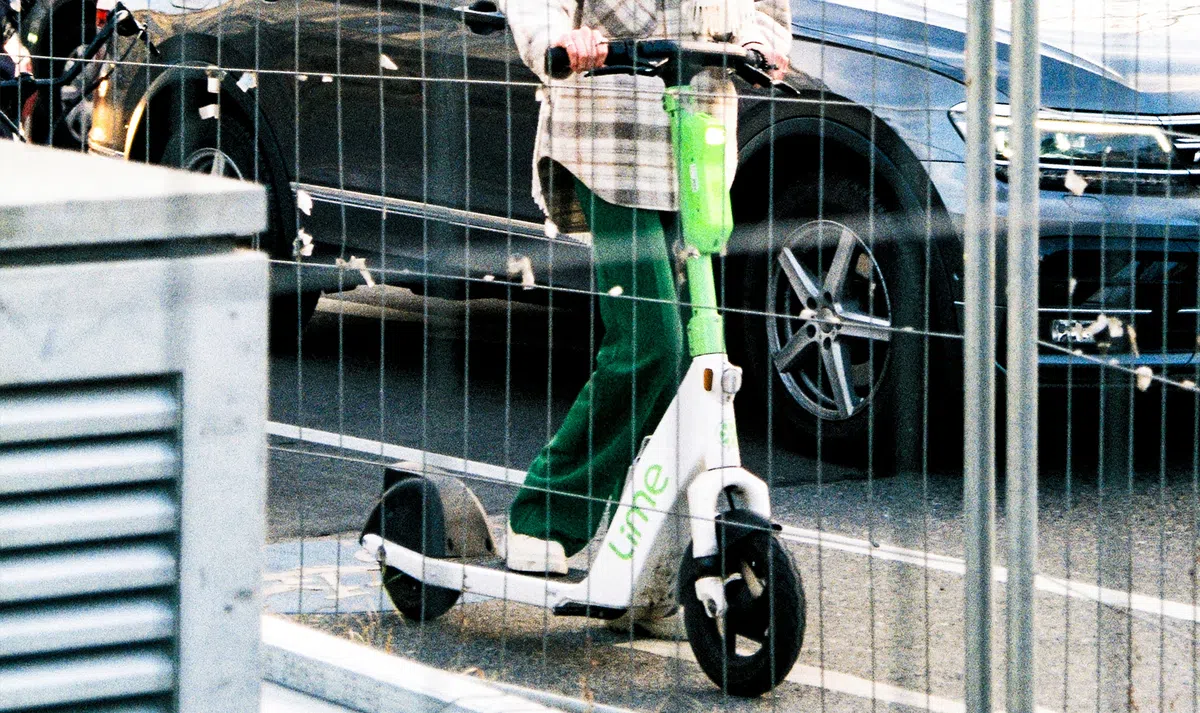
In a clear step towards more sustainable urban transportation, the city council of Lisbon has decided to remove all e-scooters from the streets immediately. This decision comes in response to growing concerns about the nuisance and safety of shared transportation, which has become a problem in many European cities. While the Netherlands prepares for the legalization of electric scooters, countries like Portugal have already advanced in their approach to this type of urban transport.
The measure in Lisbon is symptomatic of a larger trend in Europe, where more and more cities are restricting the operation of e-scooters. Several other European cities have implemented similar measures, making the future of e-scooters in urban transport increasingly uncertain. This raises the question of how long it will be before e-scooters also disappear in the Netherlands, despite recent steps toward legalization.
The efficiency and accessibility of shared transportation can certainly offer benefits, but many cities are primarily experiencing the negative consequences. The combination of unsafe situations and traffic nuisance has led to a reconsideration of policies regarding e-scooters in various countries. The Netherlands currently seems to be in a paradoxical situation, where the rise of legal electric scooters is developing while other cities are banning them.
It is clear that a balance must be found between innovation in transportation and the livability of cities. Developments in Lisbon can serve as a framework for other European cities, including those in the Netherlands, to consider a sensible approach to shared transportation. This policy shift in other countries may also influence future decisions in the Netherlands.
Read the full article from Bright.
Gerelateerde artikelen

Upwind raises $400 million after rejecting Datadog offer
Upwind, a cloud security startup, has completed a Series C funding round worth $400 million. This has led to a valuation of $3.8 billion for the company. This funding round comes at a time when Upwind...

Tech Festival
28 October 2026
Apple's new touchscreen MacBook Pro drives prices up
Apple has recently introduced its new touchscreen MacBook Pro, which offers users the option to equip their laptop with various upgrades. These configurations can push the price for a full-spec model...
Tech Festival
28 October 2026
Microsoft reveals Azure revenue of $33.2 billion
Microsoft has announced the quarterly revenue of its cloud platform Azure for the first time, now standing at $33.2 billion. This revelation marks an important milestone for the company, which had pre...
Tech Festival
28 October 2026