
Anthropic advocates for stricter AI regulations in the US

The rapid development of artificial intelligence (AI) increasingly raises questions about the potential risks and consequences for society. Warnings about the unpredictable impact of AI systems come from various quarters, including tech experts and policymakers. While there is much discussion around these themes, there is often a lack of concrete actions and guidelines to regulate the use of AI. In this context, Anthropic, an AI research company, recently presented a proposal aimed at improving the effectiveness of AI policy in the United States.
Anthropic advocates for a safety policy that is based on clear risk analysis and preventive measures. Their proposal includes the guideline that when there is a suspicion of AI-induced harm, defined in terms of potential victims, immediate action must be taken. Specifically, they state that when there is a possibility that an AI system could lead to the death of 50 or more people, that system must be banned or terminated. This strict criterion emphasizes the necessity for responsible development and maintenance of AI technologies.
Moreover, Anthropic calls for increased collaboration among tech companies, governments, and scientists. This would enhance the ability to effectively monitor and manage the risks of AI. The need for such partnerships is becoming increasingly clear as AI is further integrated into various sectors, from healthcare to finance, and is also becoming more complex in its applications.
As the discussion around AI and ethics continues, Anthropic's proposal represents a step towards creating a clearer regulatory framework. It demonstrates that warnings alone are not enough; action is required to ensure that the benefits of AI do not come at the cost of public safety. This is crucial at a time when technological advancement is outpacing the development of policies.
Read the full article from Bright.
Gerelateerde artikelen

DeepSeek V4.1 Flash 1017: Improvements in Programming
On October 17, 2026, DeepSeek introduced a new version of its Flash model: DeepSeek-V4.1-Flash-1017. This update promises faster task execution, shorter responses, and improved scores on programming t...

Tech Festival
17 October 2026
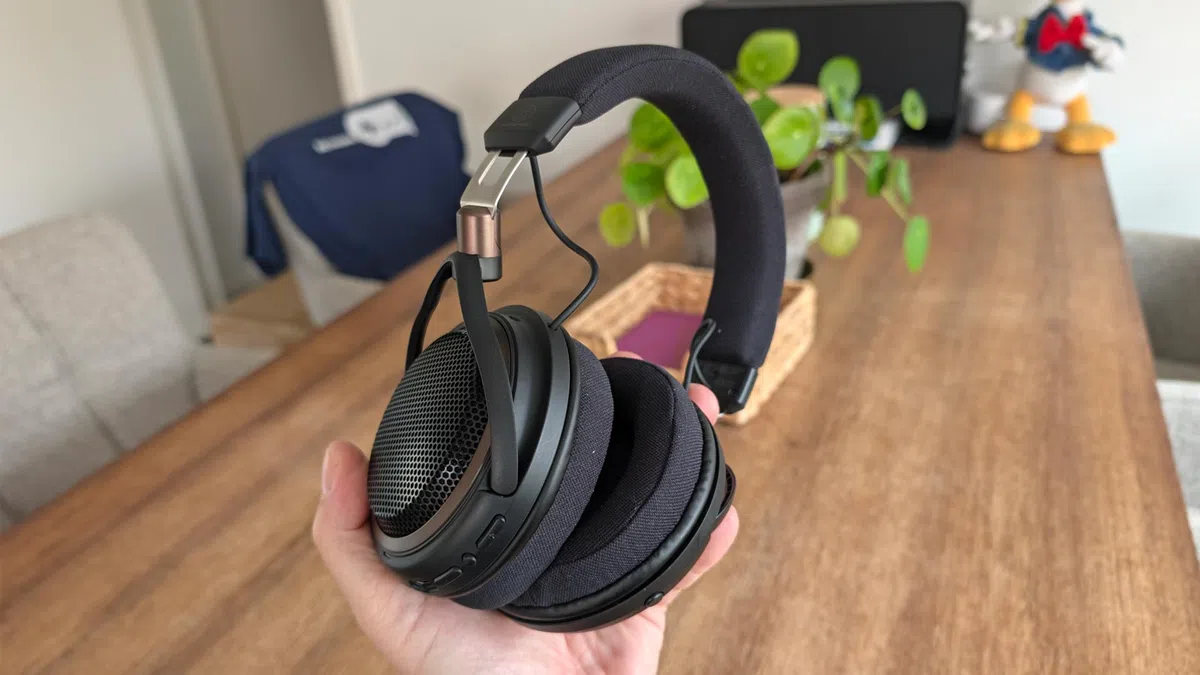
Review Audio-Technica ATH-AL5NC: Active Noise Cancellation
Sometimes you come across a product that can surprise you again, and the Audio-Technica ATH-AL5NC is an excellent example of that. This open-back headphone features active noise cancellation, which at...
Tech Festival
17 October 2026

Ancient discoveries in Alaska provide insight into Ice Age hunters
American researchers have made a significant breakthrough with their years-long study of a campsite in Alaska, dating back approximately 13,800 years. This unique camp, located near the ancient Bering...
Tech Festival
17 October 2026