
Blue wave in the US due to aversion to data centers
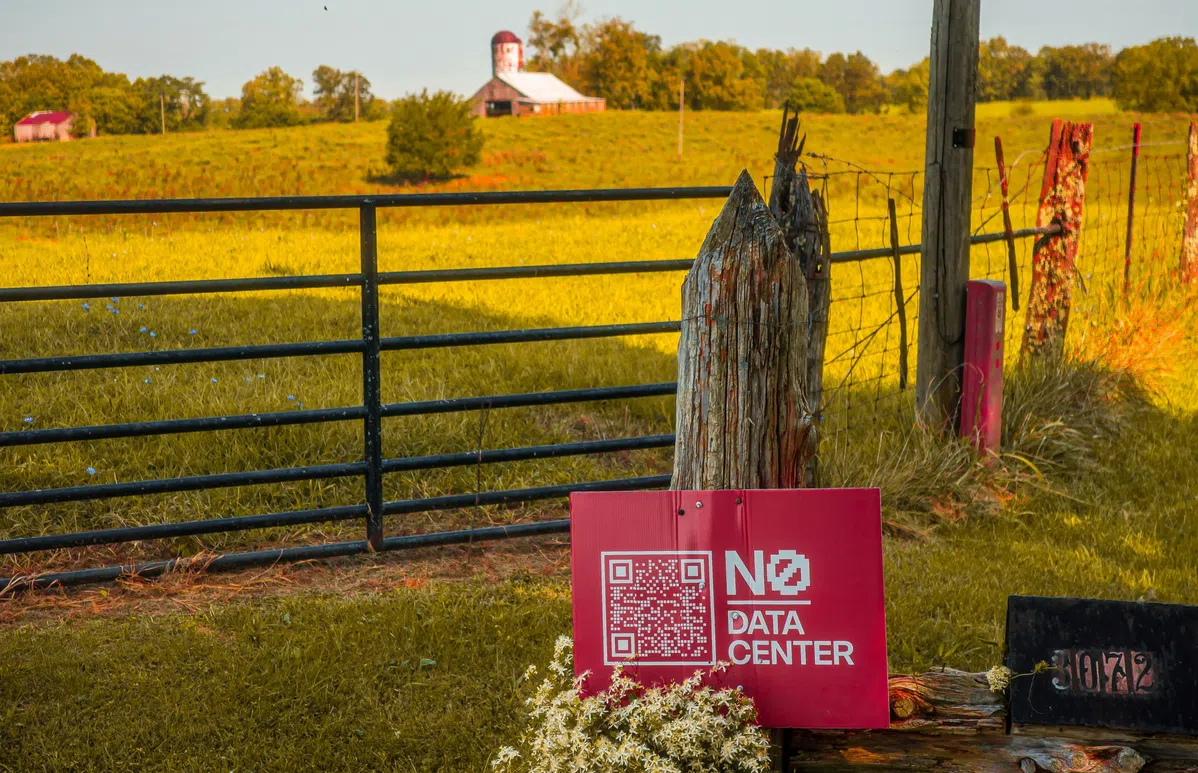
The recent midterm elections in the United States have resulted in a remarkable victory for the Democratic Party, which is referred to by many as a 'blue wave'. This win is not only due to political strategies and campaigns but also to a growing public aversion to the exponential increase of data centers in the country. This development illustrates how local issues can drive politics and even influence voting behavior.
The rise of data centers, often seen as necessary for modern technologies and infrastructures, is also a source of concern for many communities. The similar sentiment from environmental concern, land use planning, and the impact on local economies plays a crucial role in how residents relate to political choices. This growing aversion has had a direct impact on the Democratic voter base, which has united against what they perceive as a negative influence on their living environment.
The phenomenon of local issues triggering political change is becoming increasingly relevant in the political landscape of the United States. The opposition to data centers seems to be a sign of a broader movement, where voters are becoming more engaged with topics that affect their immediate surroundings. The Democrats have taken a key position in this dynamic by presenting themselves as the party that takes concerns about data centers and the resulting issues seriously.
Through this development, we can conclude that today's political choices are significantly influenced by local conditions and the concerns of the population. This offers an interesting perspective on how technology and infrastructure can shape political landscapes and may serve as an example for other regions struggling with similar issues.
Read the full article from Bright.
Gerelateerde artikelen
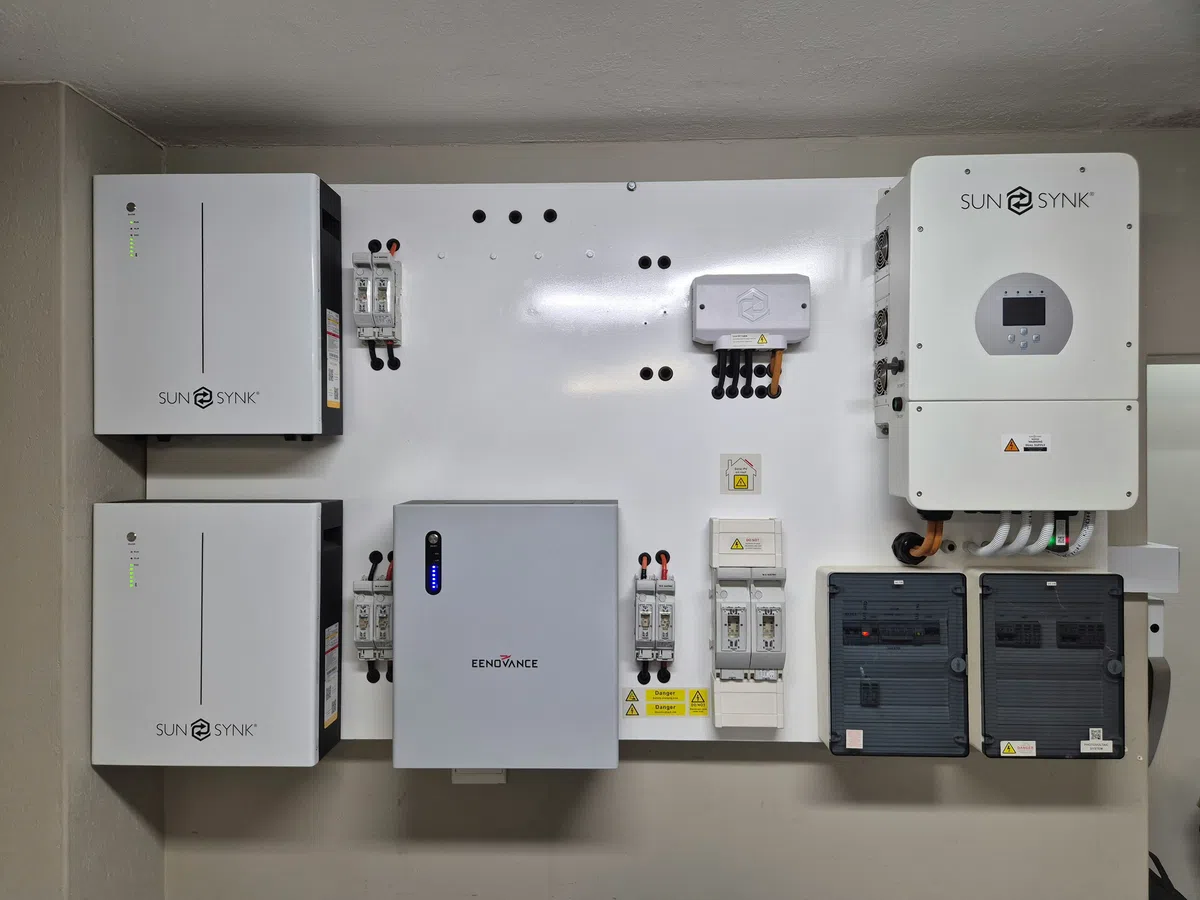
Record number of new batteries in the Netherlands
In the Netherlands, even more batteries were registered in October than in the previous month, September. This indicates an increasing focus on sustainable energy and batteries, which are essential fo...

Tech Festival
04 November 2026
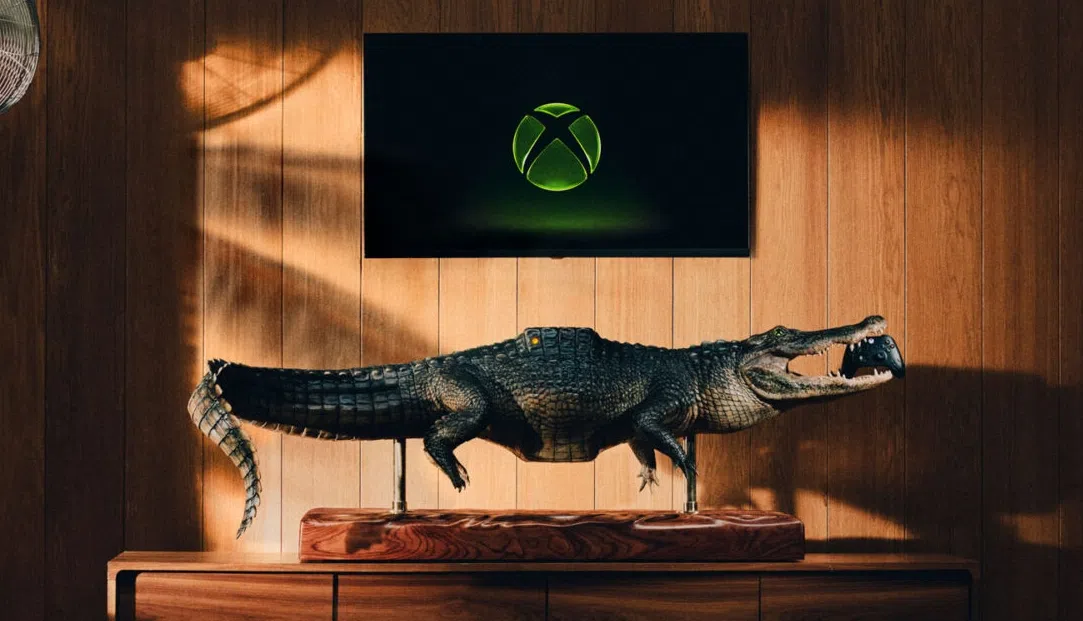
Microsoft promotes Xbox with life-sized alligator
Microsoft has launched a unique promotional campaign where they are giving away a life-sized alligator in the shape of an Xbox. This initiative is a clever move to draw attention to the upcoming game...
Tech Festival
04 November 2026

TechCrunch Founder Summit 2026 starts in Boston
Today is the day: the TechCrunch Founder Summit 2026 begins at the SoWa Power Station in Boston. This conference, aimed at founders, offers a unique opportunity for entrepreneurs and leaders in the te...
Tech Festival
04 November 2026