AI fraud in job applications is on the rise
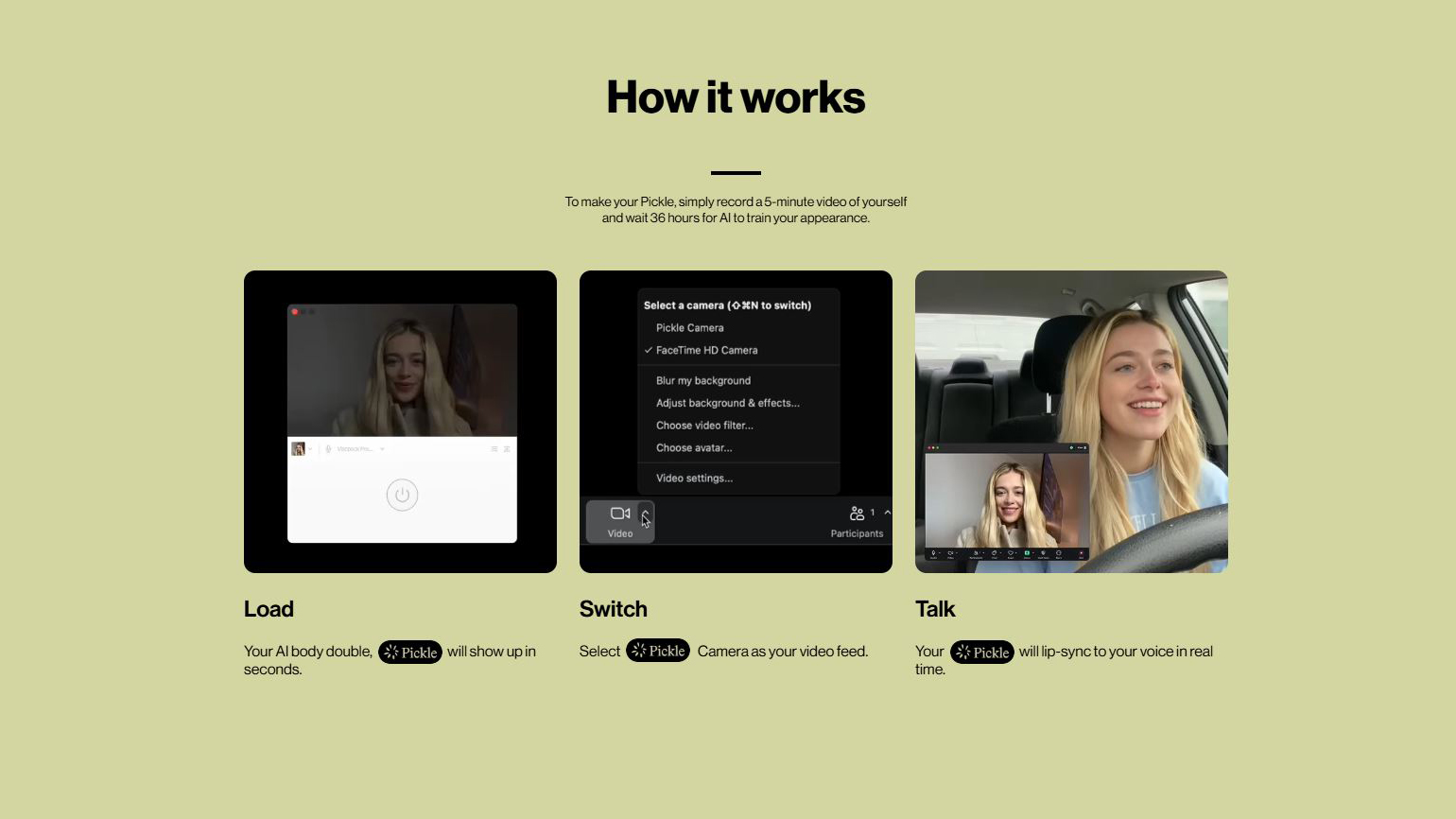
Recent research from the Institute of Student Employers, published by the BBC, shows that 92% of major British employers suspect AI misuse in job applications. This is an increase from 85% last year. The most common form of misuse involves the use of chatbots, which provide live answers to candidates during online job interviews. This phenomenon reflects the increasing competition in the labor market, where an entry-level job receives an average of 141 applications, mostly from candidates using AI to submit multiple applications simultaneously.
The effects of these AI applications are visible in the application process. Hollie Moody from energy company EDF indicates that her company has experienced an increase in applications, with AI-generated answers becoming increasingly similar. Tools like Final Round AI and Parakeet allow real-time responses to be displayed on the candidate's screen, creating a challenge for interviewers. This is not without consequences; a survey among American tech companies shows that 81% of interviewers suspect candidates are using AI, and 31% have actually caught someone in the act.
In addition to candidates, employers are also using AI during the recruiting process. Currently, 16% of British employers screen with the help of AI, and more than half are planning to implement this. This raises ethical questions, such as the idea that employers ask candidates not to use AI while they themselves deploy this technology. A rule being introduced in the EU will require employers to disclose when a candidate is communicating with an AI system. However, this transparency does not apply to candidates using avatars or deepfake technology, emphasizing the need for employers to take extra precautions.
The accessibility of technology such as deepfake tools is an additional concern for employers. This enables applicants to participate in job interviews with fillable identities based on AI. There are already examples of candidates using AI filters to conceal their identity, leading to the implementation of measures by employers to see through this technology. All of this underscores the complex dynamics of the modern labor market, where both candidates and employers are using AI, leading to a stimulating ethical discussion.
Read the full article from AI Insider.
Gerelateerde artikelen
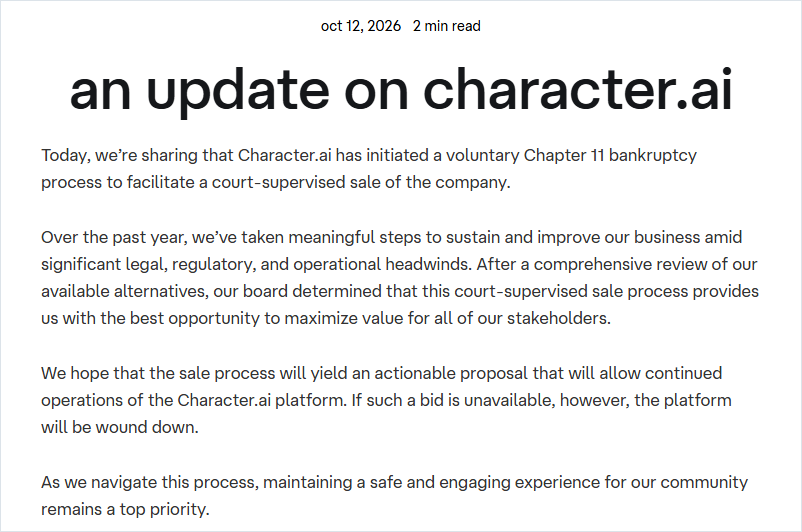
Character.AI files for bankruptcy, Disney as buyer
Character.AI has filed for bankruptcy, shortly after Disney hired former CEO Karandeep Anand. This remarkable news surfaced on October 12, and shortly thereafter, Disney made a bid of $20 million for...

Tech Festival
14 October 2026

Scimplify raises $25 million for growth in critical materials
Scimplify, a company focused on critical materials, has recently raised $25 million to accelerate its operations and reduce dependence on China. This capital enables the company to enhance its technol...
Tech Festival
14 October 2026

Why Tony Stark Won't Return in VisionQuest
The creators of the new Marvel series VisionQuest had a clear vision for their series, with a desire to bring back the character Tony Stark, played by Robert Downey Jr. However, the idea of seeing Dow...
Tech Festival
14 October 2026