
Anthropic loses 80 billion dollars just before IPO

Anthropic, the company behind the AI assistant Claude, recorded a net loss of 80.7 billion dollars in the first six months of this year, according to a draft prospectus for an upcoming IPO reviewed by the Wall Street Journal. This loss gives the impression of a financial crisis just before the IPO, but upon closer inspection, the situation is more complex. Most of the loss is not a direct cash loss, but an accounting entry resulting from the conversion of previous loans.
Approximately 72 billion dollars of the loss is related to the increase in value of convertible loans, which have become significantly more valuable on paper due to the company's strong growth. As a result, Anthropic must record this increase in value as a loss, leading to a distorted net loss. In comparison, last year the net loss was 13 billion dollars over the same period, and for the entirety of 2025, it was 42 billion dollars.
Despite the significant loss, Anthropic shows explosive revenue growth. In the first half of 2026, the company achieved revenue of 16.3 billion dollars, a substantial increase from 1.1 billion dollars a year earlier. Additionally, the company was profitable in the third quarter according to its own calculations, indicating a positive trend in cash flow. The growth is driven by popular products like Claude Code, which is gaining traction among developers and is expected to go public in November.
A major risk for Anthropic is the high costs for computing power, which could amount to 750 billion dollars for long-term agreements with data centers and chip suppliers. Additionally, there are concerns about dependence on a few customers for a large portion of revenue and the potential impact of fluctuations in the AI market. Investors are worried about these high expenditures and pressure on cash flow, especially after recent negative sentiment surrounding AI stocks.
Read the full article from AI Insider.
Gerelateerde artikelen
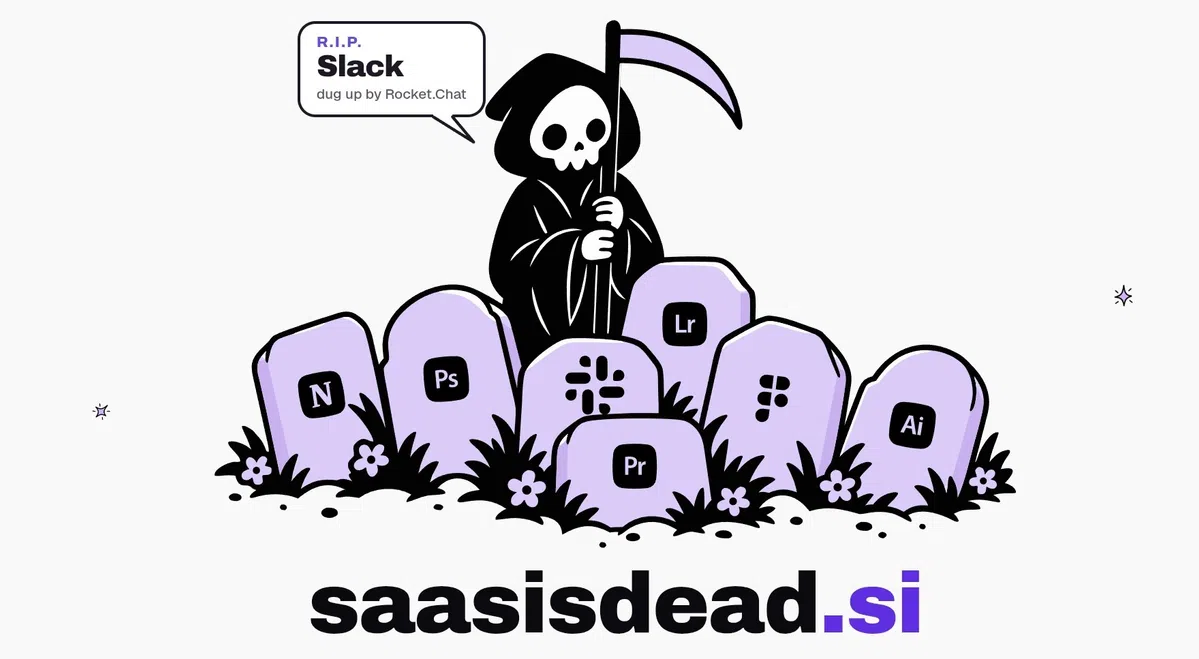
Why are you still paying for software?
In an era where digital solutions are becoming increasingly dominant, paying for software seems outdated. The owner of the website saasisdead.si argues that there is a free alternative available for a...

Tech Festival
21 October 2026

68 Members of Parliament Use AI for Speeches
Recent research by De Groene Amsterdammer and Investico has revealed that 68 of the 150 members of parliament delivered speeches last year that were largely written by AI chatbots such as ChatGPT and...
Tech Festival
21 October 2026

Building a PC Yourself 51% More Expensive in a Year
Anyone considering building a PC themselves should keep a close eye on their wallet. Over the past few years, the costs of assembling a computer have risen by as much as 51 percent. This results in an...
Tech Festival
21 October 2026