
Crash Tests and the Evolution to Self-Driving Cars
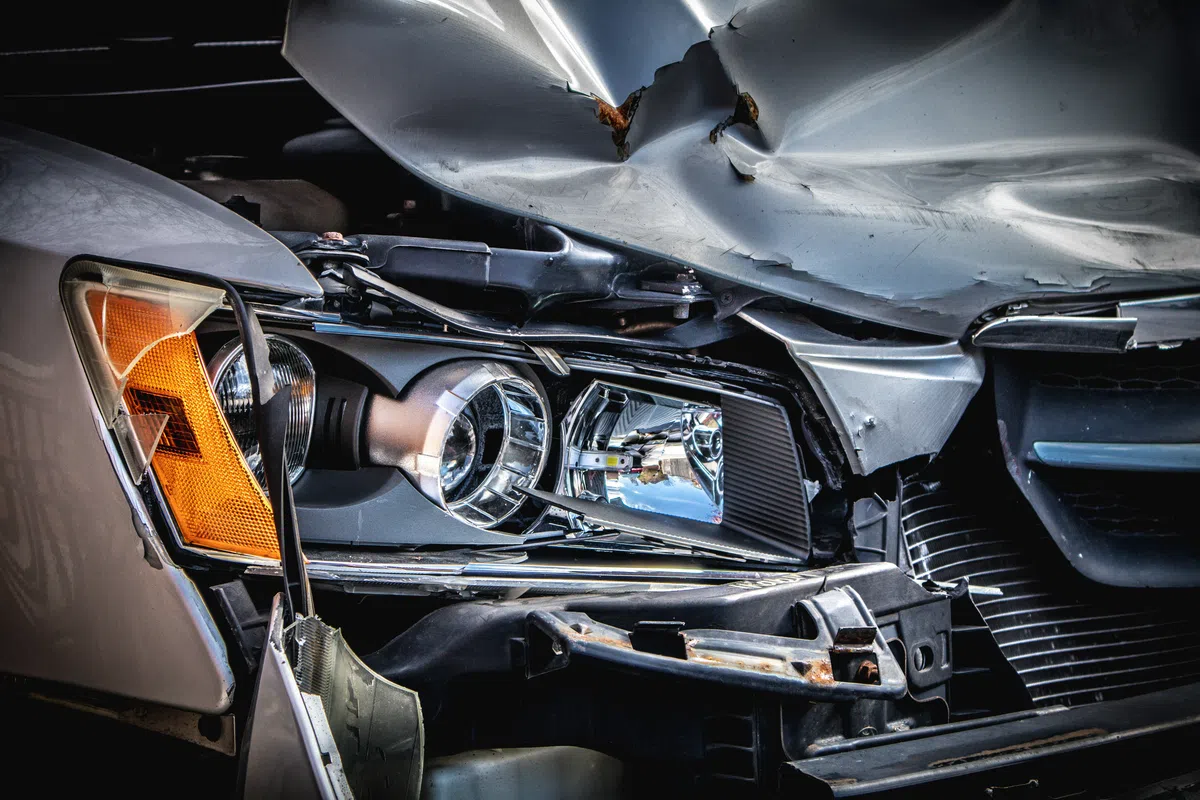
Traditional crash tests, which once involved testing a car with a dummy against a wall, have significantly improved over the years. Current methods are extensive and advanced, but the rise of self-driving cars calls for a revision of these testing procedures. As we enter an era of autonomous vehicles, existing crash tests need to be adapted to the unique circumstances and risks that this technology presents.
Self-driving vehicles impose different safety and reliability demands compared to traditional cars. With the increased complexity of the systems and reliance on artificial intelligence, the testing methods must also evolve. This means that in addition to the physical impact of a collision, other factors such as software and algorithmic decisions will also be crucial in testing these vehicles.
There is a growing consensus among experts that new testing strategies need to be developed. This means that crash tests must not only focus on the mechanical impact but also on the performance of sensors and decision-making algorithms in real-time situations. Creating simulated environments in which these vehicles are tested instead of the traditional model with physical obstacles could be a valuable addition to current methodologies.
It is essential that legislation keeps pace with technological advancements in the automotive sector. Autonomous vehicles have the potential to improve road safety, but only if the right tests and evaluations are conducted to fulfill these promises. The standardization of crash tests focused on self-driving technology is a necessity to ensure that these vehicles are safe before they are allowed on the road.
Read the full article from Bright.
Gerelateerde artikelen

Microsoft considers advertisements during games
In recent years, the use of subscription services has increased significantly, but we are now also seeing a resurgence of advertising revenue. This is demonstrated by Disney+, which recently announced...

Tech Festival
21 September 2026

OpenAI scores 99.9 percent on ARC-AGI: hack forces action
Recently, OpenAI has achieved significant breakthroughs, including a 99.9 percent score on the ARC-AGI 3 benchmark and significant progress in solving the Navier-Stokes problem. These developments, co...
Tech Festival
21 September 2026
Vulnerability of the electricity grid due to AI
The electricity grid is already vulnerable to cyberattacks, but the rise of artificial intelligence (AI) significantly amplifies this vulnerability. AI technologies can be exploited by malicious actor...
Tech Festival
20 September 2026