Data Centers: Huge Increase in Energy Consumption Due to AI
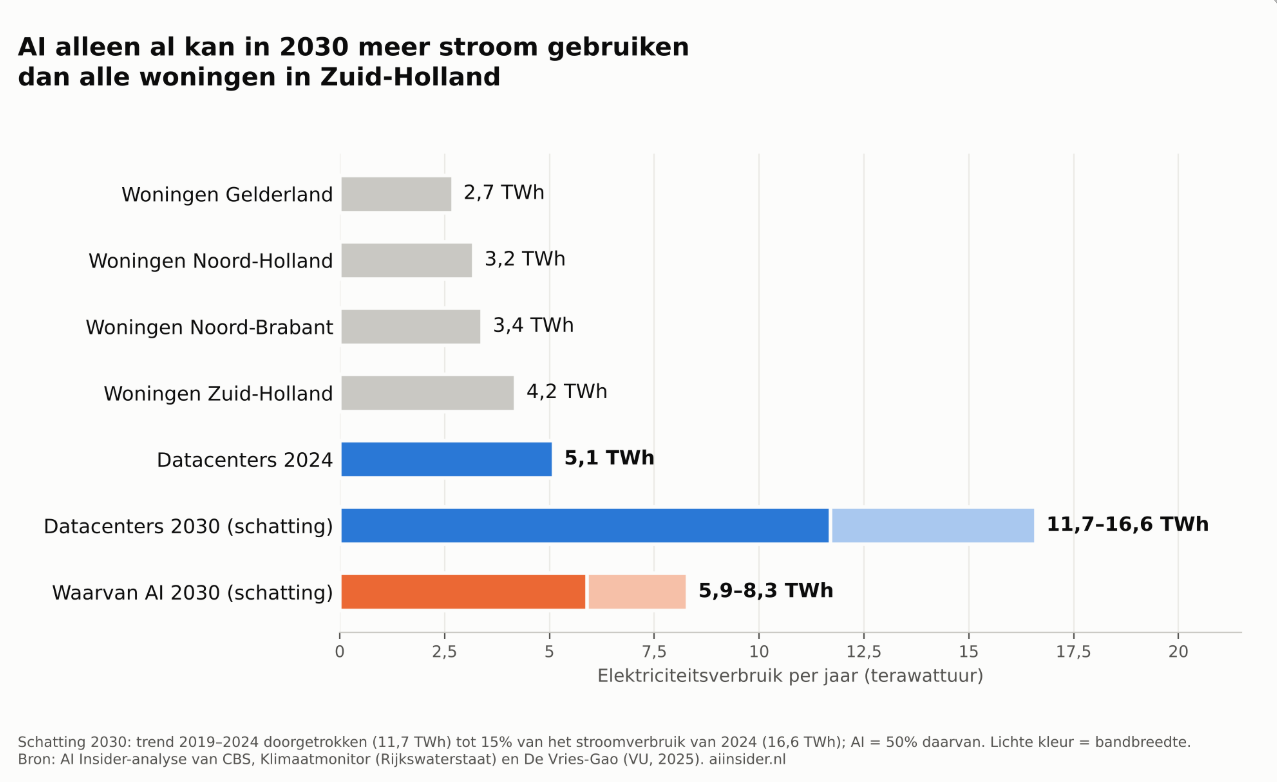
By 2024, the electricity consumption of AI in the Netherlands could exceed that of all 1.7 million residences in South Holland combined. This is evident from a recent analysis by AI Insider, which also reveals that data centers as a whole are expected to use 10 to 15 percent of the total electricity. However, accurately measuring the energy consumption by AI remains a challenge, as three-quarters of large data centers offer no transparency about their energy usage.
According to figures from the CBS, Dutch data centers currently consume more electricity than all residences in South Holland, totaling 5.1 terawatt-hours in 2024. They mention in their forecasts for the future that if the current growth persists, consumption could rise to between 11.7 and 16.6 terawatt-hours by 2030, which could represent between 50 and 75 percent of the current average consumption of Dutch households.
The demand for electricity is primarily generated by a select group of large data centers that account for about 90 percent of the total consumption in the sector. For these locations, which are nearing the limits of the electricity grid, there are often significant restrictions on connecting new infrastructure. This issue is not unique to the Netherlands, as tech giants like Microsoft and Google also point out the challenges that this energy infrastructure poses for European AI initiatives.
There are also concerns about the water consumption of these data centers. The Drinking Water Platform states that this is currently limited, but optimistic estimates indicate a significantly higher need as new data centers emerge. For instance, a new complex by Equinix in Amsterdam, at full expansion, could consume as much water as a city of 25,000 inhabitants. Nevertheless, transparency regarding water and electricity consumption remains a major problem in the sector, with data centers often failing to disclose the necessary data.
Read the full article from AI Insider.
Gerelateerde artikelen

TechCrunch Disrupt 2026: Line-up and registration
TechCrunch has announced the full line-up for the Disrupt Stage for 2026. This year, attendees can expect an impressive list of speakers, including Max Hodak, Mark Wahlberg, and representatives from B...

Tech Festival
05 October 2026
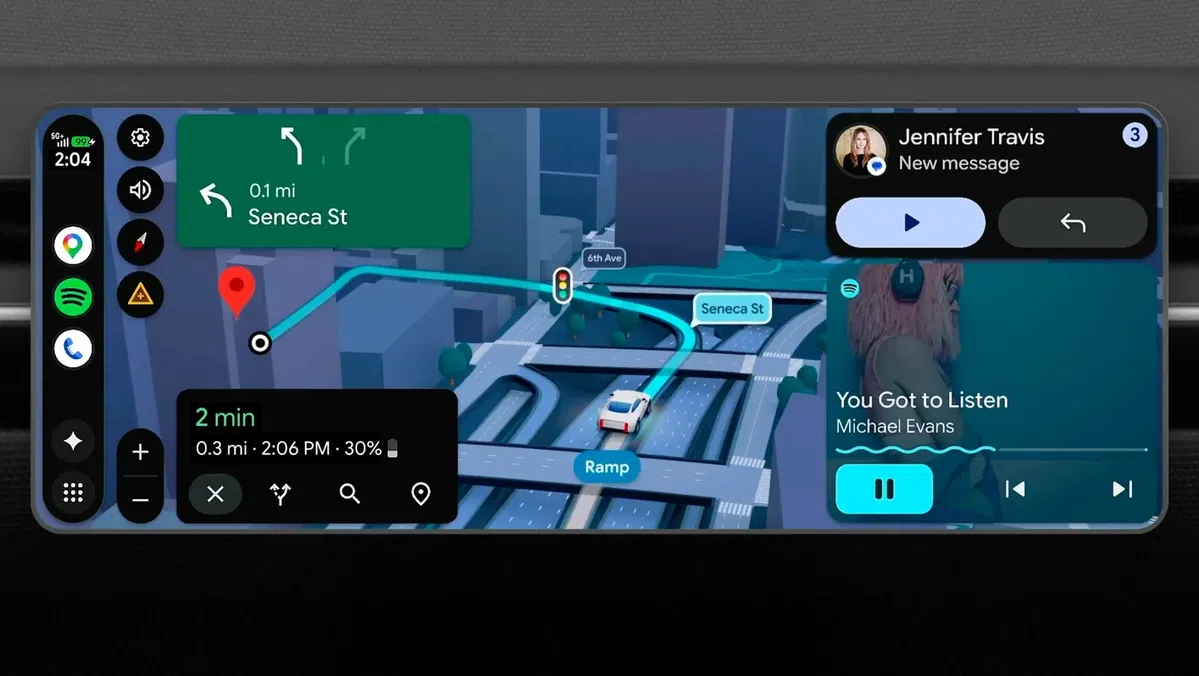
Android Auto: new requirements for millions of smartphones
Android Auto, the application that facilitates the use of smartphones in vehicles, seems to be undergoing changes for millions of users. Officially, the application should support smartphones running...
Tech Festival
05 October 2026
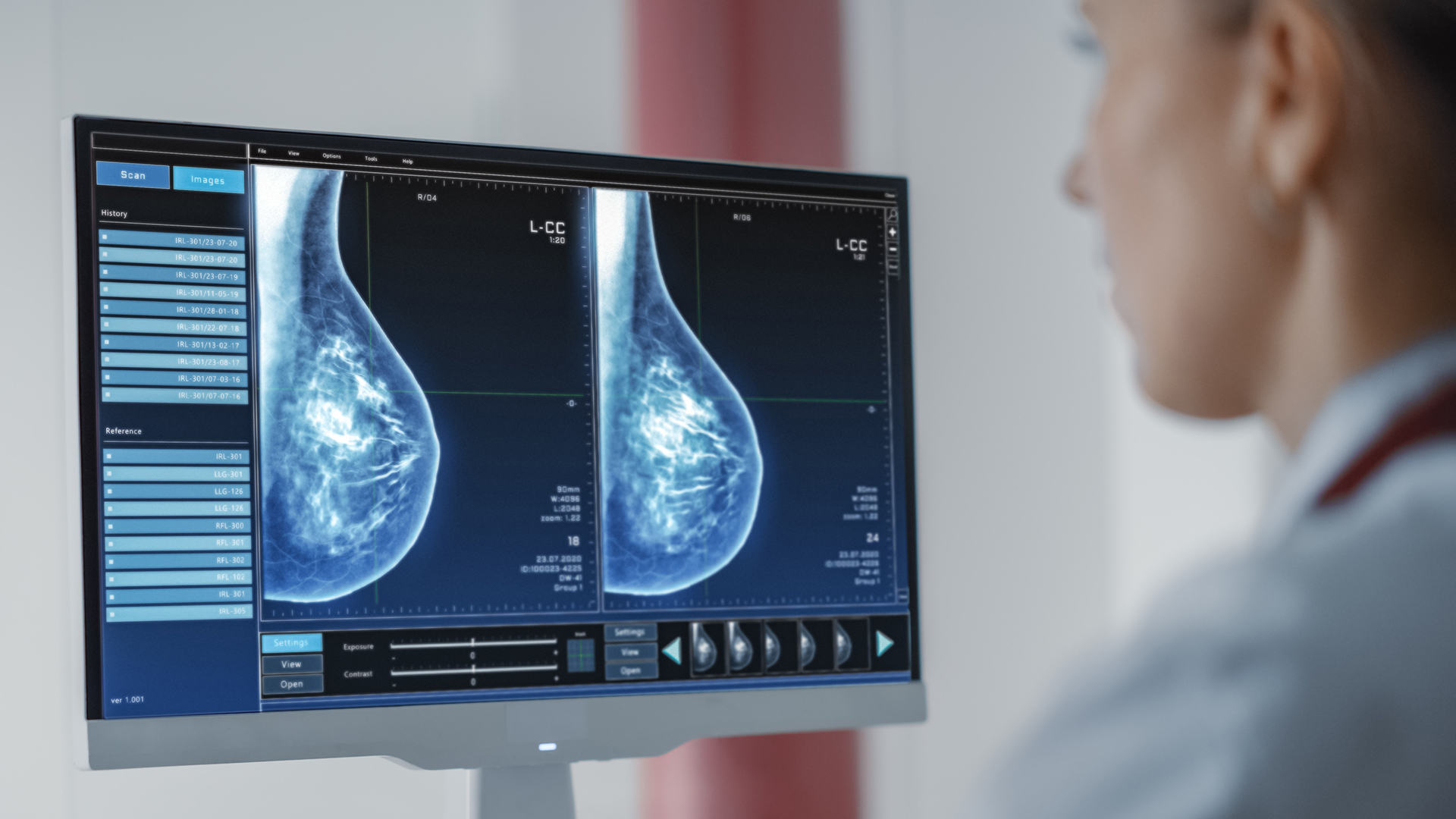
AI in Healthcare: Improvements in Breast Cancer Treatment
Breast cancer is the most common cancer among American women, but the care surrounding this disease exhibits significant gaps. Many women over 40 forego the recommended annual screening, and radiologi...
Tech Festival
05 October 2026