
Data leak at Panasonic by employee to prohibited AI service

On October 23, 2026, Panasonic announced a data leak involving personal data of approximately 334,000 people uploaded to an external AI service that is prohibited within the company. This data leak concerns both current and former employees in Japan, as well as their family members. The company emphasizes that there is no external hack involved, but that the leak resulted from a violation of internal rules by a project member.
The data leak occurred during a project aimed at implementing a new personnel system. An employee uploaded part of the personnel database, dated April 2026, to the prohibited AI service. Panasonic does not provide the exact identification of this service. It mainly concerns former employees, with about 178,000 people having left the company between 1978 and 2026, and a significant group of approximately 75,000 current employees. However, the leaked data did not involve names of active employees, while the names of family members listed as emergency contacts were leaked.
The leak was reported to the Japanese privacy regulator on September 29, but was only made public three weeks later. Panasonic stated that, upon discovery of the leak, the employee immediately deleted the relevant chat history and data from the work computer. The AI service to which the data was sent has stated that the trained user data is not accessible to other users. The deleted data will be retained for legal purposes for another 30 days.
Panasonic claims to have no evidence that the leaked data has been misused or made public. The company intends to adjust the rules regarding AI usage and provide more information to employees about which AI tools are allowed. The incident raises important questions about the safeguarding of personal data and the use of AI technology. In the Netherlands, it appears that the use of private AI accounts for work is also widespread, with almost 49% of employees occasionally or often doing so. This aligns with previously observed data leaks recorded by the Dutch Data Protection Authority.
Read the full article from AI Insider.
Gerelateerde artikelen
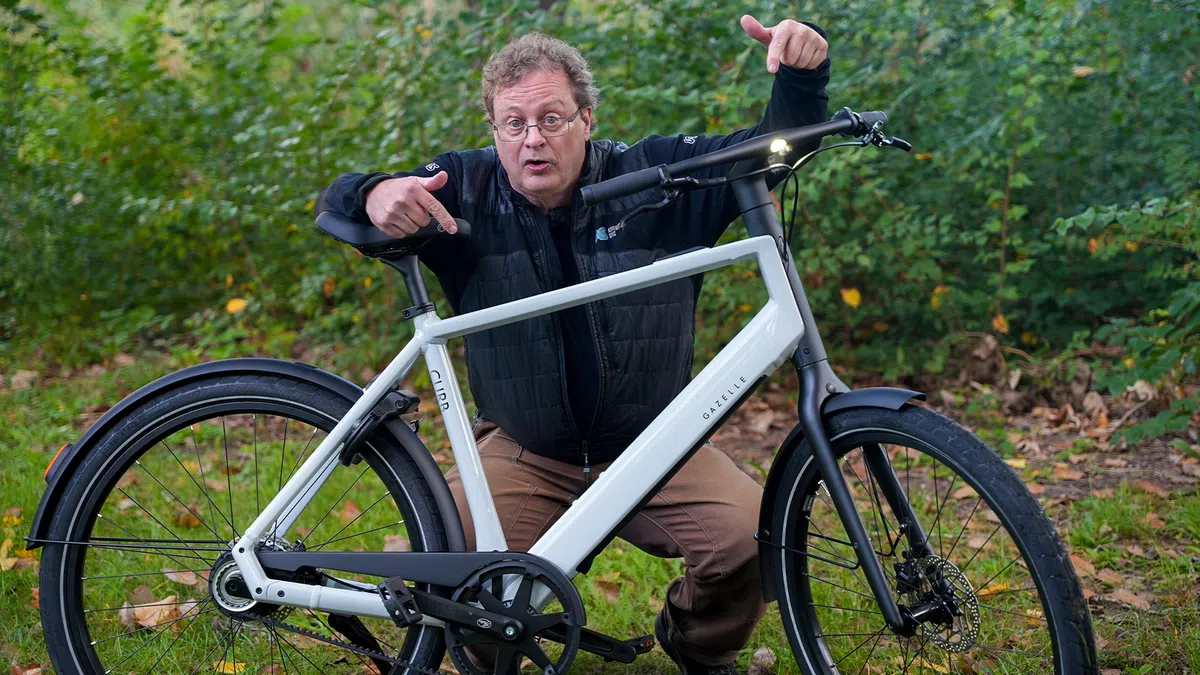
Innovative Gazelle Curb with Bosch Rear Wheel Motor
The Gazelle Curb C1 is a remarkable design e-bike that stands out due to its innovative technology. What makes this bike even more interesting is the integration of the first Bosch rear wheel motor. T...

Tech Festival
23 October 2026

Number of legal e-scooters in the Netherlands has tripled
The use of electric scooters in the Netherlands is growing exponentially, with recent figures showing a tripling of the number of approved vehicles. According to data from Stepjes.com, there are curre...
Tech Festival
23 October 2026

Strava introduces features for route variation
Strava comes with a number of new features that help users step away from their usual running routes. For many athletes, the repetitive nature of the same courses can become boring, and with these inn...
Tech Festival
23 October 2026