
Dilan Yesilgöz: AI in Political Communication

VVD leader Dilan Yesilgöz recently delivered a remarkable speech for Belgian liberals, which was entirely written using generative AI. This not only highlights the speed at which algorithms are penetrating political communication, but it also raises questions about transparency in light of the European AI regulation and the GDPR. Although Yesilgöz used an unknown AI system, her performance shows that technology can be utilized more versatilely in the political landscape.
The European AI regulation requires political parties to be transparent about the use of synthetic content. This also applies to AI-generated texts, for which parties must clearly indicate that the content is artificially generated. With the introduction of regulations in 2025, political advertisements will also need to meet stricter transparency requirements, such as disclosing sources and funding. This makes it necessary for political campaigns to adopt appropriate guidelines and ensure that personal data is processed lawfully.
However, there are risks associated with using AI in political communication, such as the possibility of "hallucinations" where AI generates incorrect facts. This emphasizes the need for rigorous fact-checking and source verification. Political parties must also be aware of potential biases that AI models adopt from existing texts. This requires human editing and clear guidelines on tone and inclusivity to prevent misrepresentation. Copyright is also an important concern, as AI can generate texts that resemble existing works too closely.
The implementation of AI in political communication requires a structured process, including clear responsibilities and transparency towards the public. It is crucial that political parties train their spokespersons and candidates to recognize errors and biases in AI-generated texts. With clear guidelines and a careful approach, organizations can leverage the benefits of technology without compromising credibility. Yesilgöz's recent speech is a sign of the normalization of AI in politics and points to the need for mature governance and transparency in the democratic process.
Read the full article from AI Insider.
Gerelateerde artikelen
OpenAI transforms coding tools into an always-on assistant
OpenAI has recently restructured its existing coding tools and transformed them into an innovative solution called 'dots', which acts as a constant personal assistant. Alexander Embiricos, the driving...

Tech Festival
27 October 2026
Reliability of Chinese AI at Stake
A recent incident has raised questions about the reliability of Chinese AI models. Cohere, an organization focused on artificial intelligence, has revealed that one of Alibaba's AI models, called Qwen...
Tech Festival
27 October 2026
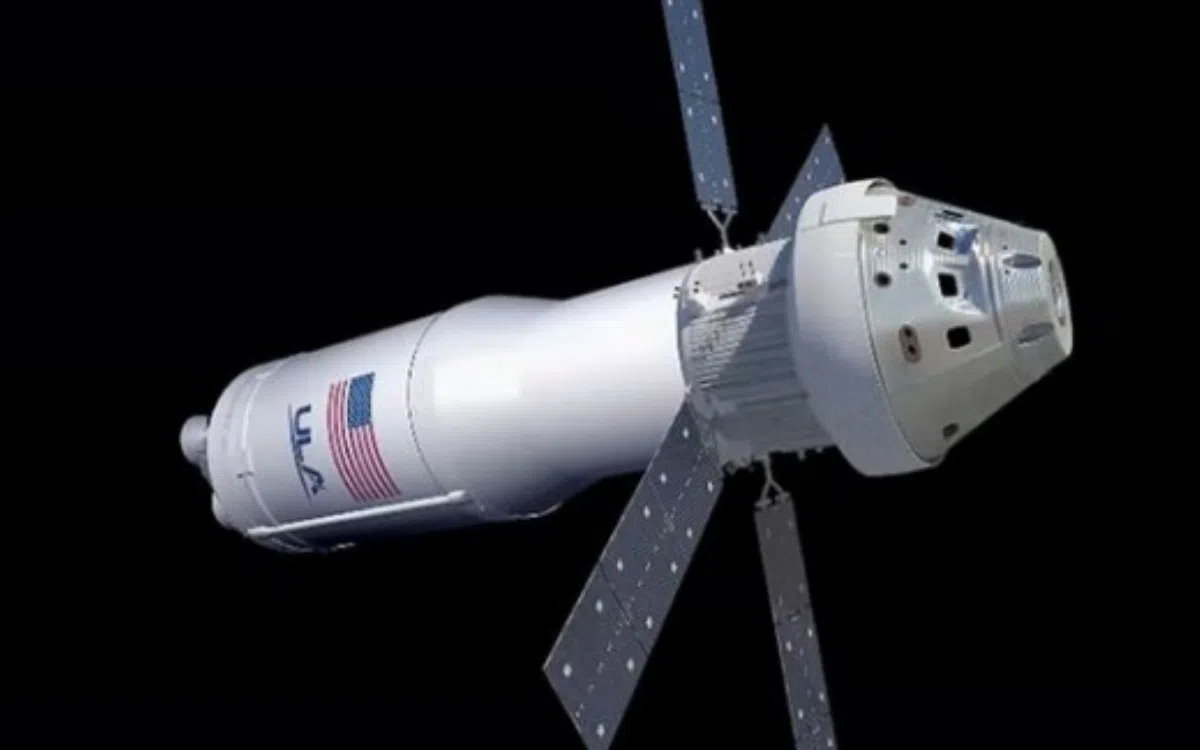
NASA modifies moon mission due to SpaceX and Blue Origin
NASA remains determined to return humans to the moon in 2028, but is facing delays in the development of the necessary lunar lander. This lander is crucial for the moon mission and the space agency is...
Tech Festival
26 October 2026