
Innovative layer extends lifespan of batteries
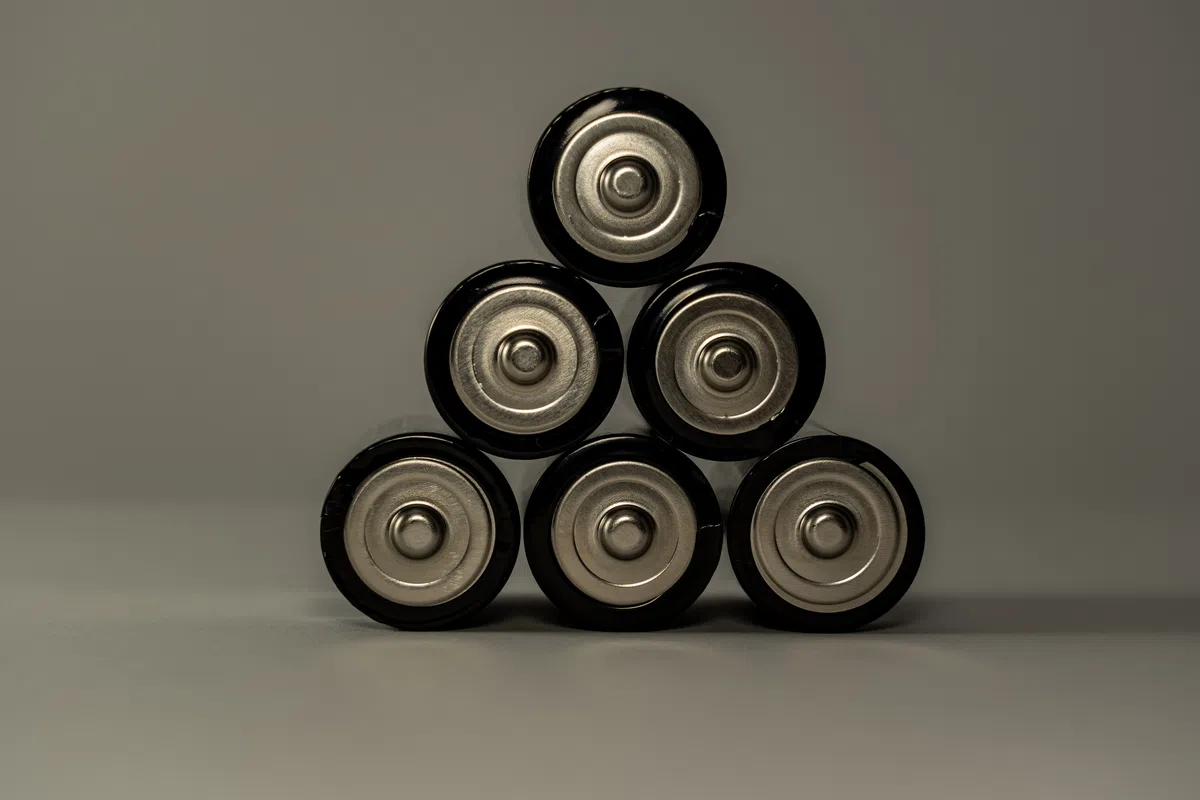
Researchers have developed a new additive that significantly reduces the wear of the graphite anode in lithium-ion batteries. This innovative layer ensures that the anode remains able to retain 95.6 percent of its capacity after 1,000 charge cycles. This development could have major implications for the lifespan of batteries used in numerous electronic devices.
The results come from extensive laboratory tests demonstrating the effectiveness of the additive. Reducing wear in the graphite anode can lead to significant improvements in battery technology performance, which is particularly important for the drive of electric vehicles and renewable energy systems. With the emergence of this technology, one can expect that batteries will not only last longer but also perform better.
The ability to slow down battery aging offers benefits not only for consumers but also for the environmental impact of battery waste. A longer lifespan means that new batteries need to be produced less frequently, resulting in reduced production waste and the ecological footprint of lithium-ion batteries.
The researchers are optimistic about the application of this technology in future battery design. Integrating this ultra-thin layer into existing lithium-ion batteries could transform how battery technologies are dimensioned. This presents opportunities for both innovations in product development and improvements in the efficiency of energy storage and distribution.
Read the full article from Bright.
Gerelateerde artikelen

OpenAI transforms coding tools into an always-on assistant
OpenAI has recently restructured its existing coding tools and transformed them into an innovative solution called 'dots', which acts as a constant personal assistant. Alexander Embiricos, the driving...

Tech Festival
27 October 2026
Reliability of Chinese AI at Stake
A recent incident has raised questions about the reliability of Chinese AI models. Cohere, an organization focused on artificial intelligence, has revealed that one of Alibaba's AI models, called Qwen...
Tech Festival
27 October 2026
NASA modifies moon mission due to SpaceX and Blue Origin
NASA remains determined to return humans to the moon in 2028, but is facing delays in the development of the necessary lunar lander. This lander is crucial for the moon mission and the space agency is...
Tech Festival
26 October 2026