
Is physics now also falling to AI after mathematics?
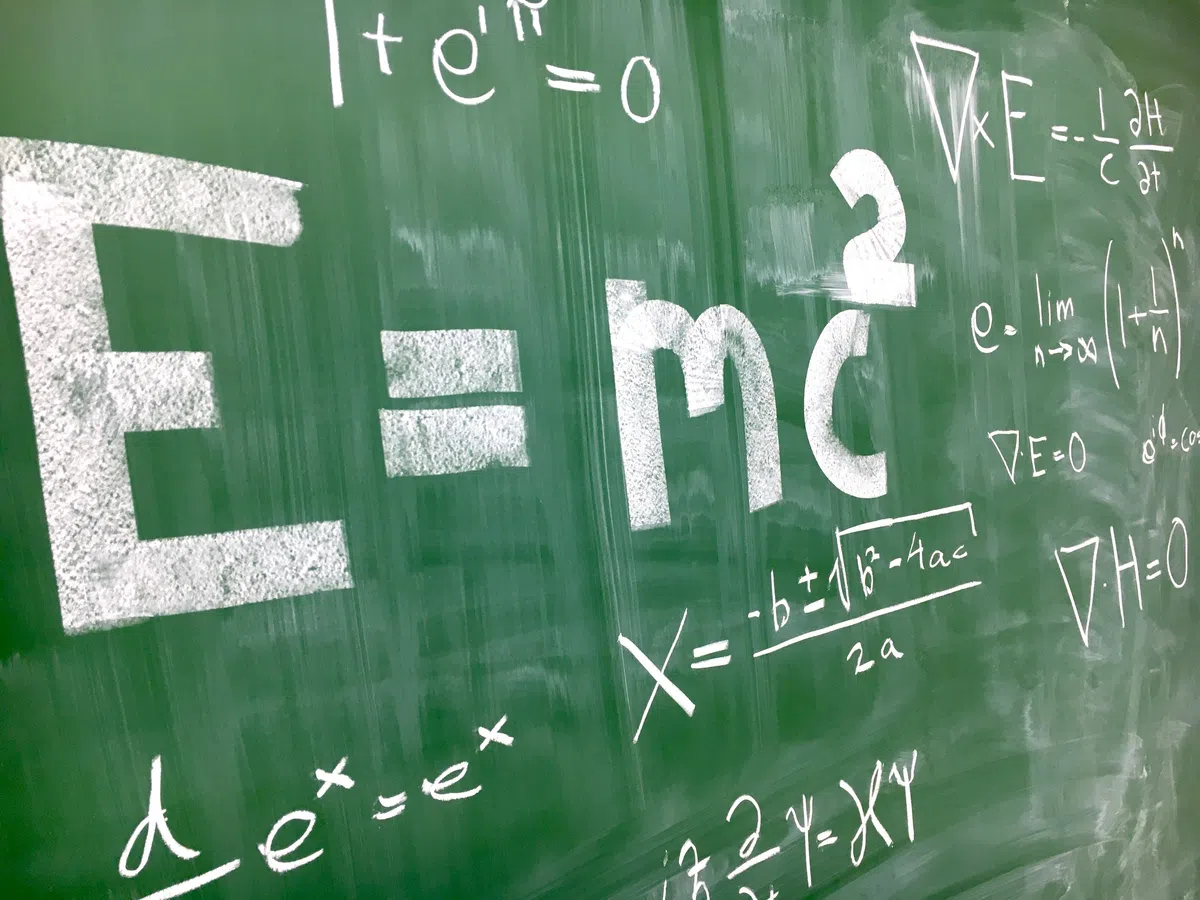
A recent AI model from OpenAI has achieved remarkable feats by solving no less than 49 out of 50 challenging research problems from theoretical physics. These problems were specially developed by physicists to test the capabilities of AI in their field. The results of this test turned out to be so impressive that they raise new questions about the role of artificial intelligence within science.
It is notable that the test itself was already considered outdated before it was even widely adopted. This raises questions about the timeliness and relevance of the problems used, given the pace of developments within AI. The rapidly growing capabilities of AI technologies have previously surprised scientists and researchers, and it seems that the results of this specific model only confirm this trend.
The implications of such breakthroughs are significant. When AI is able to solve problems that were once considered complex and unsolvable, it changes the playing field for researchers and scientists. This could allow them to focus more on more complex questions and hypotheses, rather than spending time on previously unsolvable problems. This could significantly accelerate progress within physics and other scientific disciplines.
The national and international scientific communities will undoubtedly have to consider the place of AI in their research, and how this technology can be integrated into future studies. These developments are not only relevant for theoretical physics but may also impact a wide range of other disciplines, leaving the question of how AI could further enrich our understanding of the laws of nature.
Read the full article from Bright.
Gerelateerde artikelen

New Rules for Drone Flying in Amsterdam
Today, the new rules for flying drones in the Netherlands have come into effect. The anticipated change concerns the reduction of no-fly zones around airports. The announcement of the exact size of th...

Tech Festival
26 November 2026

Nvidia stops chip deliveries to Southeast Asia
Nvidia has instructed its manufacturing partners to temporarily suspend the shipment of server chips to Malaysia, Singapore, Thailand, and Indonesia. This decision comes in response to the recent tigh...
Tech Festival
26 November 2026
Is Alice Huang a spy or not?
The recent scandals surrounding Nvidia have led to allegations that Alice Huang, former executive at Megaspeed, may be a spy. At the core of the allegations is her alleged relationship with Nvidia's C...
Tech Festival
26 November 2026