
New technology reveals earliest galaxies
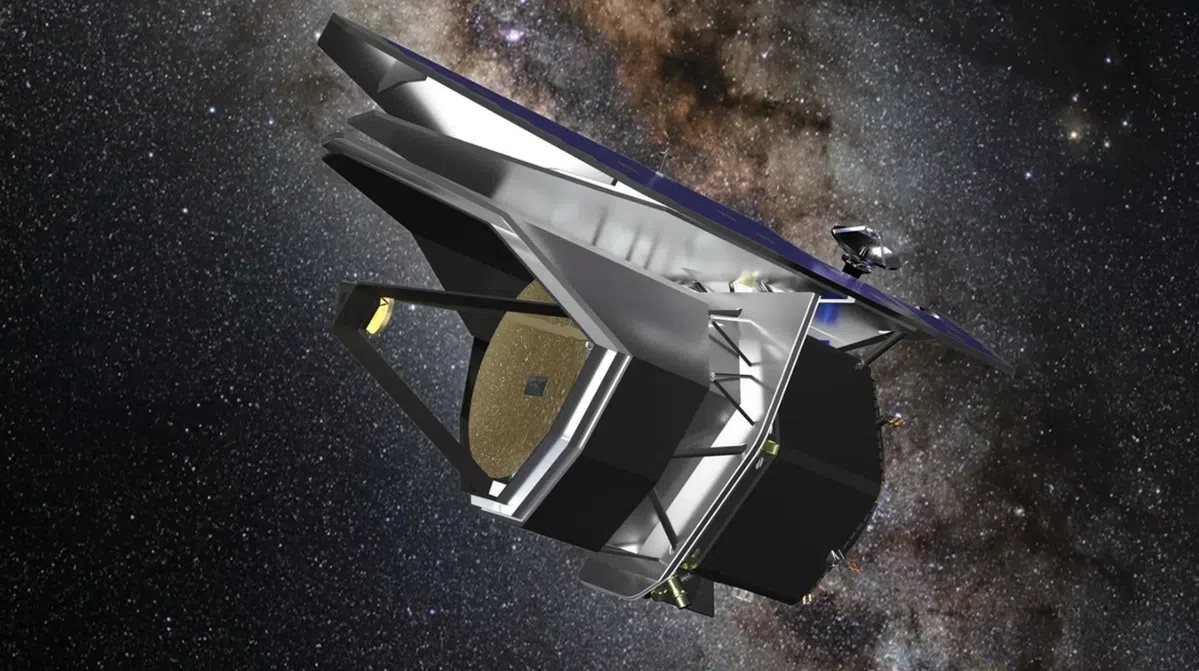
Nasa has ambitious plans to study the universe in far-infrared light using the PRIMA space telescope. This type of thermal radiation offers astronomers the opportunity to explore areas that were previously hardly observable. The research focuses specifically on the earliest galaxies, which may be crucial for understanding the evolution of the universe.
Various Dutch institutions are involved in this project, including the University of Groningen (RUG) and the space research institute SRON. In addition, Delft University of Technology (TU Delft) plays an important role in the development of essential components for the telescope's main camera. This collaboration strengthens the position of the Netherlands in the world of space science.
The PRIMA telescope will be equipped with advanced technologies to capture light in the far-infrared spectrum, which has so far been a major challenge for scientists. With the improved detection methods resulting from this collaboration, experts expect to be better able to study the formation and evolution of galaxies. This also provides new insights into the formation of galaxies in the early universe.
The deployment of this technology can not only contribute to scientific breakthroughs but also further enhance the international competitiveness of the Netherlands in the field of space research. The project illustrates how collective efforts of academic and research institutions can lead to significant advances in knowledge and technology within astronomy.
Read the full article from Bright.
Gerelateerde artikelen
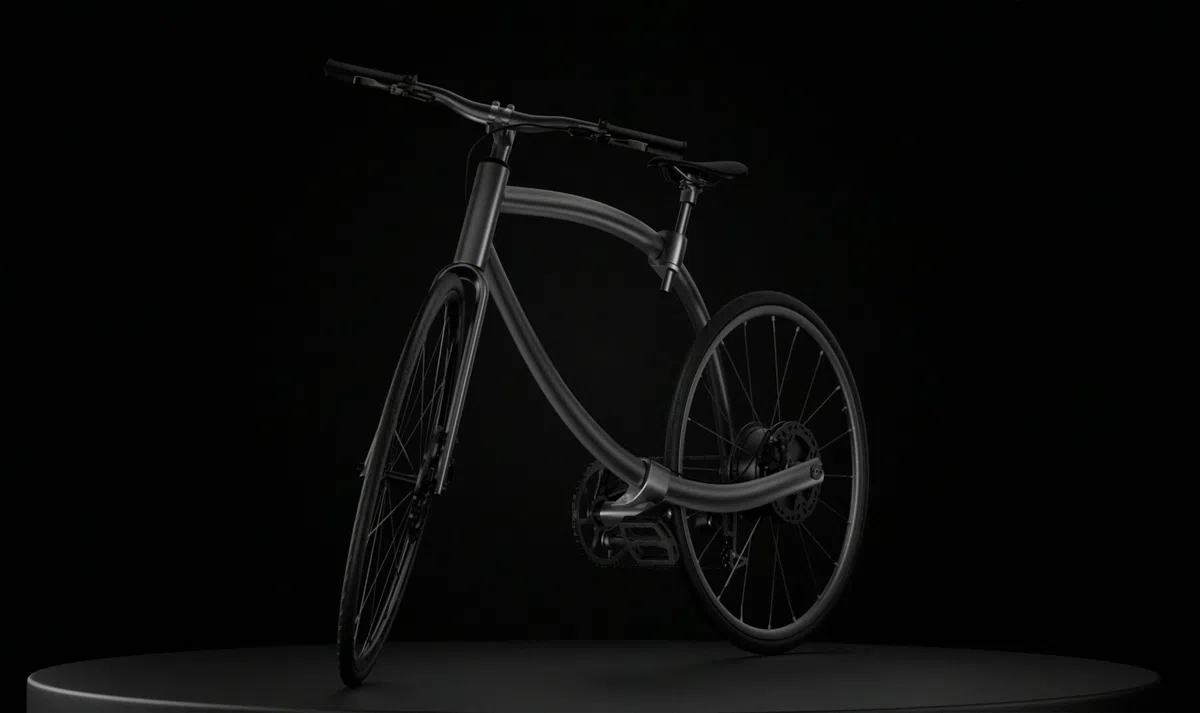
Innovative frame design of Novbyx e-bike
The construction of bicycle frames has largely remained unchanged over the years, with welding being the usual method for connecting tubes and rods. However, the Novbyx team has applied an *innovative...

Tech Festival
25 September 2026

White House requests delay AISI, Anthropic restricts access
The White House has asked OpenAI and Anthropic to share new AI models only after evaluation by U.S. agencies with the AI Safety Institute (AISI) in the United Kingdom. This request stems from the Offi...
Tech Festival
25 September 2026
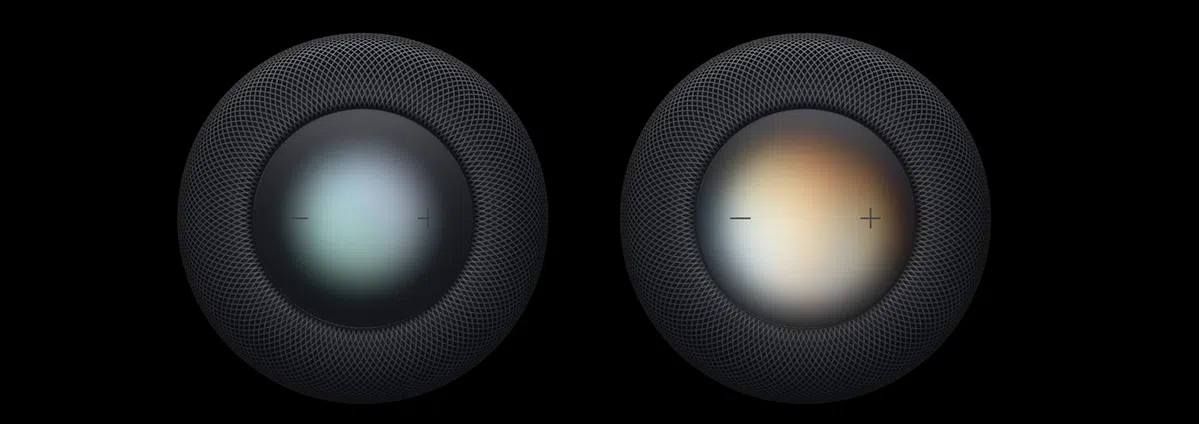
New Siri AI for HomePod announced
The long-awaited updated version of Siri AI is not yet available, but recently analyzed code reveals that this technology has already been integrated into the software of the HomePod. This discovery,...
Tech Festival
25 September 2026