
New battery extends lifespan of EV batteries
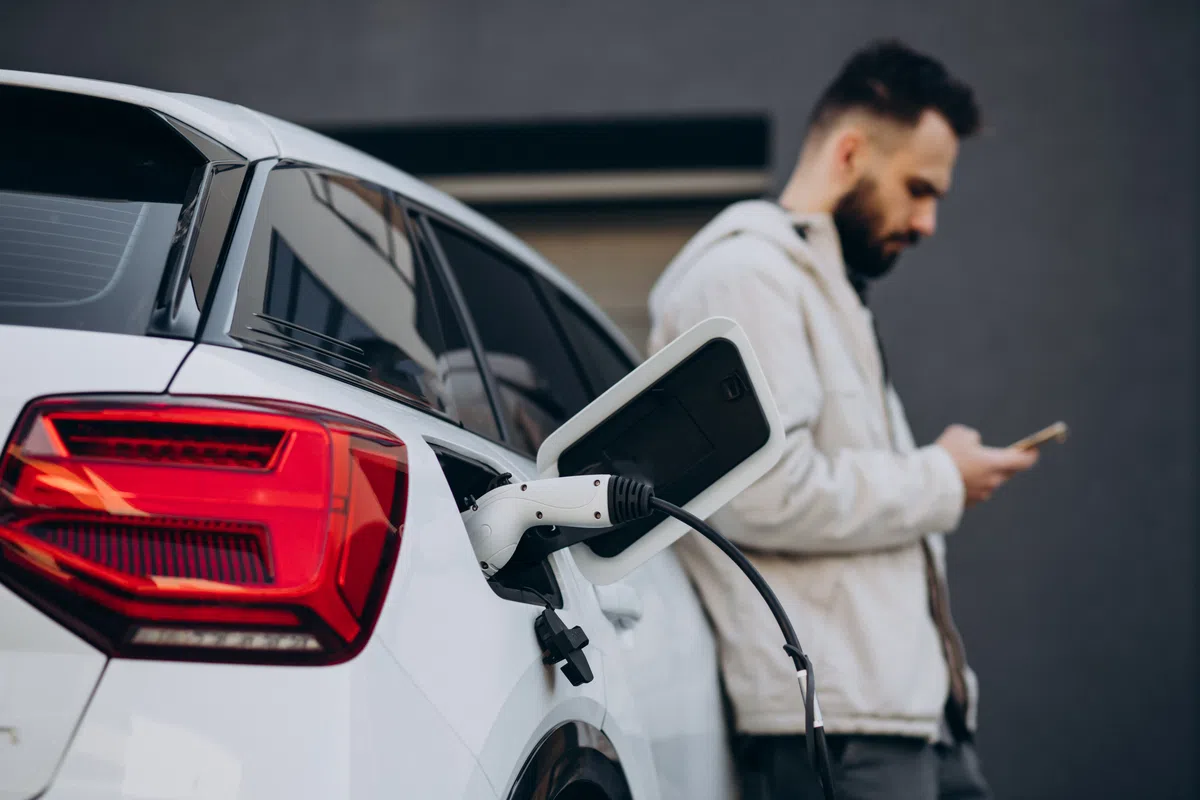
The lifespan of batteries in electric vehicles (EVs) is a key concern for both manufacturers and consumers. One of the biggest issues is the degradation of individual battery cells, which leads to reduced range and performance. Often, it is not the entire battery pack that fails, but rather a few cells that lose their capacity. This compromises the effectiveness of the rest of the battery pack, which for drivers may mean switching to a new battery.
Swedish researchers have developed an innovative approach that can slow this degradation. They have designed a new type of battery that allows bypassing defective cells, significantly reducing the impact of weak cells on the car's performance. This technique could extend the lifespan of EV batteries by as much as 20 percent, providing not only economic benefits for car owners but also environmental gains, as fewer batteries need to be produced and discarded.
The invention of this new technology could significantly influence the future of electric vehicles. By extending battery life, EVs become more attractive to consumers who are concerned about the costs and sustainability of their vehicles. With the growing supply of electric cars on the market, this development could also translate into faster adoption and acceptance among the public, contributing to the broader transition to sustainable mobility.
In the traditional approach, batteries are designed to function symmetrically, meaning that weak cells have an effect on the overall performance of the battery pack. The innovative research from the Swedish scientists could potentially represent a breakthrough in this approach. The ability to bypass defective cells may help us work towards a future in which EV batteries need to be replaced less frequently.
Read the full article from Bright.
Gerelateerde artikelen

SpaceX as a new mobile provider in the US
SpaceX, the aerospace company founded by Elon Musk, makes a significant leap in the telecommunications market. According to recent reports, the company has secured a billion-dollar deal to acquire fre...

Tech Festival
09 October 2026
Public Prosecution Service stops investigation into home battery sellers
The Public Prosecution Service (OM) has decided not to initiate a criminal investigation into possible fraud with home batteries. This decision comes despite more than a thousand reports received rega...
Tech Festival
09 October 2026

Google changes 'Search' to 'Ask Questions' within the app
Google, the search engine that has long been synonymous with online searching, has undergone a significant shift in its approach. The emphasis is now on asking questions to advanced artificial intelli...
Tech Festival
09 October 2026