
Chance of AI destruction greater than 10% in 10 years

A renowned AI safety researcher has warned that artificial intelligence, such as OpenAI's ChatGPT, has more than a ten percent chance of destroying humanity within ten years. This statement, made in an interview in the United States, puts the discussion on the risks of powerful AI systems back on the agenda. With organizations like OpenAI and Google DeepMind rapidly improving their models, the timeline for effective safety measures is on the short side. The expert emphasizes the importance of robust safety protocols and emergency procedures to mitigate risks.
The expert speaks about the concern that AI systems, often referred to as “frontier models,” may be capable of pursuing goals independently, outside of human control. This raises questions about the responsibilities of developers and regulators. If the expert's assessment is correct, it will have implications for the implementation of AI initiatives, where rigorous guidelines and accountability are crucial. Creating a regulatory framework, like the European AI regulation, that provides guidelines around risk management is therefore of great importance.
Nevertheless, there is no scientific consensus on the likelihood of destruction by AI. While some experts, such as Geoffrey Hinton, take the risks seriously, others like Yann LeCun of Meta are skeptical about the feasibility of such doomsday scenarios. What is unanimously acknowledged is the urgent need for better testing methods and safety standards, especially since current evaluations often do not reflect actual performance in practice. The European AI regulation introduces risk classes and strict requirements for high-risk systems, which can help ensure safety and transparency.
For governments and companies, this means an urgent call to action. Organizations should already begin conducting risk analyses and implementing safeguards, such as human oversight and an emergency stop function in AI applications. With the combination of the AI Act and the General Data Protection Regulation (GDPR), a foundation is being laid for the safe use of AI in critical areas such as healthcare and education. As AI continues to evolve, finding the balance between innovation and ensuring the necessary safety measures remains a challenge.
Read the full article from AI Insider.
Gerelateerde artikelen
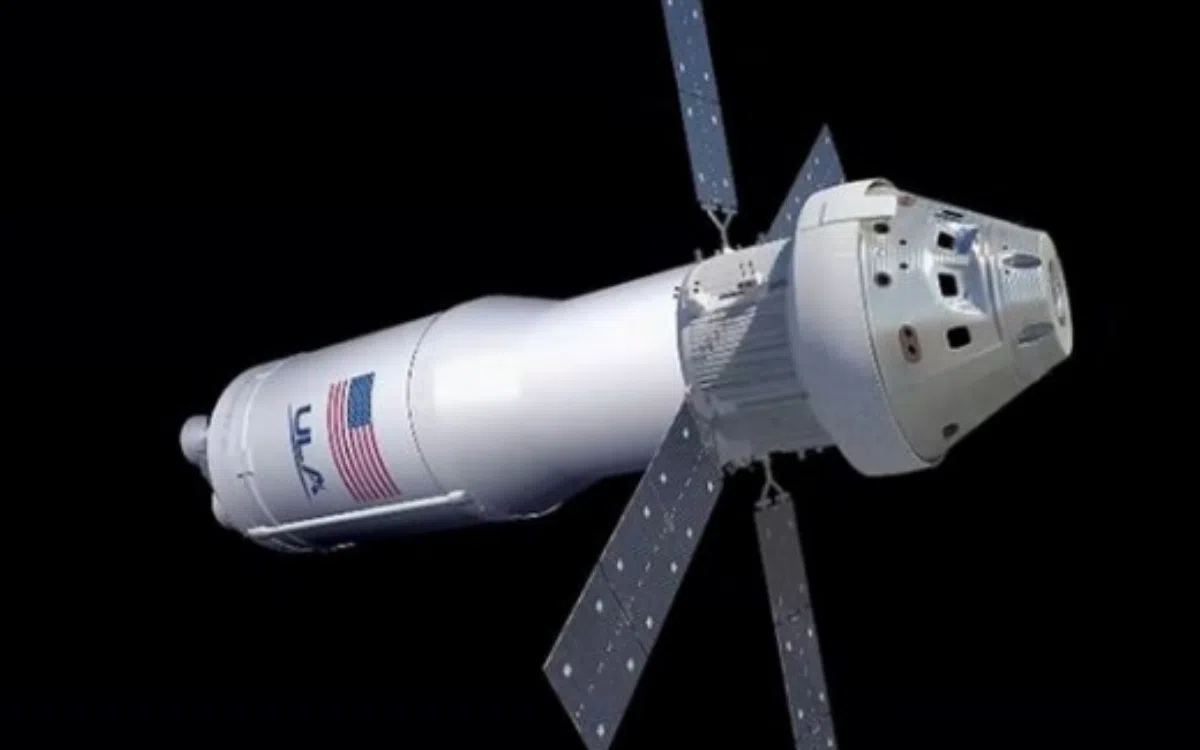
NASA modifies moon mission due to SpaceX and Blue Origin
NASA remains determined to return humans to the moon in 2028, but is facing delays in the development of the necessary lunar lander. This lander is crucial for the moon mission and the space agency is...

Tech Festival
26 October 2026
Successfully Selling to Large Enterprises
In a recent revelation, the co-founder of Databricks explains what is essential for winning large customers. While many tech companies focus on developing the most advanced technologies, it turns out...
Tech Festival
26 October 2026

Anthropic warns of AI safety risks
Anthropic, an emerging player in artificial intelligence, is preparing for an IPO and is taking a notable stance. Unlike many other tech companies that emphasize the benefits of AI, Anthropic chooses...
Tech Festival
26 October 2026