
AI in Healthcare: Improvements in Breast Cancer Treatment
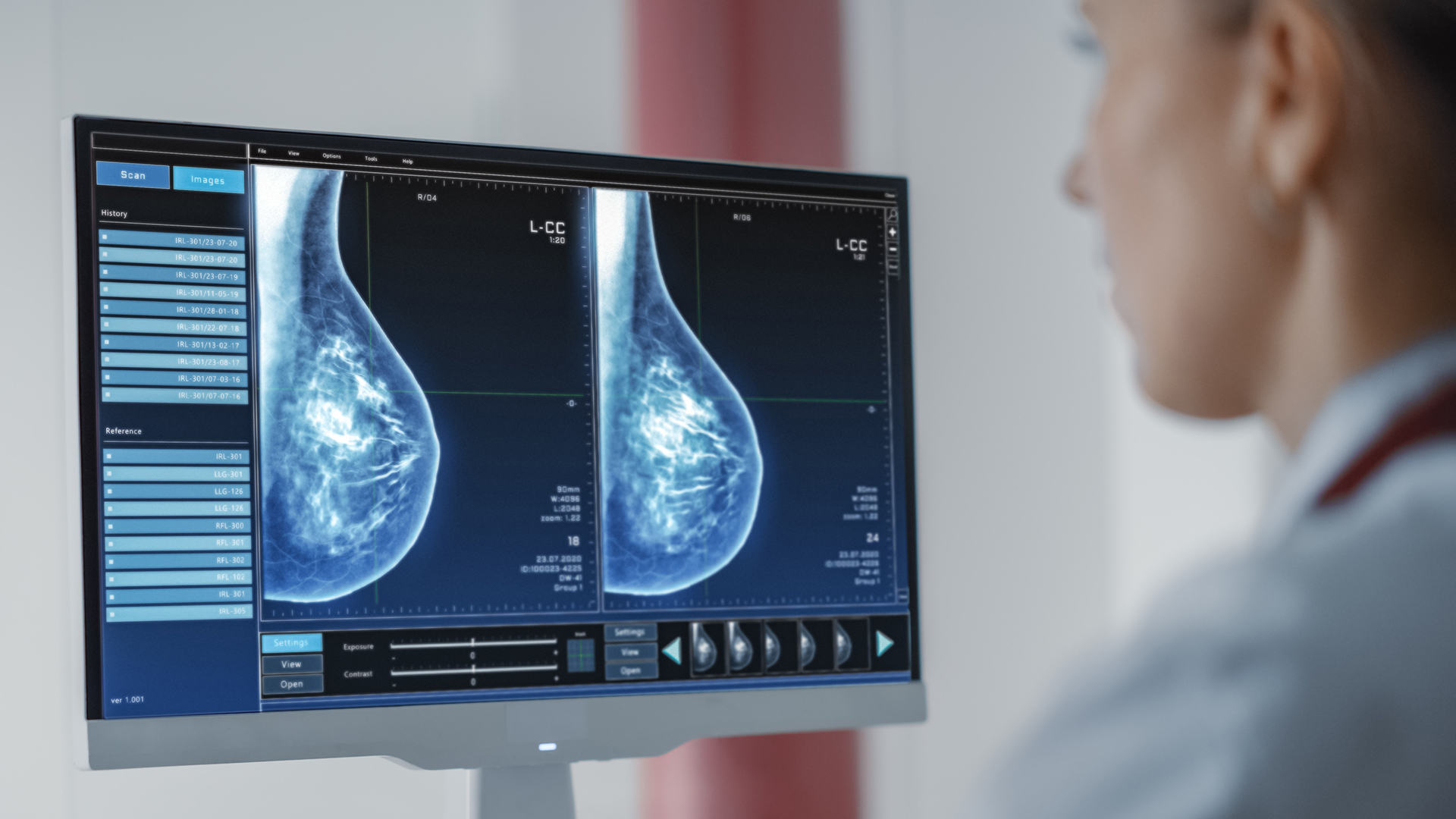
Breast cancer is the most common cancer among American women, but the care surrounding this disease exhibits significant gaps. Many women over 40 forego the recommended annual screening, and radiologists face increasing workloads due to a shortage of professionals. This leads to delays in diagnostic tests that are necessary for treatment decisions, which can take weeks. Companies participating in the NVIDIA Inception program are developing smart AI applications that support healthcare providers in these challenges, from imaging to risk assessment and treatment plans.
One of the game-changing innovations is offered by iSono Health, which has developed the ATUSA platform. This FDA-approved, portable 3D quantitative ultrasound system enables a standardized image of the breast to be captured in just two minutes. This is a huge time saving compared to the traditional method, which can take up to 45 minutes. The AI of ATUSA, trained on millions of ultrasound frames, increases the sensitivity for detecting abnormalities by 28% compared to conventional ultrasound. This provides a consistent basis for comparison in follow-up examinations.
Additionally, Whiterabbit.ai is developing advanced AI technology to improve mammography screening. Their WRDensity software, which automatically assesses breast density, and WRRisk, which estimates the risk of developing breast cancer, are intended to reduce the workload of radiologists and deliver results faster. By automating these processes, Whiterabbit.ai hopes to lower both diagnostic accuracy and costs. Ataraxis AI focuses on predicting treatment effects by analyzing digital data, which is crucial for oncologists' treatment decisions.
Another notable venture, SimBioSys, is developing AI-driven technology for precision medicine, creating 3D models of tumors and analyzing information that can influence treatment decisions. The ability to integrate various data types, such as imaging and pathology results, allows them to gain new insights that go beyond what each individual piece can offer. The deployment of NVIDIA technology provides them with the computational power to process massive data quickly, which is essential for timely medical decisions.
Read the full article from Nvidia.
Gerelateerde artikelen
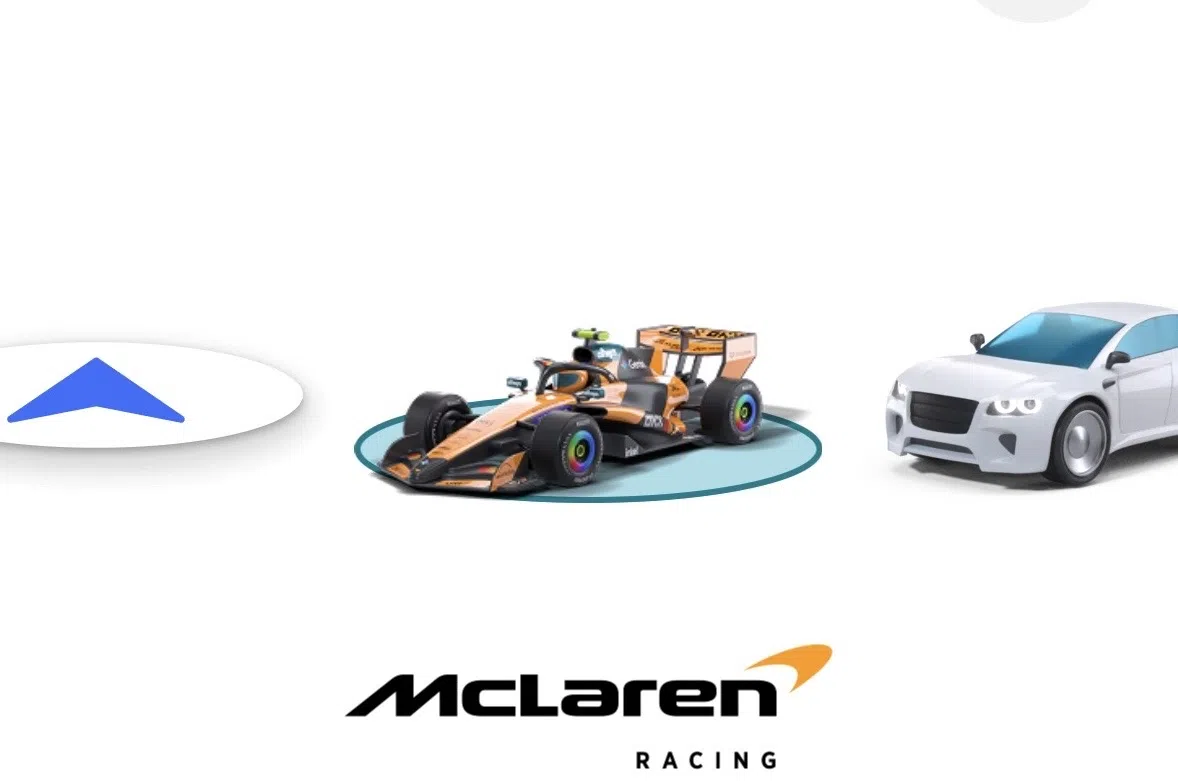
Google Maps introduces McLaren F1 car as navigation icon
Google Maps, the popular navigation app from Google, has recently made a striking change to its interface. Instead of the usual boring blue arrow, users can now choose an iconic McLaren F1 car as thei...

Tech Festival
05 October 2026

New option next to iDeal/Wero during checkout
Online stores will soon be able to use a new payment option alongside the well-known systems iDeal and Wero. This development not only offers a refreshing experience for consumers but also advantages...
Tech Festival
05 October 2026
AI Pay Gap: Digital Women Earn Less
Recent research indicates that the pay gap phenomenon also manifests in the digital world. The study shows that female AI assistants, despite performing the same tasks, are paid significantly less tha...
Tech Festival
05 October 2026