
Fusion startups and government: shares for support?

Fusion startups are currently facing a dilemma unrelated to plasma physics: the choice to give shares to the government in exchange for financial support or to continue independently. This approach could help startups obtain the much-needed funding for their ambitious projects, but it also raises concerns about ownership and future success.
The government has contributed to the development of various technologies and fundamental research. Now, these startups want to leverage this experience and resources, but at a cost. The idea is that by issuing a percentage of their shares, they not only receive a financial boost but also tap into the expertise of the government. However, this could potentially result in a conflict between corporate interests and government goals, undermining the independence of the startups.
This situation raises questions about the feasibility and desirability of this interdependence. Can the collaboration between private initiatives and the government truly lead to faster and more effective development of fusion energy? Or will it be prone to bureaucratic delays and requirements that hinder innovation? It is crucial that the opportunity to innovate is not lost in the administrative machinery of the government.
As the search for sustainable energy solutions becomes increasingly urgent, it is important for all players in the field to be aware of the potential advantages and disadvantages of these deals. The future of fusion energy may benefit from a careful balance between government support and the independence of startups, but the choices made now will significantly impact their success and the sector as a whole.
Read the full article from Techcrunch.
Gerelateerde artikelen
OpenAI transforms coding tools into an always-on assistant
OpenAI has recently restructured its existing coding tools and transformed them into an innovative solution called 'dots', which acts as a constant personal assistant. Alexander Embiricos, the driving...

Tech Festival
27 October 2026
Reliability of Chinese AI at Stake
A recent incident has raised questions about the reliability of Chinese AI models. Cohere, an organization focused on artificial intelligence, has revealed that one of Alibaba's AI models, called Qwen...
Tech Festival
27 October 2026
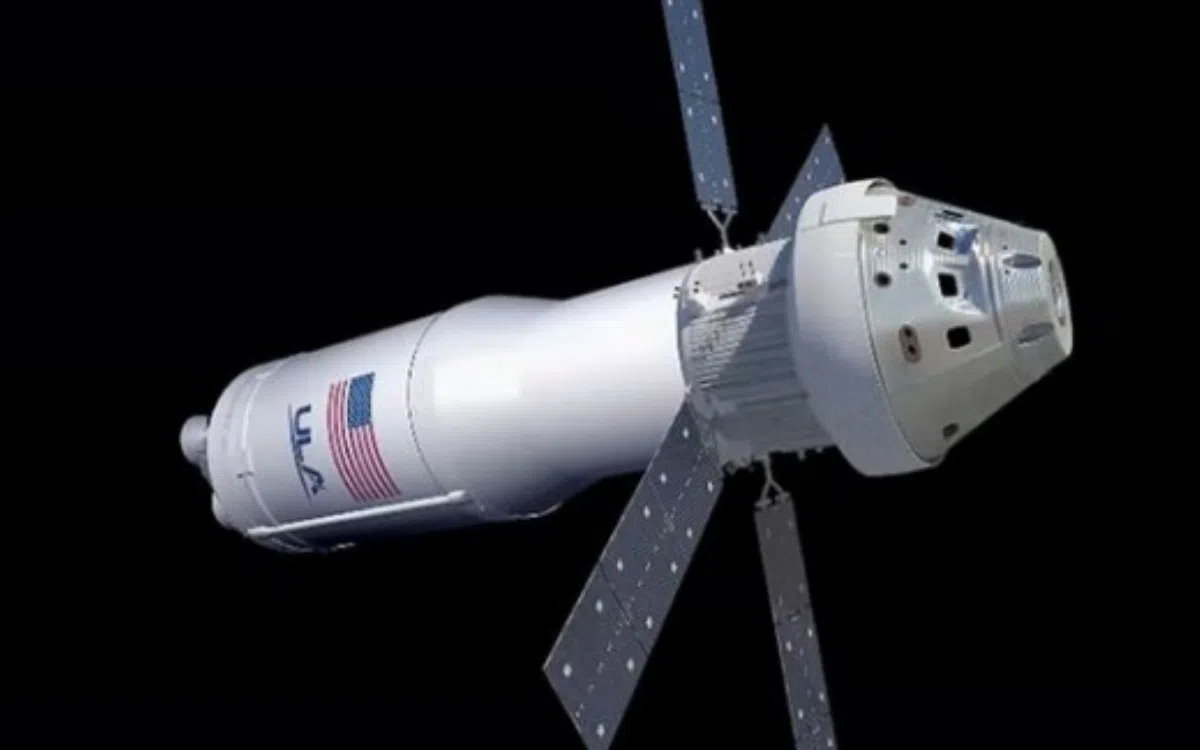
NASA modifies moon mission due to SpaceX and Blue Origin
NASA remains determined to return humans to the moon in 2028, but is facing delays in the development of the necessary lunar lander. This lander is crucial for the moon mission and the space agency is...
Tech Festival
26 October 2026