
Professor advocates for AI in mental health care

A Dutch professor of psychiatry has advocated for the application of generative AI, such as ChatGPT from OpenAI, as a supplement to mental health care (GGZ). Due to the high number of people waiting and the limited availability of mental support, AI can play a valuable role in providing accessible, safe assistance, available 24/7 for those struggling with mental health issues. This system could serve as the first step in contacting care.
Generative AI enables individuals to talk about their issues more quickly through direct interaction with chatbots. These digital conversation partners can provide psychoeducation, thereby helping clarify feelings, making it easier to seek professional help. ChatGPT, Wysa, and Woebot Health are some examples that also incorporate elements of cognitive behavioral therapy, which helps prepare patients better for consultations with therapists.
However, the use of AI in mental health care also poses risks. Errors or incorrect information, often referred to as 'hallucinations', can be harmful to users, highlighting the need for strict safety protocols and transparency. The European AI regulation (AI Act) will categorize mental health applications as high risk, imposing stringent requirements for data handling and risk management. This underscores the necessity for clear responsibilities towards patients and clear guidelines for care providers.
Independent research will also be needed to determine the effectiveness of AI tools in mental health care. Randomized studies are essential to assess the extent to which applications like ChatGPT actually contribute to reducing mental health complaints. Key points here include collecting data on user experience, dropout rates, and any adverse side effects among different target groups, which will help increase the acceptance of AI in care. Until then, the focus on AI should be clear: it can facilitate access to help, but human oversight must be maintained, within the frameworks of European and Dutch legislation.
Read the full article from AI Insider.
Gerelateerde artikelen

China shifts focus in the AI race
The AI industry in China is undergoing a notable shift in focus, moving from developing larger AI models and utilizing more computing power to creating AI agents that can perform specific tasks. This...

Tech Festival
13 September 2026
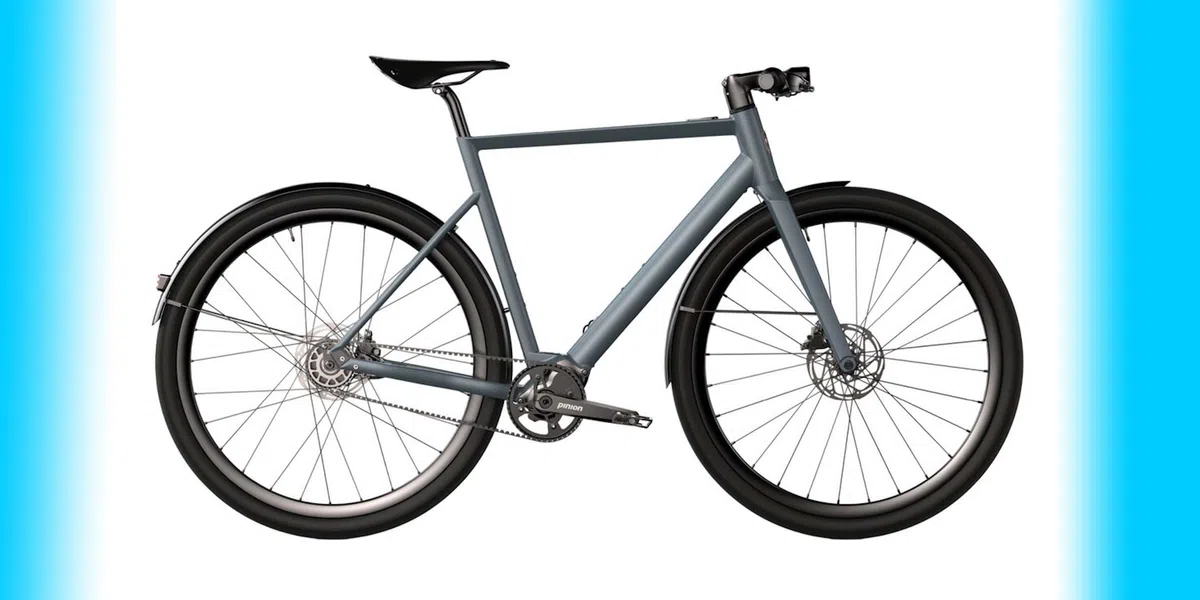
Spanish e-bike with unique gears
The Desiknio Dopamine is an innovative e-bike that stands out due to its unique gearing system. Unlike most electric bikes, which place the gears in the traditional location, this Spanish e-bike has i...
Tech Festival
13 September 2026

Will this be your new computer mouse?
An innovative computer mouse has been launched on Kickstarter that deviates from traditional designs. The device has the shape of a pen resting in a holder, and the functionalities of the buttons vary...
Tech Festival
13 September 2026