
AI Improves Care Processes for Patients
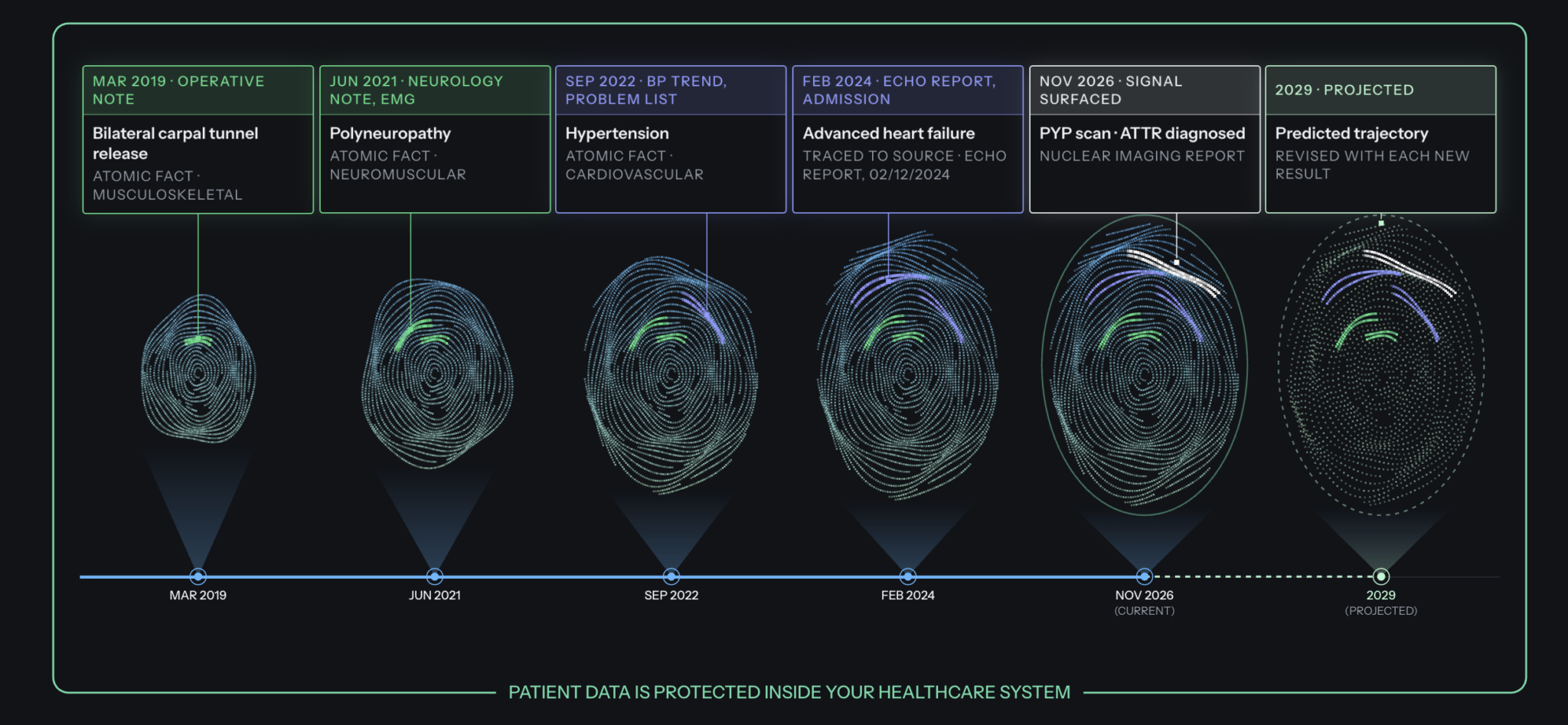
Artificial intelligence (AI) plays an increasingly important role in healthcare by enabling care teams to reduce routine tasks and spend more time with patients. From research projects in pediatrics to smart hospitals, AI is being utilized by healthcare systems and startups to match patients with clinical trials and to support radiologists, hospital staff, and patients at home. Clinicians remain central, guiding the assessment and decisions based on AI outcomes, while NVIDIA technologies provide the necessary computing power.
Dyania Health, a clinical AI company from New Jersey, has developed Synapsis AI, a clinical reasoning engine that can navigate through decades of patient records, primarily consisting of free text such as reports from doctors, surgeries, and imaging. This technology enables care teams to identify relevant clinical signals by linking data over the years and answering questions as a specialist would. Clinicians are responsible for the final decisions while using data from Synapsis AI.
Synapsis AI runs on NVIDIA-accelerated systems within the walls of the hospital, meaning that patient data never leaves the hospital. This approach reduces the workload for clinicians, allowing them to spend more time on patient care. However, the system requires clinical input and acts as an assistant that brings relevant information from medical records to the forefront. Dyania builds its clinical models with NVIDIA NeMo open libraries and optimizes them for efficient use on the hospital's GPU servers.
A notable example of Synapsis AI in practice is the Cleveland Clinic's research involving over 7,800 patients who underwent aortic valve replacements between 2005 and 2021. Synapsis AI analyzed each patient record, including echocardiograms, to develop a predictive model for valve deterioration. This process, which would otherwise require years of manual chart review, provides valuable insights for improved patient care. The application of this technology can also address other healthcare challenges, such as identifying patients for clinical trials and bridging gaps in care in cardiology and oncology.
Read the full article from Nvidia.
Gerelateerde artikelen

Amazon introduces the Kindle Colorsoft, a premium e-reader
Amazon has presented the latest edition of its popular Kindle Colorsoft, which is not only lighter and thinner than the previous model but also features a bezel-less display. These innovations make th...

Tech Festival
13 November 2026
Impact of Jensen Huang's departure on AI startup funding
The recent departure of Jensen Huang, the CEO of Nvidia, has significant implications for the funding opportunities of AI startups. Under his leadership, Nvidia invested tens of billions into this seg...
Tech Festival
13 November 2026
FAA suspends all domestic flights
The Federal Aviation Administration (FAA) has suspended all domestic flights in the United States due to communication issues affecting multiple air traffic control centers. A spokesperson for the FAA...
Tech Festival
13 November 2026