
Power Consumption of AI and the Future of Data Centers
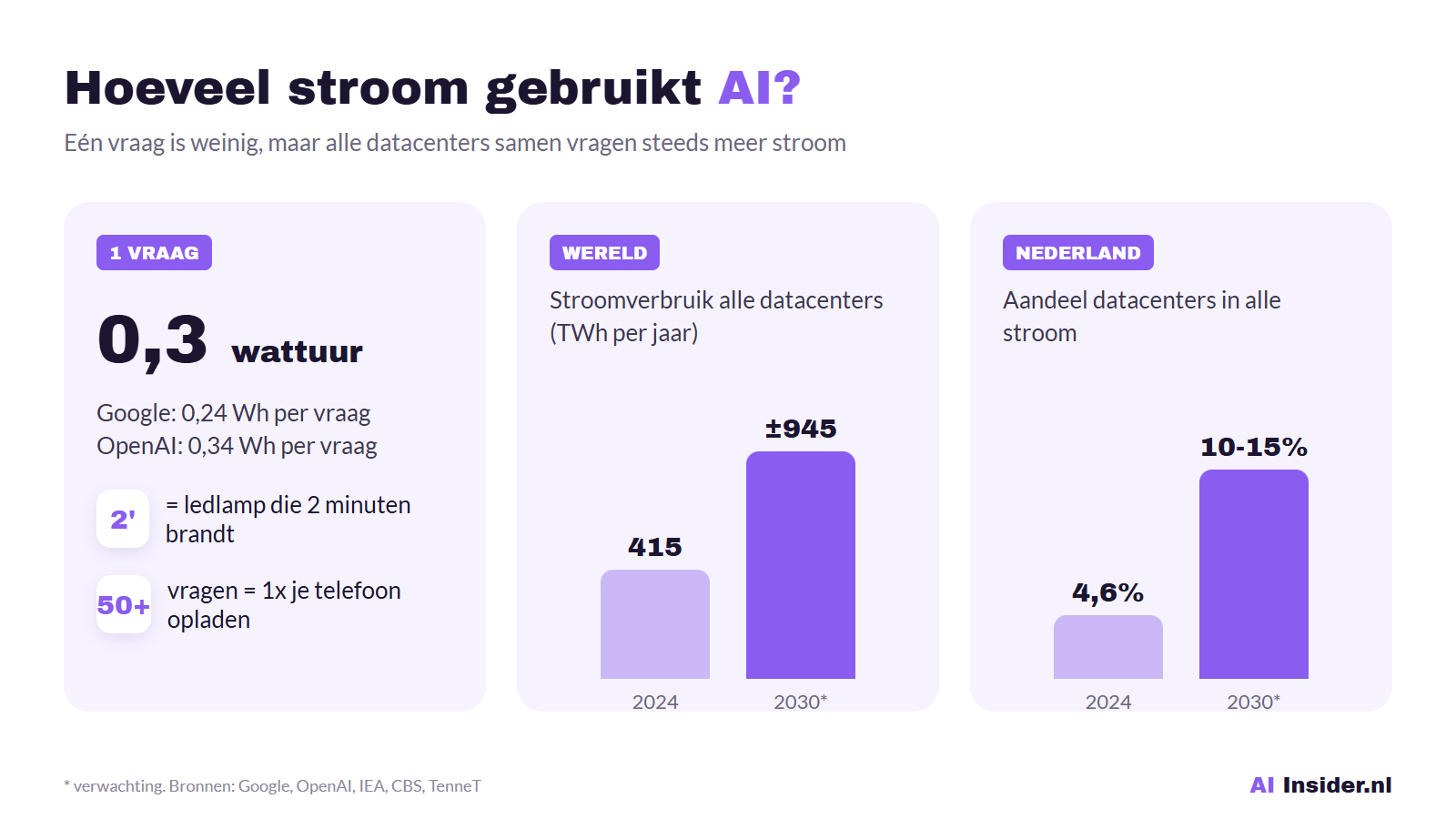
The demand for the power consumption of AI, such as when using ChatGPT, proves to be less rosy than expected. One question to the chatbot costs only about one-third watt-hour, which corresponds to the energy consumption of an LED lamp for two minutes. This seems little at first glance, but the reality goes further. Tech companies are building data centers that consume so much energy that they need to activate complete nuclear power plants to meet their needs.
The electricity costs for AI tools heavily depend on the nature of the requests. Shorter questions are less energy-intensive than extensive reports or complex analyses. However, the usual servers in data centers draw much more energy. A single server rack with modern AI chips from Nvidia can consume up to 120 kilowatts, which requires as much energy as simultaneously powering hundreds of households. Combined with the large number of questions being asked at the same time, the energy consumption of AI is substantial, with figures predicting a troubling increase. In 2024, data centers worldwide consumed about 415 terawatt-hours of electricity, and the IEA predicts this could rise to 945 terawatt-hours by 2030, largely driven by AI.
In the struggle for sufficient energy supply, tech companies are increasingly opting for nuclear power. For example, Microsoft has made a deal to purchase power from a reactor near Three Mile Island for the next two decades, while Amazon is building a data center campus near a nuclear power station. This choice is attractive because nuclear power offers a constant power supply without CO2 emissions. However, this is complicated by the limitations of existing energy networks, which are already full in many regions. In the Netherlands, data centers currently use 4.6 percent of the total electricity supply, equivalent to the energy consumption of nearly two million households. This share could rise in the future to 10 or even 15 percent.
The growth of AI and the resulting power demand raises new questions about energy supply in the Netherlands. Grid operator TenneT has already announced significant delays in connecting new energy demands to the grid. All of this leads to the inevitable question of where the required power should come from and how to prioritize the various consumers in an increasingly crowded energy grid.
Read the full article from AI Insider.
Gerelateerde artikelen

Minimizing Unsolicited Calls for Freelancers
For freelancers, it is inevitable to share their phone number with clients and stakeholders. This often happens through websites, quotes, and business registrations such as the Chamber of Commerce. Th...

Tech Festival
27 November 2026

Smart photo frames for every household
Smart photo frames are gaining popularity and provide an attractive option for a wide range of users. In particular, elderly people and children often enjoy these devices, but they can also be a valua...
Tech Festival
27 November 2026
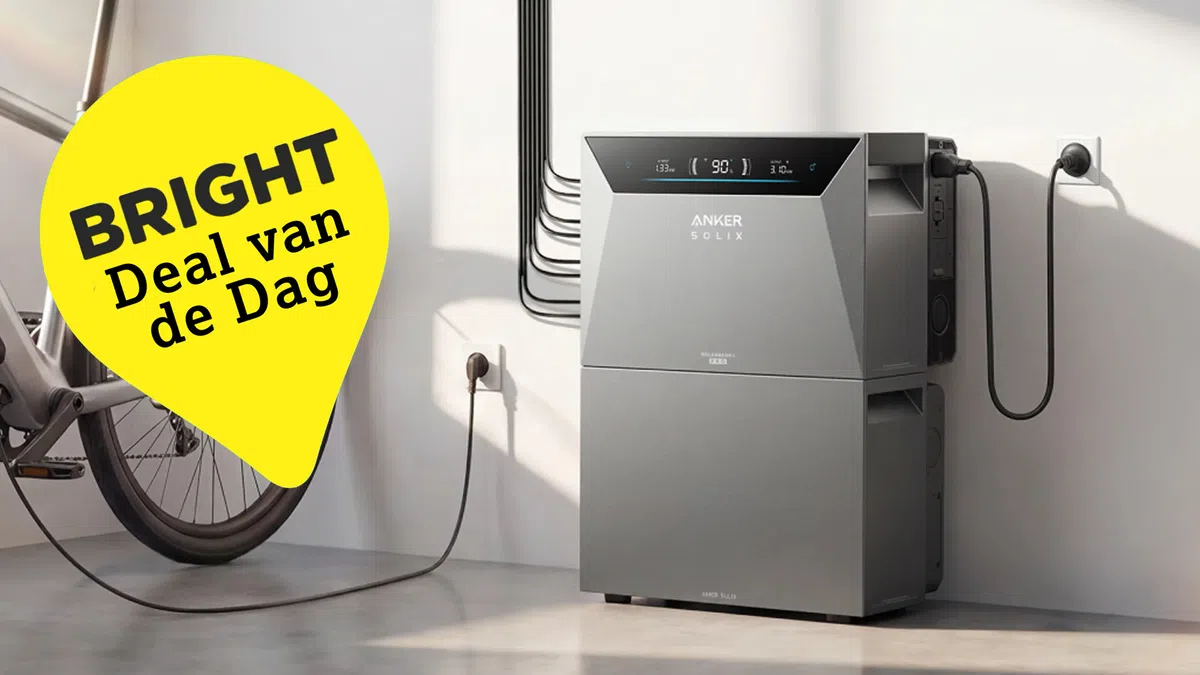
Home battery deals during Black Friday: top 5
The prices of plug-in batteries have steadily decreased lately, but during the Black Friday weekend, there are significant discounts to be found. Major manufacturers are responding by offering their p...
Tech Festival
27 November 2026