
Open Science in Preparation for the Next Pandemic
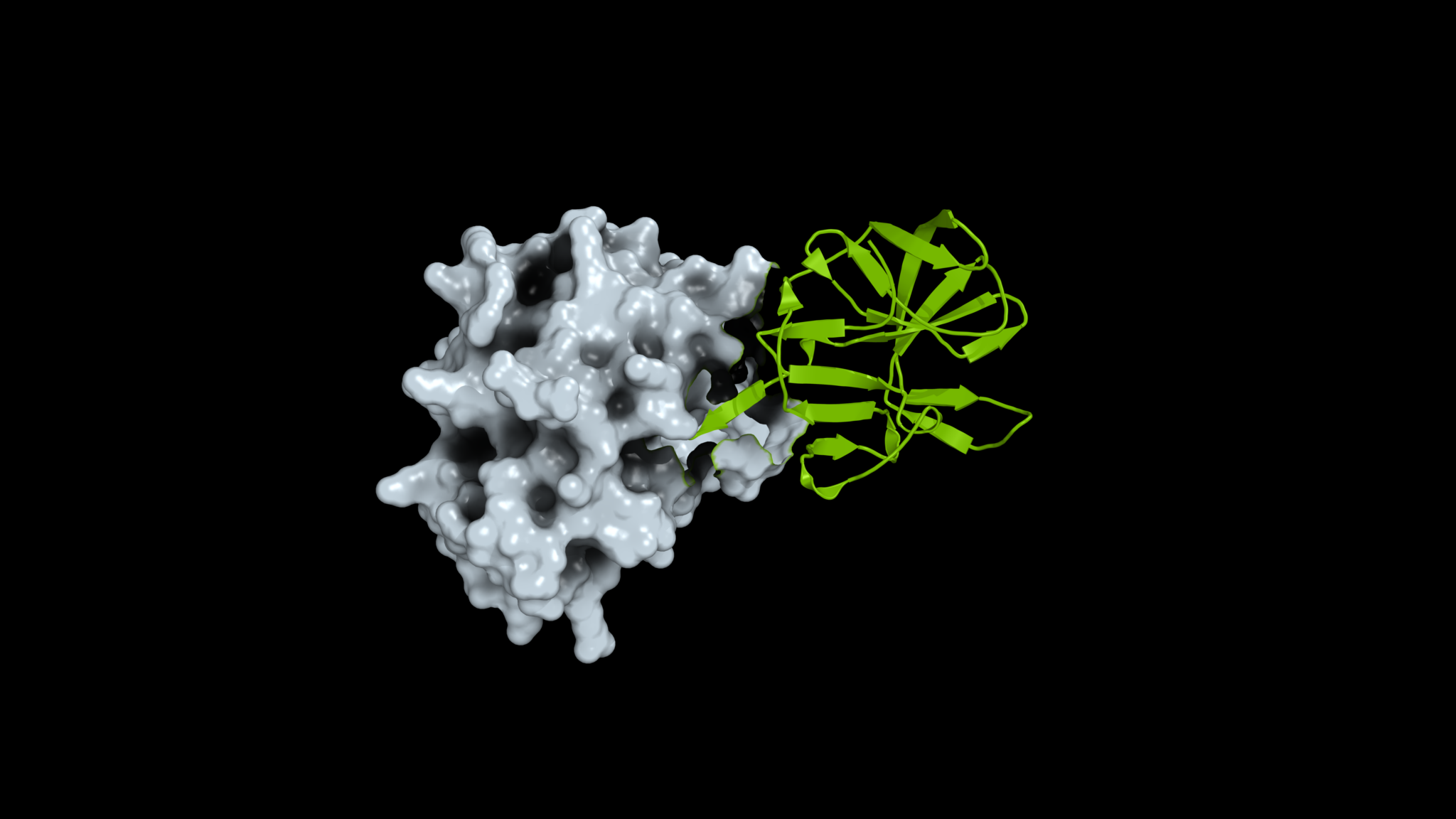
With the emergence of COVID-19, scientists had a crucial head start thanks to decades of research on coronaviruses. This knowledge resulted in the rapid development of vaccines. For the next pandemic, which may not offer the same advantages, NVIDIA, along with other global research organizations including Google DeepMind, has taken an important step: the release of predicted 3D structures of protein complexes from over 2,800 viruses. These structures are openly available through the AlphaFold Database, allowing scientists worldwide to make use of them.
The structures in this dataset are derived using AlphaFold2, an AI model from Google DeepMind that predicts how proteins fold into 3D shapes, optimized by NVIDIA's BioNeMo Inference Runtime. This enabled the team to scale inference to thousands of viral proteomes and predict interactions between proteins within each virus. Risha Patel, life sciences partnerships manager at Google DeepMind, emphasized that this collaboration allows for gathering key insights in preparation for future outbreaks.
NVIDIA has also released the BioNeMo Structure Prediction Pipeline, a GPU-accelerated workflow that helps researchers go from protein sequences to predicted 3D structures for their own targets. Preparation for the next pandemic must begin now; analyses suggest a roughly 50% chance that the world will face another serious pandemic by 2050. Scientists, such as Joe Grove from the Medical Research Council-University of Glasgow, indicate that the knowledge being gathered now is valuable for better combating future outbreaks.
Approximately 30% of the protein interactions in the new dataset have never been documented before, providing new insights for the biosciences. Chris Dallago from NVIDIA spoke about the potential of this database as a driver for hypothesis generation, enabling biomedical researchers and the AI community to explore new protein complexes. This is crucial as many proteins work together in complexes to perform functions, which is essential for the development of vaccines and medications. Traditional methods for determining protein structures are time-consuming and costly; AlphaFold2 offers a much more efficient alternative for obtaining this structural information.
This initiative, coinciding with a UN meeting on pandemic prevention and response, provides scientists with access to a wealth of information, including less-studied viruses. This lowers access barriers, especially for researchers in resource-limited settings. Jo McEntyre from EMBL-EBI highlights the importance of making such data openly available for the development of viral diagnostics and treatments. Given the value of this dataset, expectations are high for future scientific discoveries.
Read the full article from Nvidia.
Gerelateerde artikelen
New CRISPR thanks to Claude?
Claude, the artificial intelligence developed by Anthropic, has discovered an unknown biological system in the DNA of viruses. This system bears similarities to CRISPR, the well-known technique that e...

Tech Festival
24 September 2026

Google tests AI calling for Pixel 11 users
Google has announced that the AI calling feature, called Gemini, will soon be available for owners of the Pixel 11 in the United States. This new functionality is intended for users who have a subscri...
Tech Festival
24 September 2026
Developing AI Where Failure is Not an Option
During TechCrunch Disrupt 2026, leaders from Waabi, Shield AI, and General Motors shared their insights on the crucial role of artificial intelligence in the modern world. The discussion took place on...
Tech Festival
24 September 2026