
Smartphones: What are real specs and what is marketing?
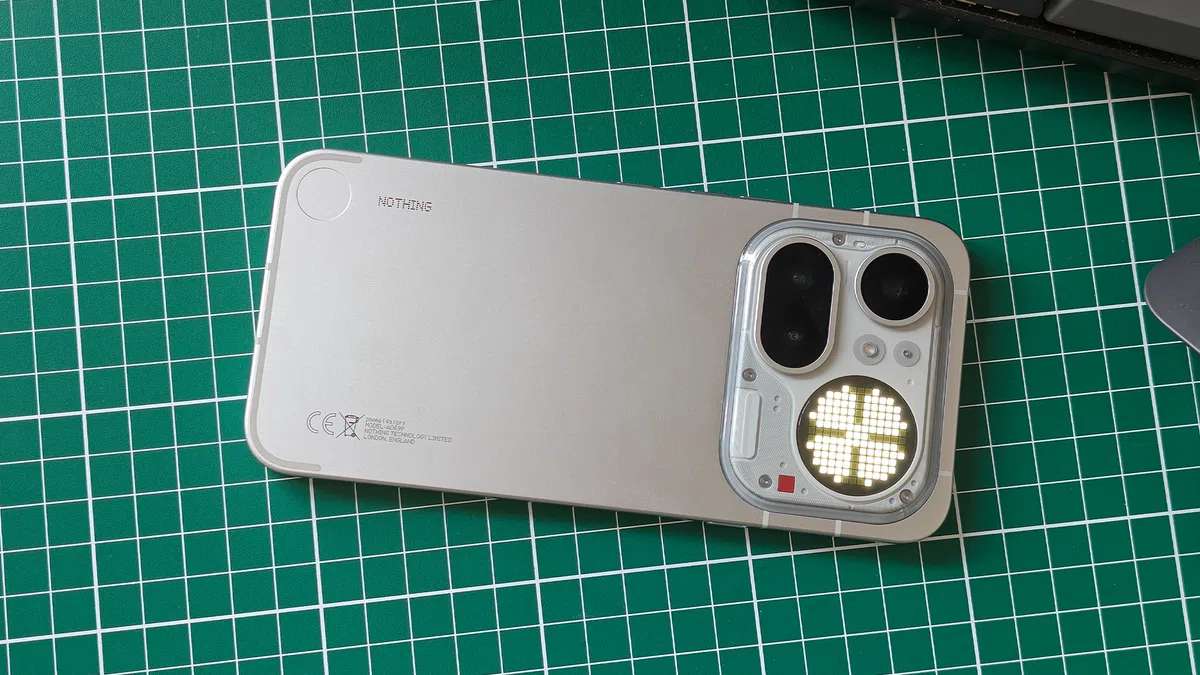
In the fast-changing world of smartphones, it can be overwhelming for consumers to process the constant stream of new specifications and marketing claims. With each launch, manufacturers seem to be competing for higher megapixels, brightly colored screens, and faster chips. But which of these specifications actually contribute to the user experience, and which are merely meant to impress?
There are countless examples where smartphone manufacturers inflate figures without actual improvements in functionality or usability. This phenomenon is reinforced by the fact that manufacturers often emphasize numerical values that appeal to consumers, but are not always relevant in practice. This raises the question of which specifications are truly useful. A good example of this is the number of megapixels; while it can be an important factor for photography, a camera with fewer megapixels can sometimes produce better images thanks to optimizations in other hardware components and software processes.
For business decision-makers and IT professionals, it is crucial to distinguish the actual added value of specifications from marketing beliefs. It is important to look not only at the numbers but also at the overall performance of the smartphone in everyday settings. This enables better-informed decisions regarding mobile devices, significantly reducing the chances of purchasing mistakes and disappointments. Evaluating products based on real performance and user experiences is essential, especially in a business environment where productivity is a priority.
In the future, it will be even more important for consumers and professionals to critically assess the values and claims that manufacturers present. Understanding which specifications truly matter can help in making an informed choice when it's time to purchase a new smartphone. Surprisingly, some of the most highly priced features are often nothing more than marketing strategies that contribute little to the real user experience.
Read the full article by Bright.
Gerelateerde artikelen

iOS update resolves iPhone Duo issue
Apple has introduced facial recognition for the iPhone Duo with the latest update of iOS, version 27.3. Before this update became available, users could only unlock the device using TouchID. This new...

Tech Festival
17 November 2026
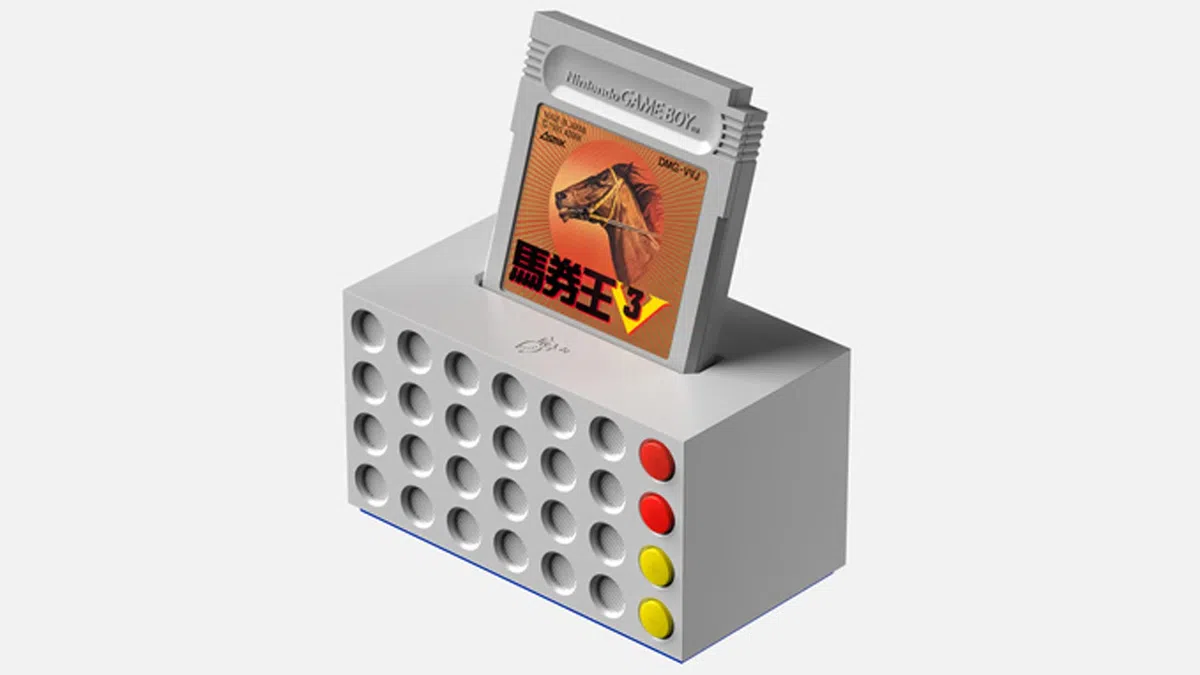
Play Game Boy music with Retro Song Bird
The Retro Song Bird is an innovative compact speaker, designed for retro gaming enthusiasts. This device offers users the unique opportunity to play music directly from their favorite Game Boy cartrid...
Tech Festival
17 November 2026

DJI's first urban e-bike: the Amflow UE series
DJI, known for its drones and technology, is expanding its product portfolio with the launch of electric city bikes. These new bikes, under the subsidiary brand Amflow, are designed for urban use and...
Tech Festival
17 November 2026