
Students with AI glasses on Fontys campuses

Students have been seen wearing AI glasses on the Fontys university campuses in Venlo, Tilburg, and Sittard, without many fellow students and staff recognizing this technology. According to a report by journalist Jan Ligthart, published by the university medium Bron, it was particularly noticeable that even when the light on the glasses was blinking, most people were unaware of the presence of a camera. Fontys is also using these smart glasses in limited quantities to gain insight into the technology.
While wearing the glasses is not prohibited, there are clear house rules regarding photography and filming within classrooms and other sensitive areas on campus. This means that, despite the absence of a general wearing ban, users must adhere to certain guidelines when capturing images of fellow students and staff. Security monitors and responds to reports, but the report shows that the AI glasses hardly stand out on the campuses.
Chairman of the board Joep Houterman of Fontys explains the concerns about privacy and social safety. He emphasizes that understanding new technologies well and developing clear rules and conscious usage are crucial for a safe learning environment. Houterman believes that policymaking regarding the use of smart glasses is a responsibility of the politicians and lawmakers, rather than an automatic ban from the educational institution.
There are also concerns about how AI glasses could be misused during exams, as some models can not only record but also interact with the user via built-in speakers or screens. Although there are currently no concrete cases of exam fraud reported in connection with this technology, the article emphasizes the need for clear communication about what is allowed and where students can go with their concerns. This highlights the challenge of enforcing policies in an environment where many people do not perceive the technology as potentially problematic.
Read the full article from AI Insider.
Gerelateerde artikelen

Fitbit Edge: New tracker successor to Charge
Recently, new details have emerged about the Fitbit Edge, an upcoming fitness tracker that will replace the widely used Fitbit Charge. This new tracker promises enhanced features and technologies aime...

Tech Festival
05 October 2026

Norway introduces temporary ban on camera glasses
The rapid development of smart glasses with cameras has raised significant privacy concerns. There is a growing desire to regulate this technology, especially in public spaces where individuals may be...
Tech Festival
05 October 2026
Data Centers: Huge Increase in Energy Consumption Due to AI
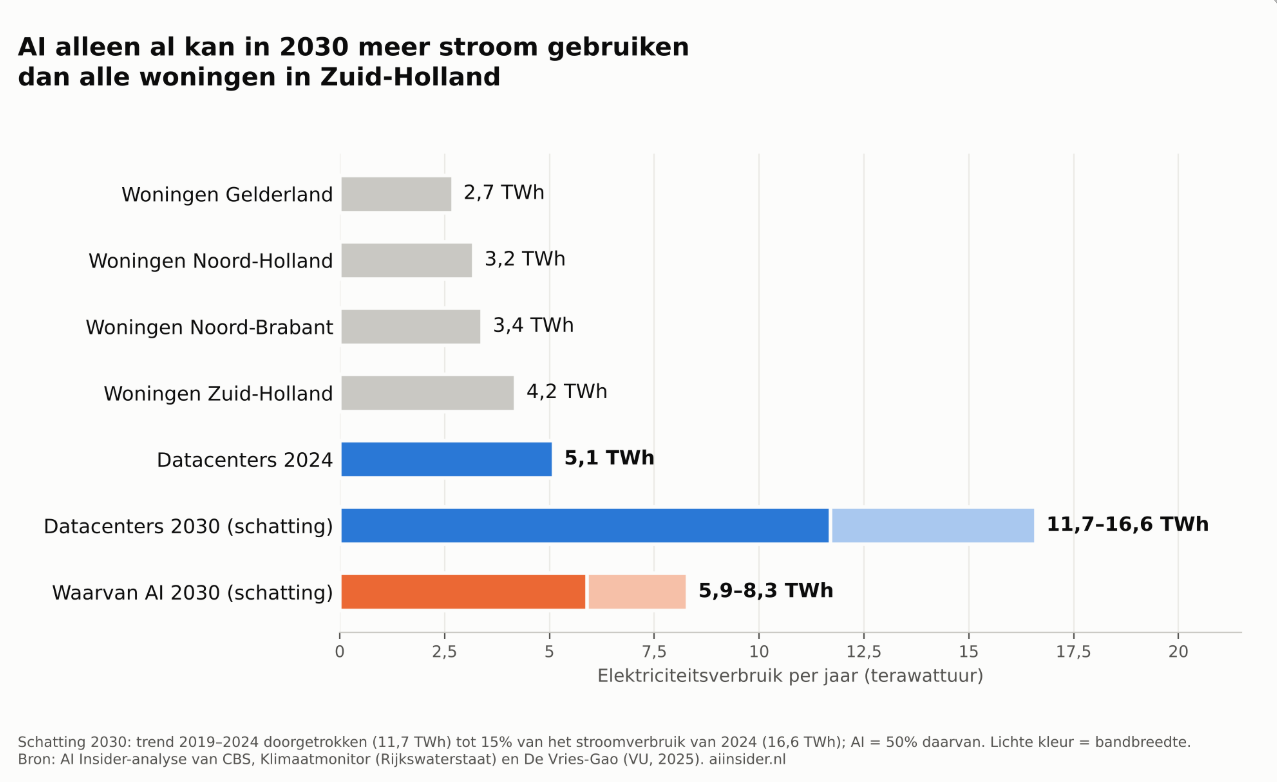
By 2024, the electricity consumption of AI in the Netherlands could exceed that of all 1.7 million residences in South Holland combined. This is evident from a recent analysis by AI Insider, which als...
Tech Festival
05 October 2026