
Cars as Home Battery: V2G Technology in Practice
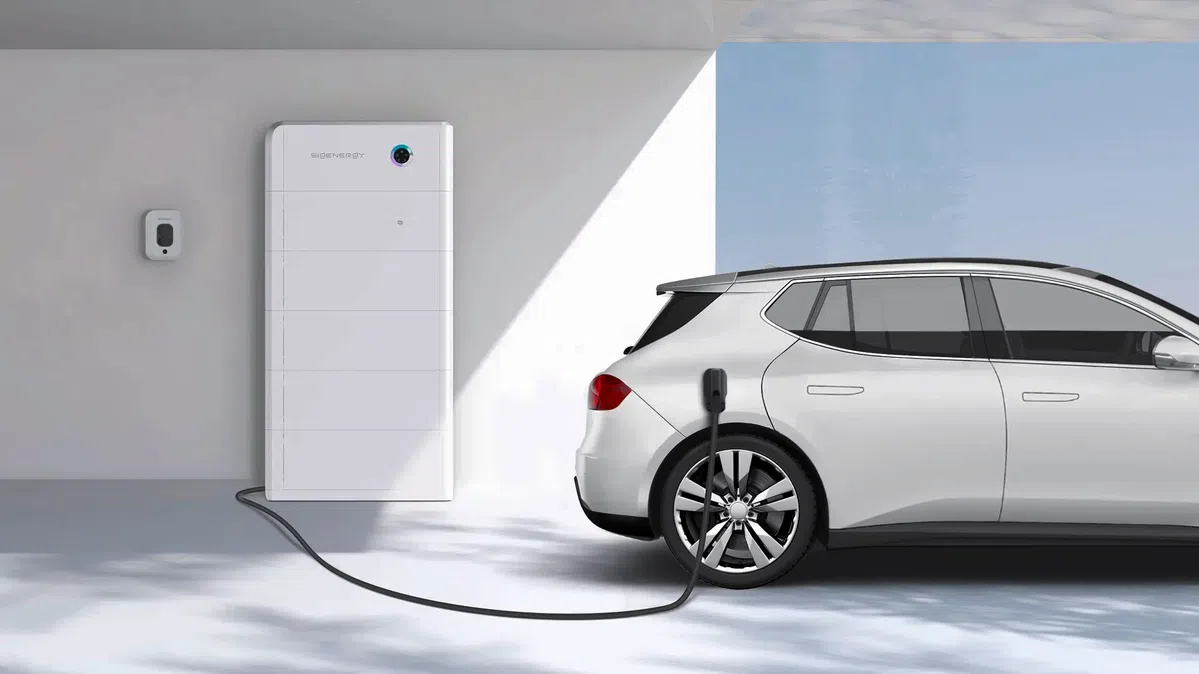
Electric vehicles (EVs) are becoming increasingly versatile; in addition to their primary function as a means of transportation, they can also function as home batteries. This is made possible by Vehicle-to-Grid (V2G) technology, which allows energy from the car to be returned to the electricity grid or even directly to households. It is expected that various manufacturers, such as Kia, Volvo, Tesla, and Volkswagen, will focus more on this in the future, although currently many of these options are being utilized without explicit approval from the car manufacturer.
The ability to use electric cars for energy storage has the potential to benefit both EV owners and the electricity grid. During peak load, car owners can return energy from their vehicle, which can contribute to a more stable energy supply. Nevertheless, there are questions about the practical implementation and the benefits of this innovative approach. Is it financially advantageous for consumers to use their EV as a home battery? Or are there risks involved, such as accelerated battery wear?
Experts advise careful consideration of these decisions. At most manufacturers, it is not yet explicitly permitted to use the battery functionality of EVs in this way. However, the technical feasibility is already there, and with expected developments in policy and technology, this may become an increasingly relevant option in the future. The strategic decision to invest in this must be weighed in the context of both operational costs and battery capacity.
Exploring these possibilities not only maximizes the potential of the technology but can also contribute to more sustainable energy use. By using EVs as temporary energy storage, the pressure on traditional energy sources is reduced. This offers opportunities for innovation in the energy market and can lead to cost savings for consumers. The future looks promising regarding the integration of cars into the energy infrastructure.
Read the full article from Bright.
Gerelateerde artikelen

Google, Nvidia and Anthropic join forces for AI
A new collaboration between technology giants such as Google, Nvidia, Anthropic, and Emerald AI focuses on identifying 100 gigawatts (GW) of grid capacity that can be made available for the establishm...

Tech Festival
17 September 2026
Lucid Motors and Bolt: potential collaboration for robotaxi
Lucid Motors, the manufacturer of luxury electric vehicles, has recently announced its collaboration with the mobility platform Bolt. This collaboration focuses on the development of robotaxis in Euro...
Tech Festival
17 September 2026
Anthropic calls for AI slowdown and support from rivals
Dario Amodei, CEO of Anthropic, has called for a slowdown in the development of artificial intelligence (AI). This call comes in response to recent concerns regarding AI agents capable of hacking syst...
Tech Festival
17 September 2026