
Lambda Increases AI Factory Resilience with NVIDIA Photonics
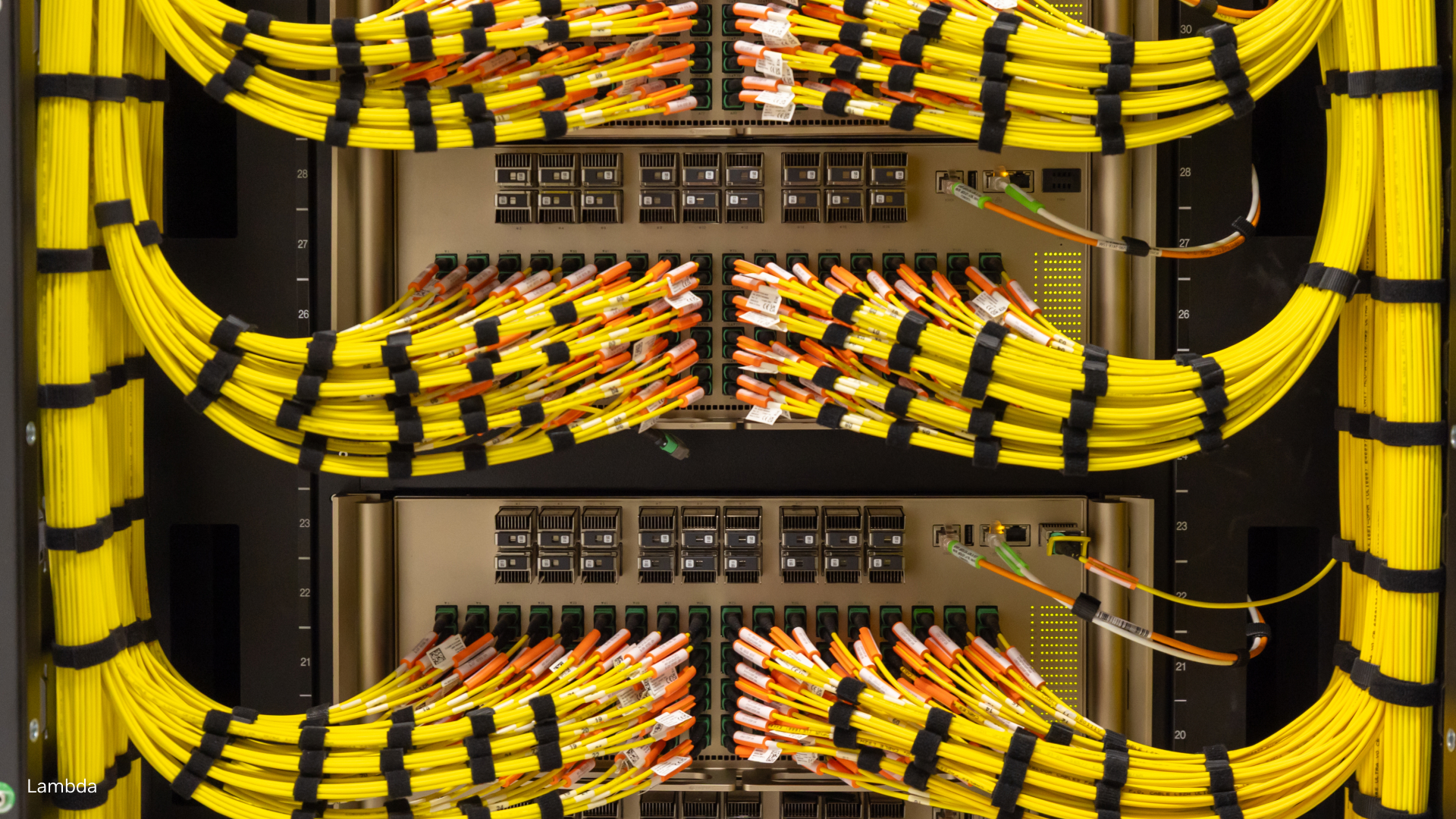
To train an AI model, thousands of GPUs need to work together, requiring a network that is fast, efficient, and resilient. Lambda addresses the networking aspect with NVIDIA Photonics co-packaged optics (CPO) switches. These switches connect NVIDIA GB300 NVL72 racks to over 10,000 GPUs, resulting in lower energy consumption, high resilience, and a longer mean time between failures (MTBF) for a large-scale AI factory. Dave Ward, President of Cloud Services at Lambda, emphasizes that networks must grow in tandem with the demands of ever-larger AI clusters.
Tests from the company show that network latency, the time required for data traffic, has decreased by about 4% at the rack level and up to 10% at the pod level. Across various configurations, the network maintains the same throughput as conventional pluggable optics. Improving energy efficiency and resilience is crucial, as networks are central to the productivity of AI factories. A broken connection can halt thousands of GPUs, and any interruption costs time, while every watt spent on networks is not available for computations.
NVIDIA Photonics offers a solution for both energy efficiency and resilience. By replacing pluggable transceivers with co-packaged optical engines on the switch package, it can deliver up to 5 times better energy efficiency and up to 15 times higher reliability than traditional pluggable optics. Additionally, 4 times fewer lasers are used, meaning there are fewer components that can fail. The deployment of NVIDIA Photonics switches by Lambda, each with 144 ports running at 800 Gb/s, utilizes liquid cooling to dissipate heat from the switch chip and optical engines.
The median temperature of the optics is at 36°C, compared to 51°C for traditional pluggable optics, resulting in more stable signal integrity. NVIDIA Photonics brings the electrical-to-optical conversion closer to the switch chip, and each switch has 18 replaceable external light sources. These modules can be replaced in the field, which is a significant improvement over traditional optical modules where the entire module must be replaced in case of a laser defect. Co-packaging shortens the electrical path from inches to millimeters, reducing signal losses and both energy consumption and the number of components in the signal path.
Read the full article from Nvidia.
Gerelateerde artikelen

iOS update resolves iPhone Duo issue
Apple has introduced facial recognition for the iPhone Duo with the latest update of iOS, version 27.3. Before this update became available, users could only unlock the device using TouchID. This new...

Tech Festival
17 November 2026
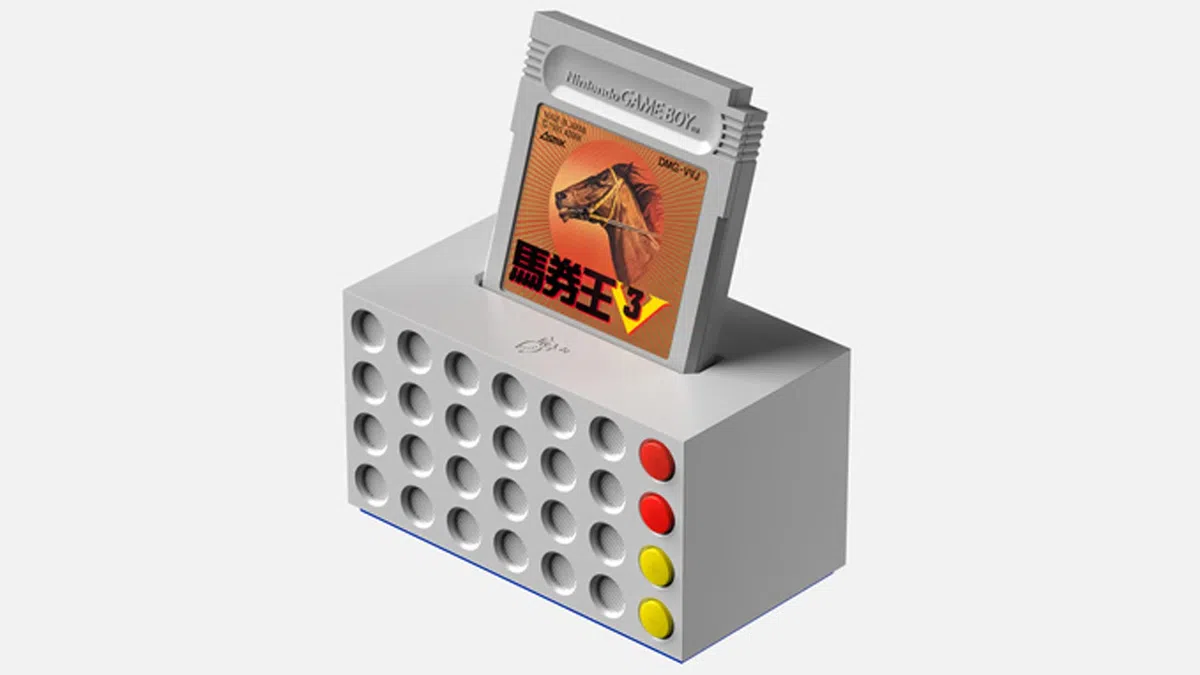
Play Game Boy music with Retro Song Bird
The Retro Song Bird is an innovative compact speaker, designed for retro gaming enthusiasts. This device offers users the unique opportunity to play music directly from their favorite Game Boy cartrid...
Tech Festival
17 November 2026

DJI's first urban e-bike: the Amflow UE series
DJI, known for its drones and technology, is expanding its product portfolio with the launch of electric city bikes. These new bikes, under the subsidiary brand Amflow, are designed for urban use and...
Tech Festival
17 November 2026