
Vulnerability of the Netherlands Exposed Through Supermarket Incident

This week, customers of Albert Heijn experienced an unexpected shock when they were confronted with empty shelves in the stores. This phenomenon, which initially seems alarming, was the result of a cyberattack that also led to incorrect pricing and missed discounts. This incident underscores the resilience of the supermarket chain and raises questions about the broader impact of cybersecurity issues on society.
When a major retailer like Albert Heijn faces such problems, the vulnerability of the Dutch infrastructure becomes painfully clear. Cybersecurity incidents can lead not only to loss of sales for companies but also to dissatisfaction among consumers who rely on these stores for their daily groceries. The consequences extend beyond immediate damage; they can also undermine customer trust in brand integrity.
The incident illustrates the necessity for companies and government agencies to take proactive measures in the fight against cyber threats. In an increasingly digital society, supermarkets and other essential services are vulnerable to attacks that can disrupt their operations. It also confirms that cybersecurity is not merely an IT responsibility, but a matter that deserves the attention and investment of the entire management and governance.
The threat landscape is constantly evolving, demanding a dynamic approach to security. Strengthening cybersecurity and continually testing these systems is crucial to ensuring the integrity of the Dutch economy. This incident at Albert Heijn can thus serve as a wake-up call for both companies and the government to implement more robust measures and protect the overall infrastructure from future attacks.
Read the full article from Bright.
Gerelateerde artikelen

Cyber Crisis 2026: Vulnerability in Organizations
In 2026 it becomes clear that no organization is safe from cyber attacks, regardless of the sector in which they operate. Examples speak volumes: at Albert Heijn, a hack led to empty shelves, while in...

Tech Festival
15 October 2026
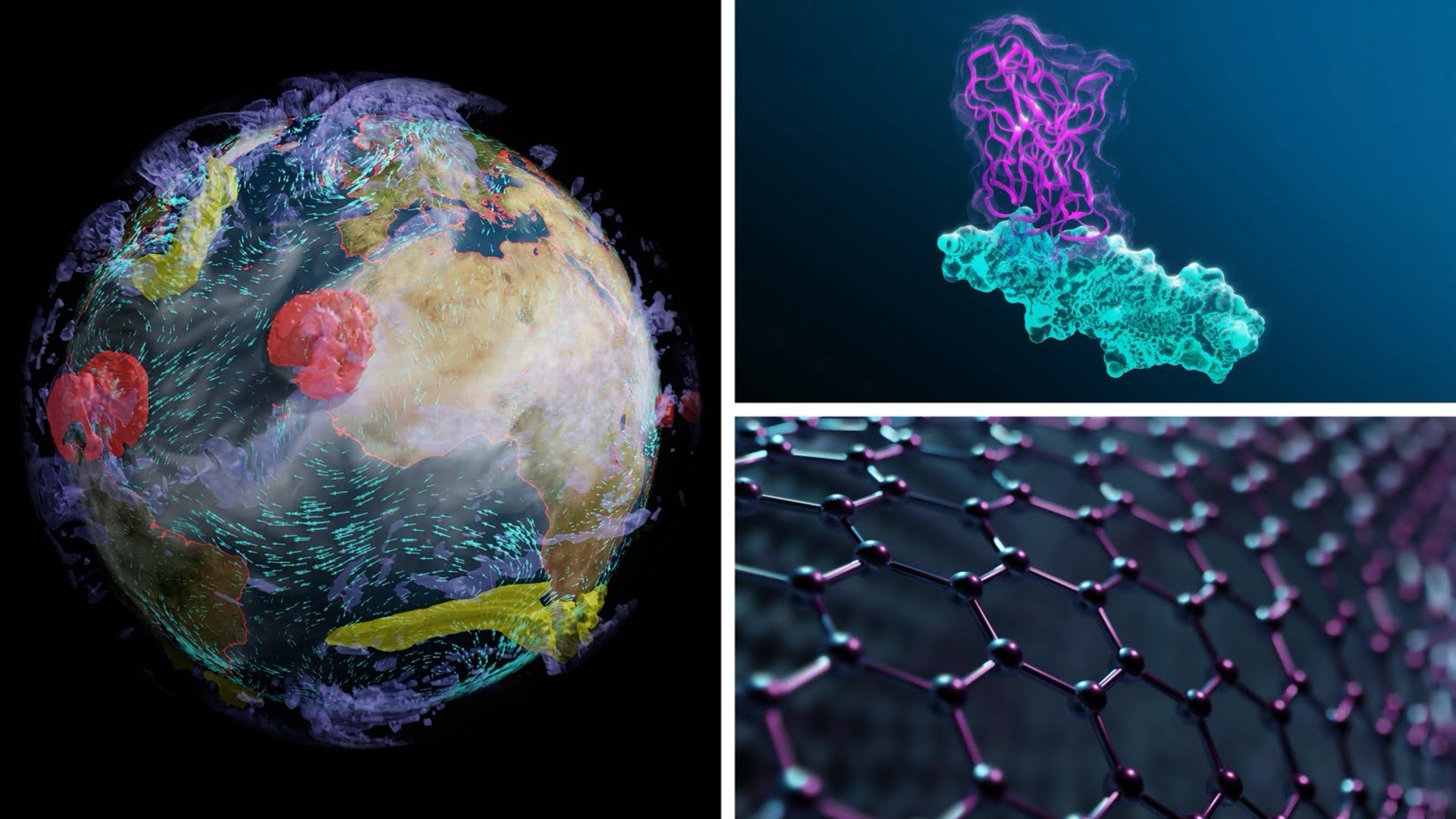
NVIDIA Expands Access to Advanced Technology for Research
NVIDIA's recent announcement at the AI in Science Summit in Dublin marks an important step in collaboration with the European Commission to support the scientific community in Europe. The new initiati...
Tech Festival
15 October 2026

AI tool creates opportunities for dodo comeback
The biotech company Colossal has made a significant step towards making the return of the extinct dodo possible. By utilizing a specialized AI model, the company has identified the precise genetic mod...
Tech Festival
15 October 2026