Meta and Nvidia advocate for self-regulation of the AI market

Mark Zuckerberg from Meta and Jensen Huang from Nvidia expressed their views on the regulation of AI development during the Salesforce Dreamforce conference. Both leaders are against a brake on progress and argue instead for self-regulation within the industry. They believe that it is the responsibility of developers to create safe AI applications, without the need for new government rules.
Zuckerberg states that a slowdown in AI development offers no benefits; companies that ignore human values will naturally fall behind. He emphasizes that existing laws provide sufficient touchpoints for the development of safe AI. This means that organizations must be proactive in preventing incidents, with liability playing a key role. Additionally, he mentions his own Muse AI technology, which has been deliberately delayed for safety reasons, as an example of how safety can take precedence over speed.
Jensen Huang also aligns with Zuckerberg's vision. He finds additional legislation unnecessary and emphasizes that current regulations already provide sufficient foundations for reliable AI products. Huang states that the responsibility for safety primarily lies with the developers and vendors of AI technology, and that technological assurance is essential. This approach can amplify the pressure on the sector to innovate without the need for additional regulatory pressure.
The discussion about AI safety received extra attention from Dario Amodei, CEO of Anthropic, who called for a temporary slowdown in progress to enhance safety. However, this stance was not widely supported, facing criticism from prominent voices such as Donald Trump. Sam Altman of OpenAI joined the debate, emphasizing that safety must come first, which clarified his earlier support for Amodei's position. This keeps the discussion about the balance between speed and safety relevant and challenging for the AI sector.
Read the full article from AI Insider.
Gerelateerde artikelen
Hang Ten Systems raises 53 million dollars
Hang Ten Systems, the AI startup founded by former Infosys CEO Vishal Sikka, has completed a funding round of 53 million dollars on September 16, bringing the total funding to 85 million dollars. This...
Tech Festival
16 September 2026
AI agents gain access to Google Home devices
Google has announced that it is launching a new MCP server (Multi-Control Protocol) for Google Home that offers early access to AI agents such as Claude and ChatGPT. This development enables users to...
Tech Festival
16 September 2026
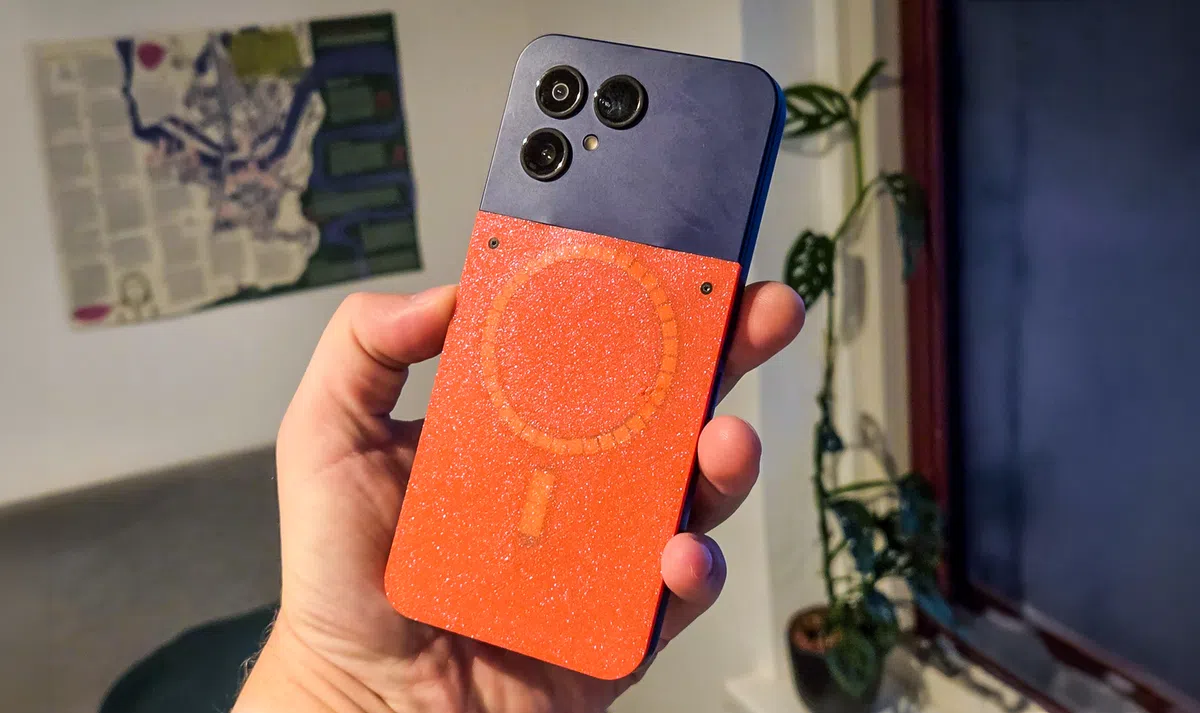
The Fairphone 6+ for hobbyists and DIY enthusiasts
The Fairphone 6+ is specifically aimed at hobbyists and tech enthusiasts who want to customize and optimize their smartphone themselves. This phone offers a range of opportunities to configure the dev...
Tech Festival
16 September 2026