
Traffic Safety and Alcohol Locks
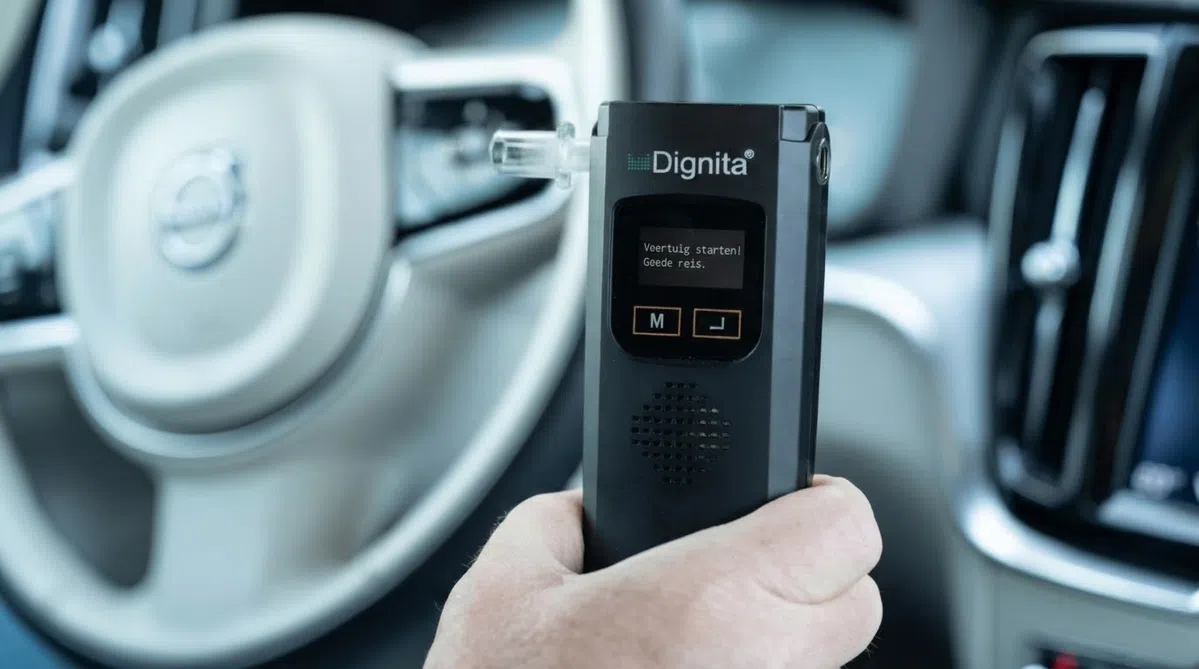
According to recent estimates from the Institute for Scientific Research on Traffic Safety (SWOV), alcohol is involved in a quarter to a third of all traffic fatalities. These statistics underline the necessity for stricter measures to improve traffic safety. The House of Representatives has already taken steps by agreeing to reintroduce alcohol locks for severe traffic offenders. This initiative seems aimed at reducing the number of deaths and injuries on the roads.
A study by Veilig Verkeer Nederland shows that 84 percent of Dutch citizens also support the reintroduction of alcohol locks. This indicates that there is broad societal support for the implementation of this technology. Despite common safety measures, such as wearing a seatbelt, the question arises why alcohol locks are not standard in every car. After all, this could be an effective step to reduce the death toll.
The arguments for a mandatory introduction of alcohol locks are clear: the combination of alcohol and driving results in dangerous situations that endanger not only the drunken driver but also other road users. Implementing alcohol locks as a standard measure could help achieve a significant decrease in traffic deaths. It is clear that there is both political and public support for improving traffic safety through technological solutions. Nevertheless, the question remains why no decision has yet been made to implement this crucial change.
The discussion around alcohol locks gets to the heart of traffic safety and prevention. When it comes to protecting lives on the road, it is essential that not only information and regulations are in place, but also that technological innovations are applied. The responsibility lies with all of us to create a safer traffic environment, and the introduction of alcohol locks could be a fundamental part of this.
Read the full article from Bright.
Gerelateerde artikelen

New Rules for Drone Flying in Amsterdam
Today, the new rules for flying drones in the Netherlands have come into effect. The anticipated change concerns the reduction of no-fly zones around airports. The announcement of the exact size of th...

Tech Festival
26 November 2026

Nvidia stops chip deliveries to Southeast Asia
Nvidia has instructed its manufacturing partners to temporarily suspend the shipment of server chips to Malaysia, Singapore, Thailand, and Indonesia. This decision comes in response to the recent tigh...
Tech Festival
26 November 2026
Is Alice Huang a spy or not?
The recent scandals surrounding Nvidia have led to allegations that Alice Huang, former executive at Megaspeed, may be a spy. At the core of the allegations is her alleged relationship with Nvidia's C...
Tech Festival
26 November 2026