
NASA Discovers Large Crater on the Moon
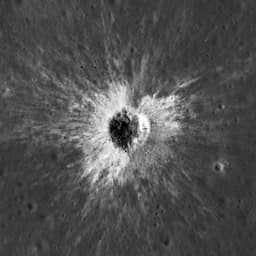
NASA scientists have recently made a remarkable discovery: a new crater on the moon that is larger than the iconic Colosseum in Rome. This crater was formed by a violent impact that occurred two years ago. Previously, the impact went unnoticed, which surprises experts.
Most craters on the moon are the result of meteorite impacts, but this specific crater highlights the dynamics of the lunar surface and the lasting impact of impacts. Scientists believe that this discovery is not only scientifically significant but can also help better understand the moon's history and the processes that have shaped our nearby celestial body.
The research into the crater is expected to yield new insights into the geology of the moon, as well as the influences of space objects that have struck the surface. Consequently, the information that arises from this discovery could also be useful for future missions and the exploration of the moon, which is receiving increasing attention from various space agencies.
With this find, NASA once again emphasizes its role as a leader in space research and scientific discoveries. The developments surrounding this crater could make an important contribution to our understanding of the moon and its environment.
Read the full article from Nu.nl tech Science.
Gerelateerde artikelen

EU KIDS Act: Stricter rules for social media
The European Commission has adopted a draft law called the EU KIDS Act, aimed at strengthening the online safety of minors within the European Union. This proposal marks a significant shift in the res...

Tech Festival
17 September 2026
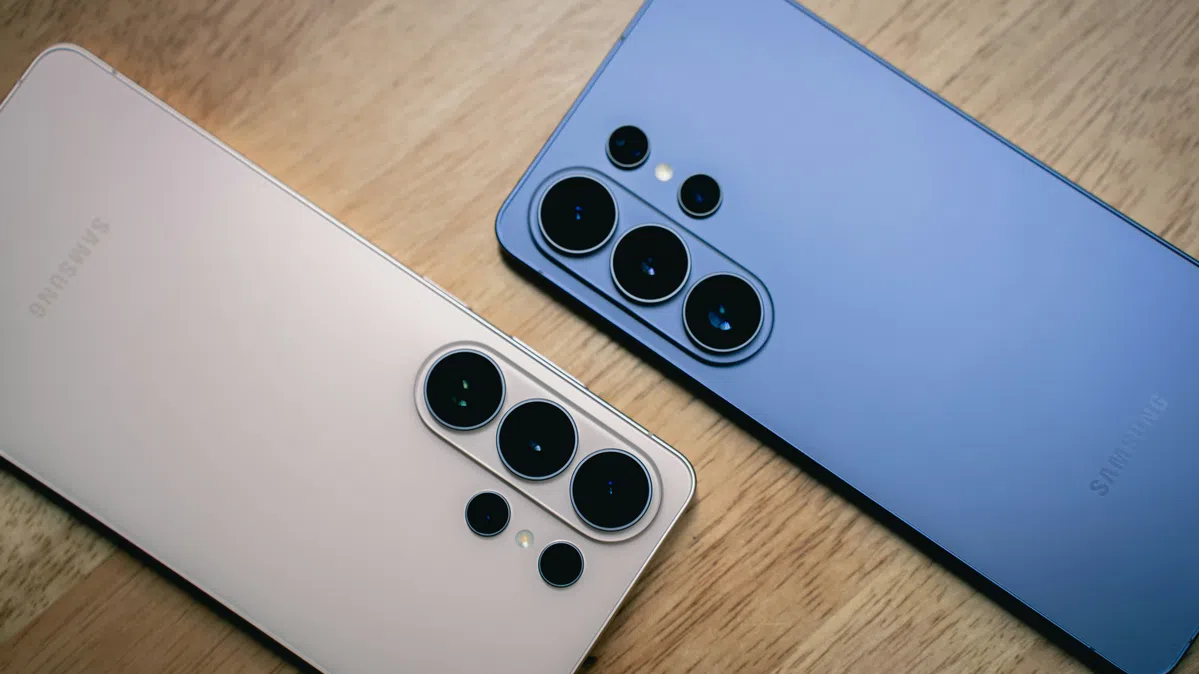
Samsung launches One UI 9 for the Galaxy S26
Samsung has recently announced the rollout of One UI 9 for the Galaxy S26, S26 Plus, and S26 Ultra. This update gives the flagship models access to a range of new features, based on Android 17. This s...
Tech Festival
17 September 2026
Claude chooses between chatting and working independently
The AI chatbot Claude, developed by Anthropic, is receiving a new feature that allows it to independently determine whether a task requires a quick response or if it is better to handle it in the back...
Tech Festival
17 September 2026