
Netherlands requests US not to influence ASML
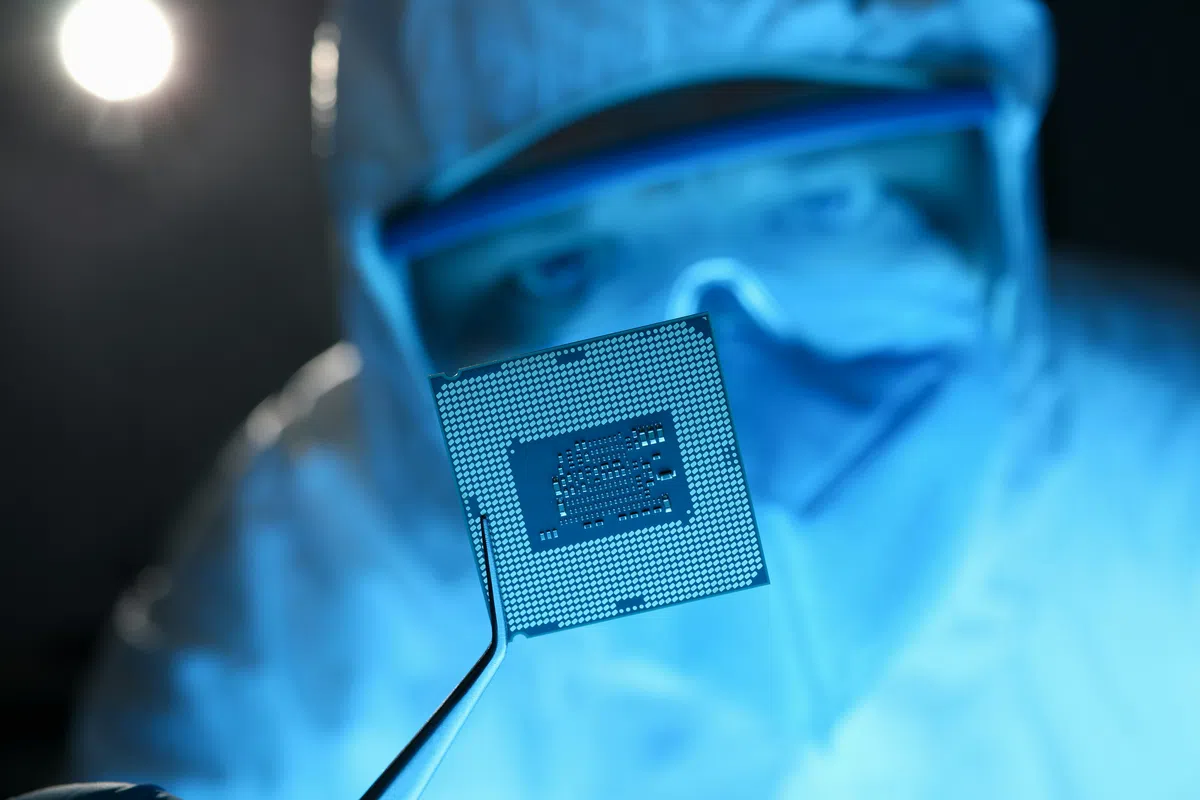
Netherlands has submitted an official request to the United States to reconsider the implementation of the so-called MATCH Act. This new legislation aims for a stricter approach to exports to China, which could have direct consequences for technology companies such as ASML. As part of the global supply chain, ASML plays a crucial role in the production of advanced chips, which are essential for various sectors, including ICT and consumer electronics.
The concerns of the Netherlands are mainly focused on the impact this law could have on the collaboration between American and Dutch technology companies. ASML, known for its lithography technology that is indispensable for chip manufacturing, would come under scrutiny. The Dutch government fears that additional regulations from the US could undermine ASML's competitiveness in the international market, especially compared to other chip manufacturers outside the United States.
This development comes at a time when there is already a lot of attention on the strategic dependence of technology and resources between countries. Most countries, including the Netherlands and the US, are aware of the geopolitical tensions with China. However, an overly rigid approach could backfire, potentially hindering innovations and collaborations in the technology sector. The Dutch government advocates for a constructive approach that serves both national interests and international cooperation in technology.
The request from the Netherlands to the US highlights the importance of collaboration within technology ecosystems. ASML is seen as a vital player in the global chip industry, and any measures that would restrict its operations could have far-reaching consequences for the technology industry in a broader sense. The dialogue between the Netherlands and the US will be crucial in the coming period to arrive at a solution that safeguards both national interests and global stability.
Read the full article from Bright.
Gerelateerde artikelen

Section control now also in built-up areas
Motorists typically associate section control with highways, but this is changing with the introduction of section control in built-up areas. This new system has been launched on the Matlingeweg in Ro...

Tech Festival
27 November 2026

Black Friday: More than a day, less appeal
The traditional shopping holiday Black Friday is known as the day when consumers massively take advantage of discounts. However, according to recent research from ABN Amro, this day seems to increasin...
Tech Festival
27 November 2026

New Rules for Drone Flying in Amsterdam
Today, the new rules for flying drones in the Netherlands have come into effect. The anticipated change concerns the reduction of no-fly zones around airports. The announcement of the exact size of th...
Tech Festival
26 November 2026