
NVIDIA Introduces Rubin HPC for Accelerating Simulations
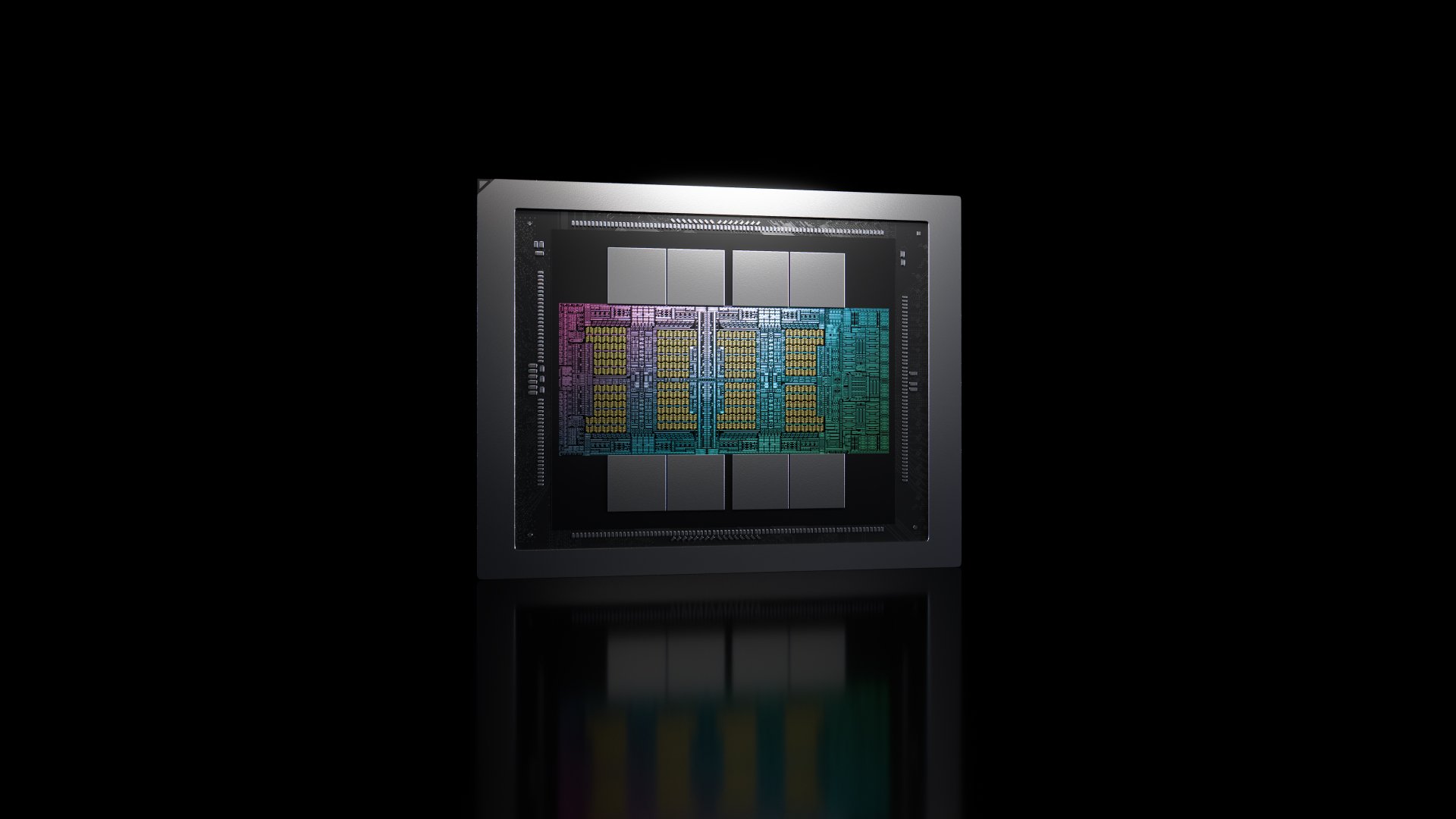
NVIDIA today announced the Rubin HPC GPU at the SC26 event, a new addition to the NVIDIA Vera Rubin platform. This GPU is designed to significantly accelerate simulations and data processing for scientific, engineering, and analytical workflows. As scientists and engineers increasingly rely on simulations to explore new materials, molecules, and designs, Rubin HPC will help them transition from exploration to scientific discoveries and industrial designs faster.
The Rubin HPC GPU boasts a record number of over 50,000 CUDA cores and introduces a capability for accelerating sparse data traffic, which is essential for optimal performance of these cores. This technology utilizes the seventh generation NVIDIA NVLink interconnect for enhanced GPU-to-GPU connectivity. Ian Buck, vice president of hyperscale and high-performance computing at NVIDIA, emphasizes that faster simulations lead to faster discoveries: "Rubin HPC accelerates the simulations that agents use to test ideas and steer their next steps, helping scientists and engineers explore more possibilities and bring breakthroughs closer."
The challenges within scientific computing workloads are largely similar, regardless of the field, whether it involves climate modeling, engineering simulations, genomic analyses, or financial risk assessment. Rubin HPC offers a balanced design that scales both data movement and computational capacity, rather than simply increasing processing power. This optimizes the GPU for scientific computing applications, ensuring that the CUDA cores are always fed data and can compute faster, making recurring patterns in simulations more efficient. This approach is crucial, as such patterns often occur in data analysis, science, and engineering.
Furthermore, NVIDIA provides a growing set of optimized implementations of complex algorithms that agents can use through the CUDA-X libraries, particularly for simulations and analyses. Combined with Rubin HPC, these libraries can provide agents with the fastest path to relevant outcomes. This enhanced simulation leads to quicker feedback, shortening the cycle of hypothesis, simulation, and refinement. As a result, researchers and engineers can make more informed decisions about their next steps sooner, focusing on the most promising candidates. The Rubin HPC is expected to be available in 2028.
Read the full article from Nvidia.
Gerelateerde artikelen

Humyn Labs raises $47 million for data to robotics
Humyn Labs, founded in February, has successfully raised $47 million to provide training data to American robotics and AI developers. The company, which operates in a competitive market alongside star...

Tech Festival
18 November 2026

GTA VI now available, how to avoid spoilers?
GTA VI has officially launched and is now available to play, starting in New Zealand. Rockstar Games released the new game worldwide at midnight, which means players in New Zealand can start a whoppin...
Tech Festival
18 November 2026
Solutions Against Chinese Monopoly in Graphite Industry
Chinese companies have near-total control over the graphite industry, a critical raw material for battery production. This dominance hinders competition and innovation in the sector, especially as the...
Tech Festival
18 November 2026