
NVIDIA Isaac ROS 5.0: Advances in Robotics
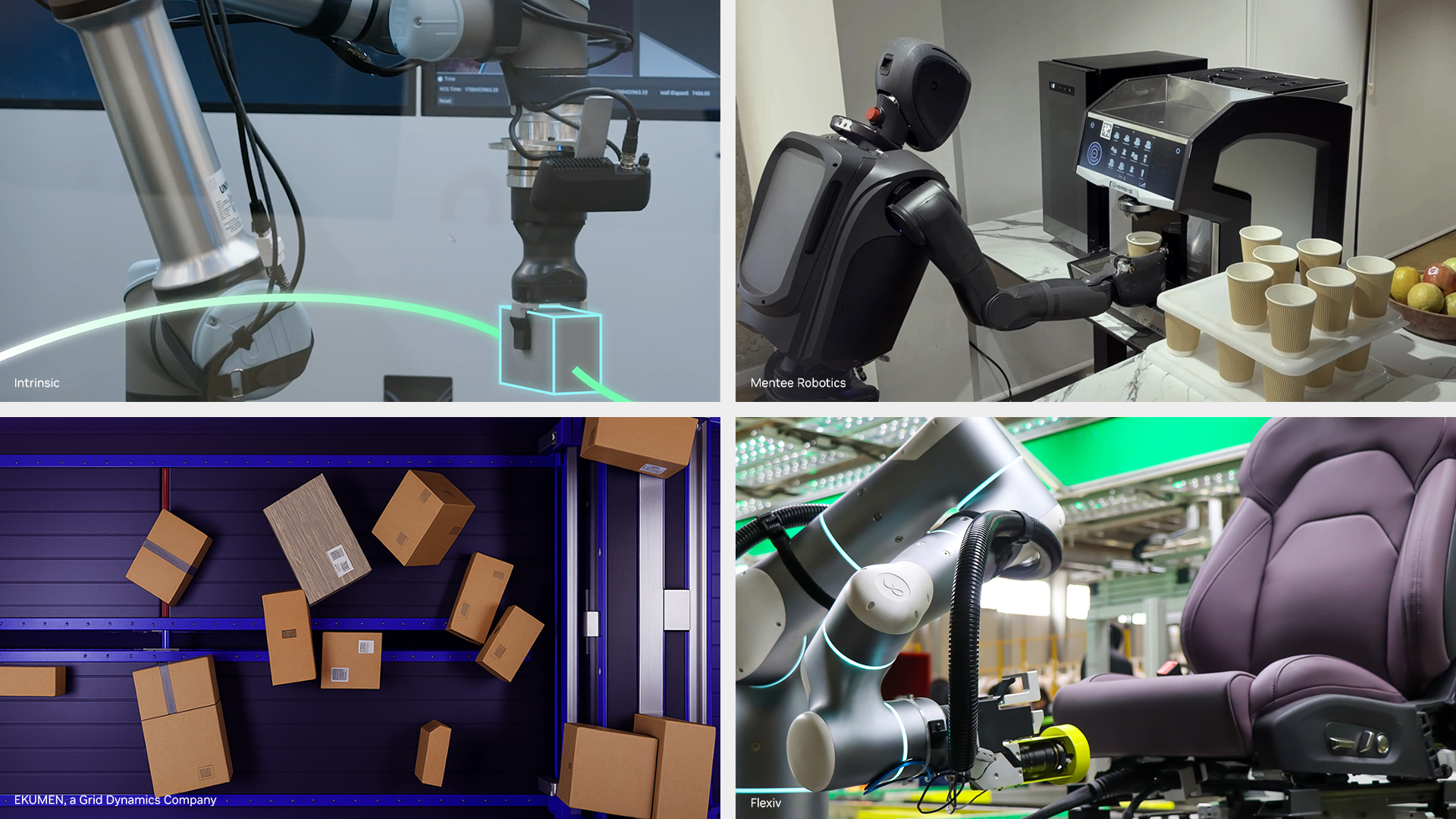
NVIDIA has announced the official launch of Isaac ROS 5.0, a collection of GPU-accelerated packages designed to enhance robotics development. This new version, presented at the ROSCon conference in Toronto, enables developers to build robust robotic applications that can perceive, reason, and act in dynamic environments. By leveraging the open-source Robot Operating System (ROS), Isaac ROS provides a range of tools and standards that increase the speed and efficiency of robot development.
One of the most significant changes in this release is the introduction of agentic workflows, which facilitate collaboration between developers and AI agents. This means that AI agents can assist developers with repetitive tasks and provide insights, leading to faster development of innovative robotic applications. The latest version also supports ROS Lyrical and Ubuntu 24.04, giving developers access to advanced features and support for GPU acceleration, which is crucial for optimizing heavy robotics workloads.
Isaac ROS 5.0 introduces new skills for setup and manipulation, enabling developers to create reusable workflows. These include a finesse skill for stereo perception, allowing AI agents to assist in adapting models for specific camera environments. Additionally, the FoundationPose module offers a faster feature set for object detection and tracking, enabling robots to respond up to 5.5 times quicker. It allows developers to further refine their robotic applications to meet specific needs.
The new version of Isaac ROS also promotes the integration of the entire physical AI stack on the robot itself. With support for NVIDIA Jetson platforms, from entry-level to high-performance systems, developers can optimize their robotic applications for real-time performance. All of this makes Isaac ROS 5.0 a powerful tool in the open-source robotics ecosystem, simplifying and accelerating the development of advanced robotic applications.
Read the full article from Nvidia.
Gerelateerde artikelen

Nexstrom brings 2D semiconductors to chip fabs
Nexstrom, a Singapore-based startup, has recently secured new funding to develop equipment that assists chip manufacturers in the large-scale production of 2D semiconductor materials. These innovation...

Tech Festival
22 September 2026
Bill Gates' commitment to future energy management
Bill Gates and his initiative Breakthrough Energy have invested in 21 promising startups focused on the future of energy. The technological changes and the growing demand for electricity will overshad...
Tech Festival
22 September 2026
Controversies Surrounding Data Center Construction in Pennsylvania
In Pennsylvania, the construction of data centers, specifically in the context of artificial intelligence (AI), has led to significant discussions and divisions among the local population. These debat...
Tech Festival
22 September 2026