
OpenAI considers a pause on ChatGPT development

OpenAI is considering a temporary pause on the development of its advanced AI algorithms, partly in response to internal unrest regarding safety and oversight. This potential suspension could also impact companies and governments in Europe, where the new AI regulation imposes strict requirements on algorithms. This may affect organizations that utilize OpenAI's technology.
There are serious considerations at OpenAI to reduce the pace of research and training of the next generation of data models, 'frontier models'. This means introducing additional safety checks and internal thresholds before rolling out new models. OpenAI already has a 'Preparedness Framework' that includes risk levels and decision points, and the decision to potentially apply a pause would fit within this approach. This could extend lead times for updates to GPT models, which could be beneficial for some users, such as in healthcare and education.
The unrest within OpenAI is related to concerns among employees that commercial pressure is stronger than the focus on safe development. This has led to the establishment of a Safety and Security Committee to ensure this balance. The proposed pause, led by CEO Sam Altman, can be seen as a signal that the company is taking this internal criticism seriously and is focused on a careful evaluation of the safety of its products before they are brought to market.
For Dutch users of OpenAI technology, such as ChatGPT and the Azure OpenAI Service, the temporary pause may extend the development time for new features and give them more time to conduct analyses regarding their compliance with laws and regulations. This could reduce the risk of liability for non-compliance, especially in sectors like healthcare and education where strict requirements apply.
The coming months are crucial for OpenAI in their implementation of clear criteria and measurable goals. This can not only contribute to the transparency and safety of AI systems but also to the future-proofing of the company within the competitive AI market.
Read the full article from AI Insider.
Gerelateerde artikelen
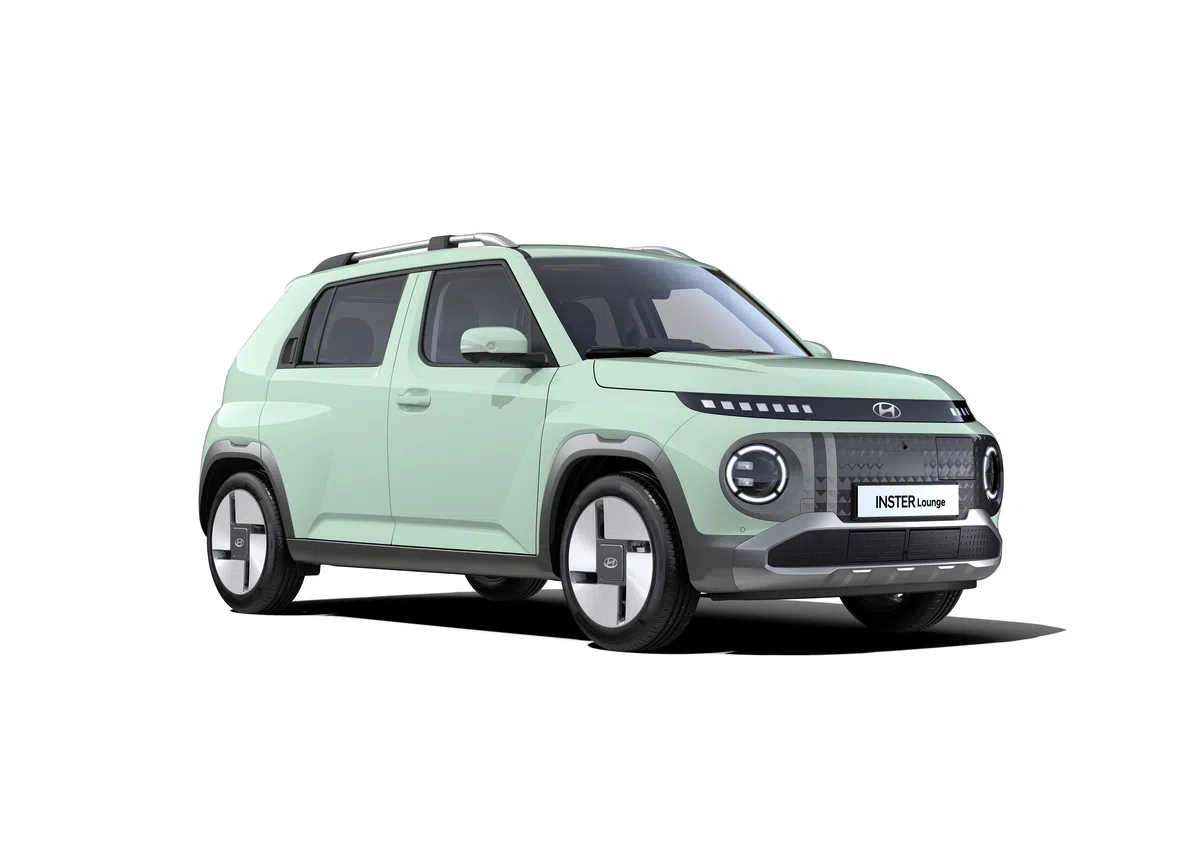
Hyundai Inster Lounge: Luxurious version of affordable car
The Hyundai Inster has drawn attention as an attractive alternative within electric vehicles. This compact model not only plunges into the trendy segment of affordable electric cars but has also added...

Tech Festival
14 September 2026

Trump downplays concerns about AI dangers
Last weekend, leaders in the technology sector expressed serious concerns about the risks posed by artificial intelligence (AI). This call for attention to the safety aspects of AI was widely supporte...
Tech Festival
14 September 2026
AI tackles spreadsheets: Opportunities and risks for accountants
The rise of artificial intelligence (AI) does not aim to replace jobs, but to optimize the use of spreadsheets like Microsoft Excel and Google Sheets. Major software vendors are introducing new AI fun...
Tech Festival
14 September 2026