
OpenAI introduces invisible watermarks for ChatGPT texts

OpenAI has announced that in the coming weeks it will provide texts from ChatGPT and Codex in the European Union with an invisible watermark. This initiative is intended to comply with the requirements of the European AI regulation. The watermark, which consists of a statistical pattern in the text, helps users identify content that may have been generated by an OpenAI model. This development is an extension of OpenAI's existing technologies, which already assist in verifying other types of generated media, such as images and audio.
When applying the watermark, the word choices of the models are subtly adjusted, without any visible labels or special characters appearing in the text. OpenAI states that the impact on the speed, quality, and readability of the texts is minimal. However, there are significant limitations to this technology; rewriting or translating the texts can completely remove the watermark, making it difficult to reliably detect this type of text.
The introduction of watermark detection is not accompanied by a publicly available detector. Only selected researchers and expert organizations will initially have access to test and improve the technology. This raises questions about the effectiveness and reliability of the watermark, especially given that short texts are often unrecognizable and detectors may draw false conclusions. This gives rise to a broader debate about the authenticity of AI-generated texts.
For users in the Netherlands, this development means that texts from ChatGPT and Codex may contain an invisible signal regarding their origin. OpenAI emphasizes that the watermarks provide an additional indication but are not definitive proof of fraud or the extent of human contribution to the text. Context and agreements regarding the use of AI remain essential, especially for schools, editorial teams, and employers working with AI-generated content.
Read the full article from AI Insider.
Gerelateerde artikelen
Google makes SynthID accessible for verifying AI content
Google has opened access to its verification tool SynthID for the general public. Through the website synthid.com, users can check images, videos, and audio files for a digital watermark indicating wh...

Tech Festival
07 October 2026
Smart Plant Towers for Cleaner Office Air
In modern offices, air quality is often an overlooked issue, with many employees in environments filled with chemicals and inadequate ventilation. Greenairy, an innovative company, offers a potential...
Tech Festival
07 October 2026
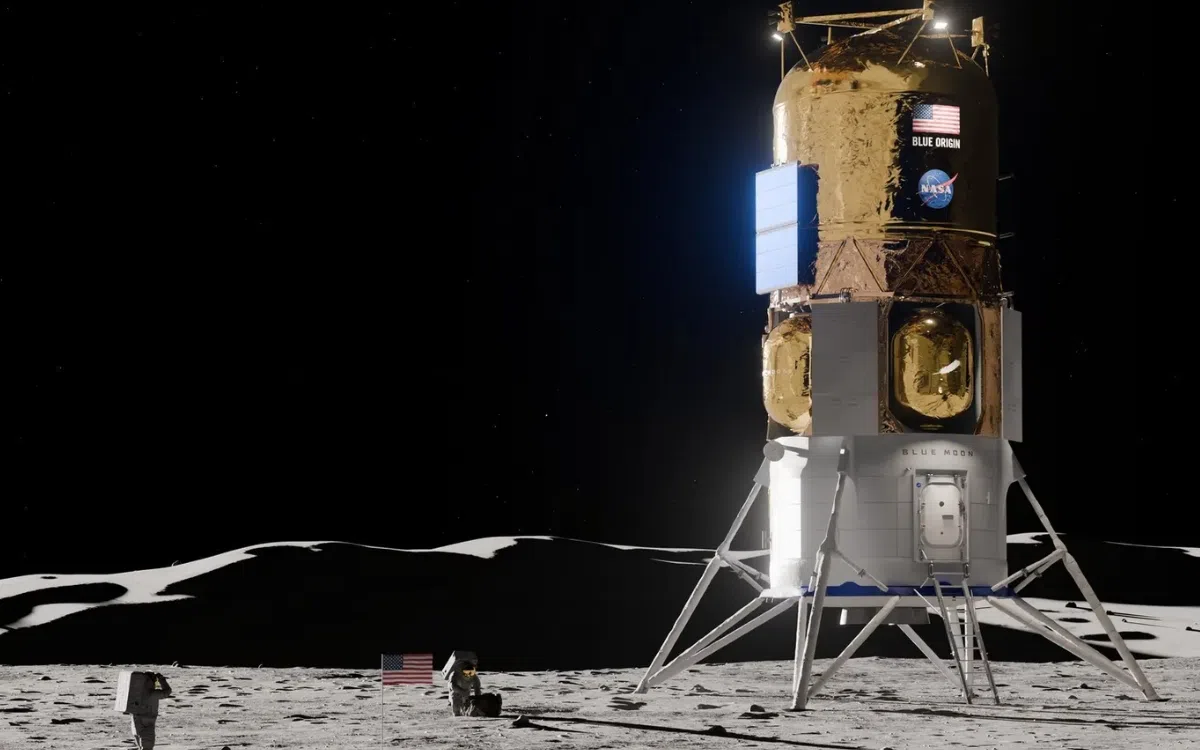
NASA's ambitious plans for the moon mission
NASA has developed ambitious plans for a new moon mission, aiming to put humans back on the moon's surface in 2028. This mission marks not only humanity's return to the moon after nearly fifty years o...
Tech Festival
07 October 2026