
Prime Minister Jetten used OpenAI's ChatGPT: insight or risk?

Prime Minister Rob Jetten recently revealed that he uses artificial intelligence (AI) tools when drafting public communication, such as messages and explanations. The aim of this deployment is to enhance the speed and clarity of communication. However, this development raises important questions about transparency and accountability within the public sector.
Jetten indicated that he uses AI for rewriting, shortening, or improving texts. It is not publicly revealed which specific services were used, but generative AI systems such as OpenAI's ChatGPT, Google's Gemini, and Microsoft's Copilot are popular in this domain. These tools can improve the quality of texts but carry the risk of generating inaccurate or fabricated information. Experts therefore advise implementing human oversight before such texts are published.
The use of AI in political communication is not prohibited, but the potential for misinterpretation and the lack of transparency can lead to distrust among voters. The European AI regulation (AI Act) imposes obligations on providers of these models, but users within the government are also encouraged to provide clarity about the use of AI. Ensuring transparency can contribute to trust in government communication, especially when citizens need to assess who is responsible for the published content.
There are existing laws and regulations, such as the Open Government Act and the Archives Act, which impose requirements on the traceability of communication. In addition, there are significant privacy considerations regarding data processing by external AI service providers. The GDPR sets requirements for data minimization and transparency about data collection. Therefore, for political communication, it is crucial that clear guidelines are established for the use of AI, ensuring the integrity of information and limiting legal risks.
Read the full article from AI Insider.
Gerelateerde artikelen
OpenAI transforms coding tools into an always-on assistant
OpenAI has recently restructured its existing coding tools and transformed them into an innovative solution called 'dots', which acts as a constant personal assistant. Alexander Embiricos, the driving...

Tech Festival
27 October 2026
Reliability of Chinese AI at Stake
A recent incident has raised questions about the reliability of Chinese AI models. Cohere, an organization focused on artificial intelligence, has revealed that one of Alibaba's AI models, called Qwen...
Tech Festival
27 October 2026
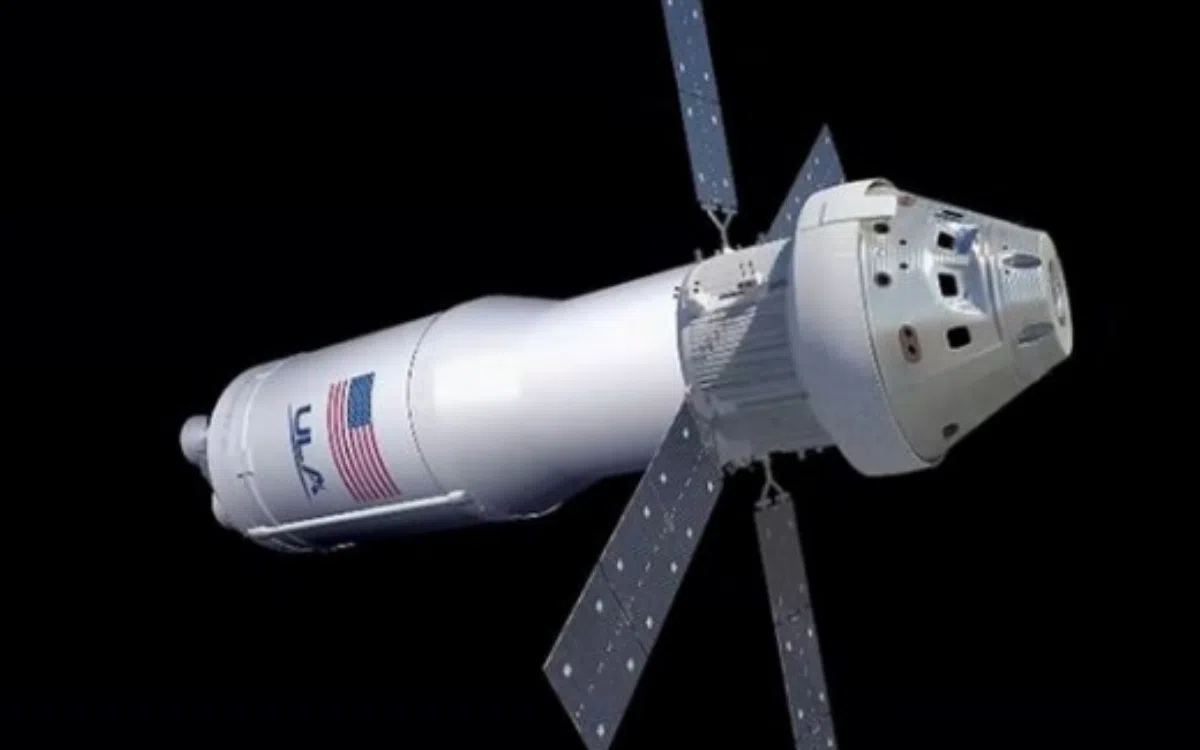
NASA modifies moon mission due to SpaceX and Blue Origin
NASA remains determined to return humans to the moon in 2028, but is facing delays in the development of the necessary lunar lander. This lander is crucial for the moon mission and the space agency is...
Tech Festival
26 October 2026