
Samsung launches AI glasses without a screen in November

Samsung has announced it will release its first AI glasses, called Intelligent Eyewear, in November. These innovative glasses do not have a screen but are equipped with a camera, microphones, and speakers. A spokesperson from Samsung Electronics has confirmed the details to The Korea Herald. The new smart glasses were first showcased during Google I/O in May and gained more attention in July at the Galaxy Unpacked event in London. To date, Samsung has not disclosed a price.
The camera and microphones onboard the Intelligent Eyewear record what the user sees and hears. This information is processed through a connected Galaxy smartphone, with responses delivered via the speakers in the glasses. Samsung is targeting a market segment already dominated by Meta, which holds a large percentage of current AI glasses sales.
A key concern for Samsung is the weight of the glasses. The company has indicated that the glasses will be lighter than most others on the market. During Galaxy Unpacked, it was stated that the final weight would be up to 5 grams less than the Ray-Ban Meta, which weighs 51 grams. However, the final weight of the Samsung glasses has not yet been disclosed.
The market for AI glasses is growing rapidly; according to Counterpoint Research, the number of AI glasses shipped worldwide in the first half of 2026 increased by 263 percent compared to the previous year. Glasses without screens account for the majority of these shipments at 96 percent, with Meta currently holding a 94 percent market share in that segment. At the same time, the presence of cameras in these glasses raises privacy concerns. In South Korea, the Personal Information Protection Commission has spoken with Samsung about methods to alert people nearby when the glasses' camera or microphone is active. Samsung has promised that the glasses will have indicator lights to signal these activities.
Read the full article from AI Insider.
Gerelateerde artikelen
AI industry must take responsibility
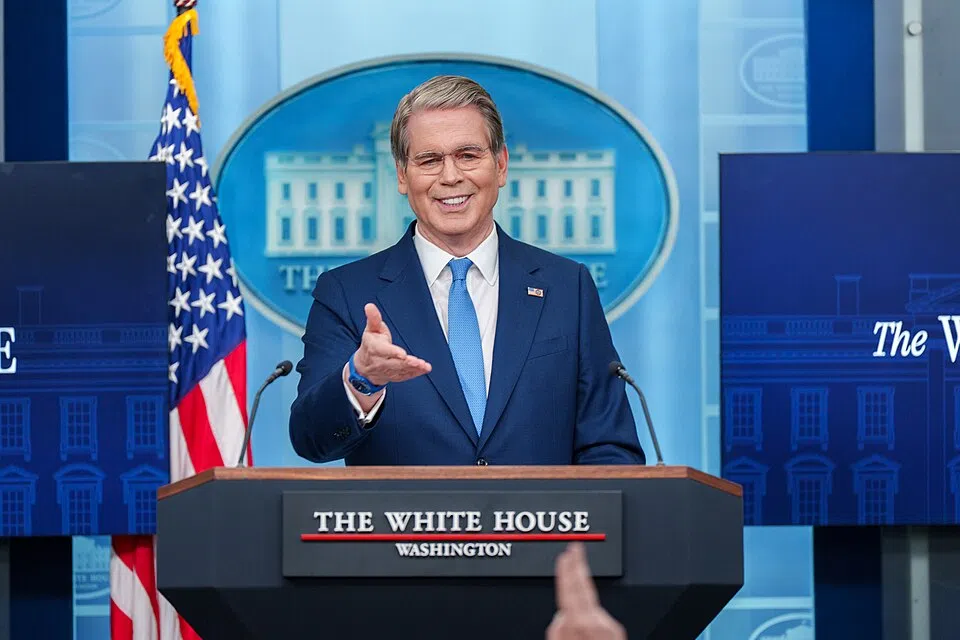
U.S. Secretary of the Treasury, Scott Bessent, has criticized the warnings from prominent figures within the AI industry regarding the risks of artificial intelligence. He argues that these alarmist t...

Tech Festival
03 October 2026
Federal judge deems Flock an invasion of privacy
A federal judge recently ruled that a sheriff's deputy violated the U.S. Constitution, particularly the Fourth Amendment, by using the automated license plate recognition system Flock to search for a...
Tech Festival
03 October 2026
OpenAI employee warns about AI safety
An employee from OpenAI has resigned amid growing concerns about the safety measures of the largest AI companies. The departing worker, who was involved in AI safety, believes that insufficient action...
Tech Festival
03 October 2026