
AI and the Search for Extraterrestrial Life
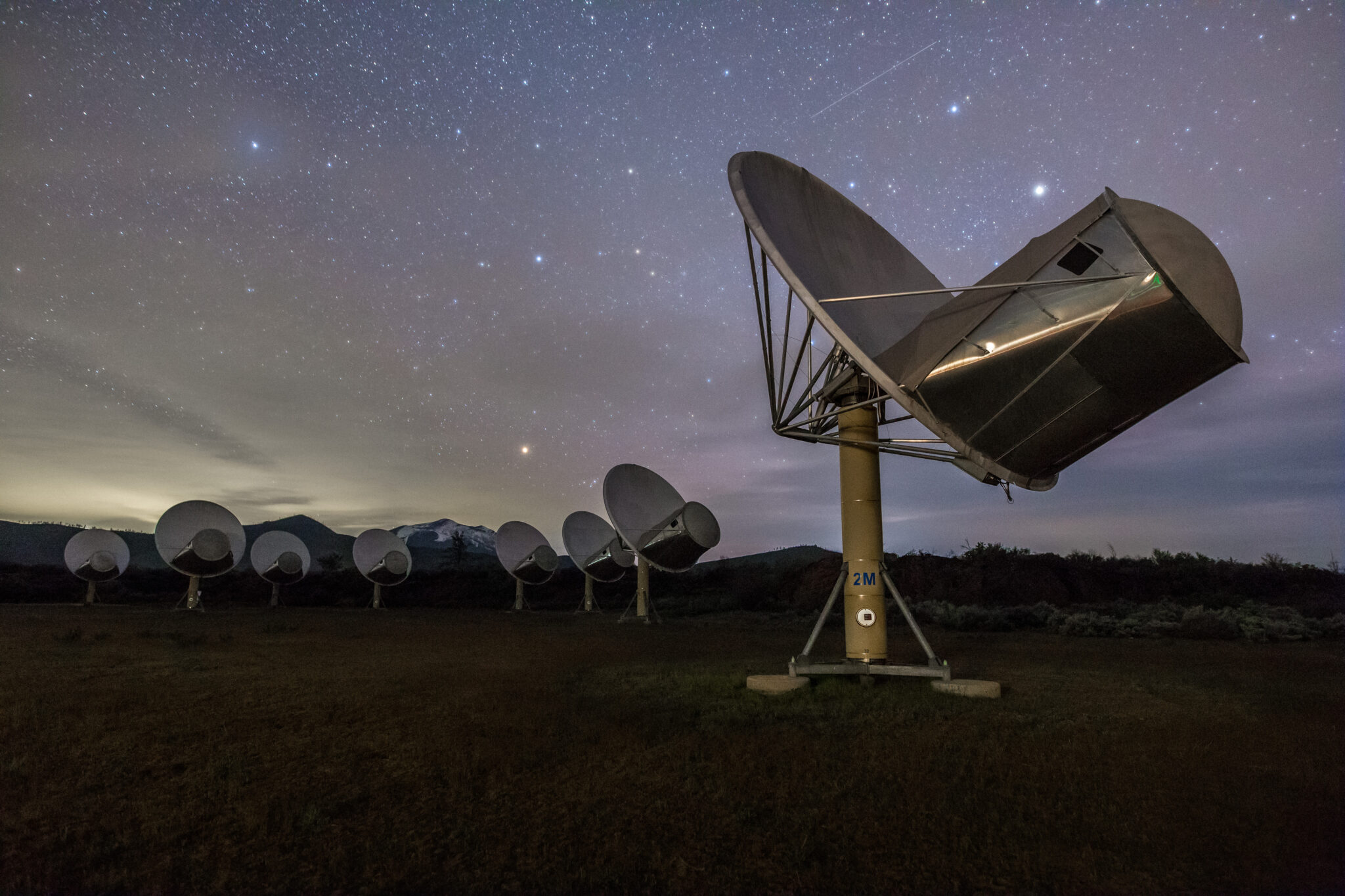
The search for extraterrestrial life has made a significant leap forward through the deployment of AI (artificial intelligence). While science fiction often tells us that humanity comes into contact with alien beings, scientists now assert that the real search is conducted by human AI agents listening for alien AI agents. This presents opportunities, especially considering the idea that alien civilizations may be billions of years older and have developed technologies that far exceed human capabilities.
Institutions like Breakthrough Listen and the SETI Institute utilize agentic AI in their daily search for extraterrestrial intelligence. Thanks to the Allen Telescope Array in Northern California, these agents can now direct the instrument, enhance data, and apply it to incoming streams, all with a single command in natural language. The NVIDIA Holoscan platform plays a crucial role by processing and analyzing massive amounts of sensor information.
The combination of these technologies leads to a faster and more flexible search operation for potential signals of extraterrestrial life. According to Andrew Siemion from the SETI Institute, this new form of AI may identify more with alien technologies than with humanity itself, opening points of translation and understanding rather than sowing fear.
The capabilities of the system are further enhanced by the substantial data streams generated by radio telescopes. The DAQIRI library of Holoscan enables the telescope team to pull terabits per second of sensor information directly into GPU memory, allowing for processing during observations. This accelerates a process that would otherwise take humans weeks or even years. The system has already proven its worth by achieving real-time AI detection of a pulsar, highlighting the effectiveness of this new approach.
Looking ahead, the team is considering open models like NVIDIA Nemotron, which could be crucial for observatories that will operate in remote locations, such as the far side of the moon.
Read the full article from Nvidia.
Gerelateerde artikelen

Google's first data center satellite writes poetry
A recent development in aerospace and technology is the launch of Google's first data center satellite. This satellite houses a Tensor Processing Unit (TPU) capable of running a model from Google Deep...

Tech Festival
30 October 2026

Geothermal heat as an alternative to gas in Europe
The recent study by Project InnerSpace and Future Cleantech Architects reveals that sufficient geothermal heat is present in 30 European industrial areas to reduce dependence on natural gas. This pote...
Tech Festival
30 October 2026
Theranos whistleblower warns of AI fraud
The recent rise of AI technology raises concerns similar to the story of Theranos. Tyler Shultz, a whistleblower at the controversial biotech company, points to the dangers of a market where startups...
Tech Festival
30 October 2026