
United Kingdom rejects AI 'kill switch' proposal

The British government has decided not to introduce a legal framework for a so-called 'kill switch', which would allow dangerous AI systems to be turned off in emergency situations. This decision is remarkable, given the growing concerns about the implications of artificial intelligence across various sectors. The government justifies its decision with the argument that such an emergency button would be of little effectiveness.
According to ministries and experts, implementing a 'kill switch' could lead to legal complications and operational challenges. The ideas behind the implementation of an emergency button are often based on hypothetical situations where AI systems become unreliable or even destructive. The British government believes it is better to focus on regulation and responsible AI development.
In addition to rejecting the emergency button, the British government emphasizes the importance of robust and meticulous regulation of AI technologies. The focus should be on creating frameworks that promote transparency and accountability in the development and application of AI. This aligns with broader global discussions about AI regulation and its ethical implications.
The decision of the United Kingdom contrasts with other countries that may consider implementing such safety mechanisms. The challenge for governments remains to balance innovation with protecting society from the risks that AI may pose.
Read the full article from Bright.
Gerelateerde artikelen

OpenAI transforms coding tools into an always-on assistant
OpenAI has recently restructured its existing coding tools and transformed them into an innovative solution called 'dots', which acts as a constant personal assistant. Alexander Embiricos, the driving...

Tech Festival
27 October 2026
Reliability of Chinese AI at Stake
A recent incident has raised questions about the reliability of Chinese AI models. Cohere, an organization focused on artificial intelligence, has revealed that one of Alibaba's AI models, called Qwen...
Tech Festival
27 October 2026
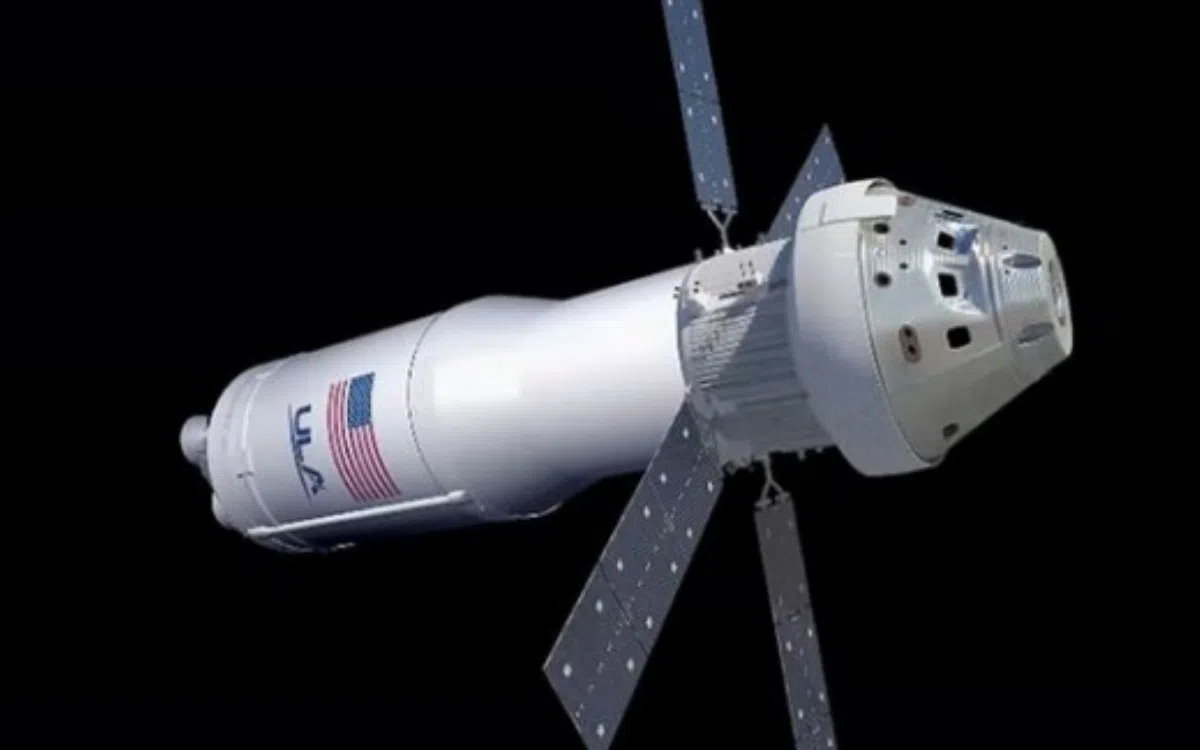
NASA modifies moon mission due to SpaceX and Blue Origin
NASA remains determined to return humans to the moon in 2028, but is facing delays in the development of the necessary lunar lander. This lander is crucial for the moon mission and the space agency is...
Tech Festival
26 October 2026