
Battery Certificates for Second-Hand EVs: Not Always Clear
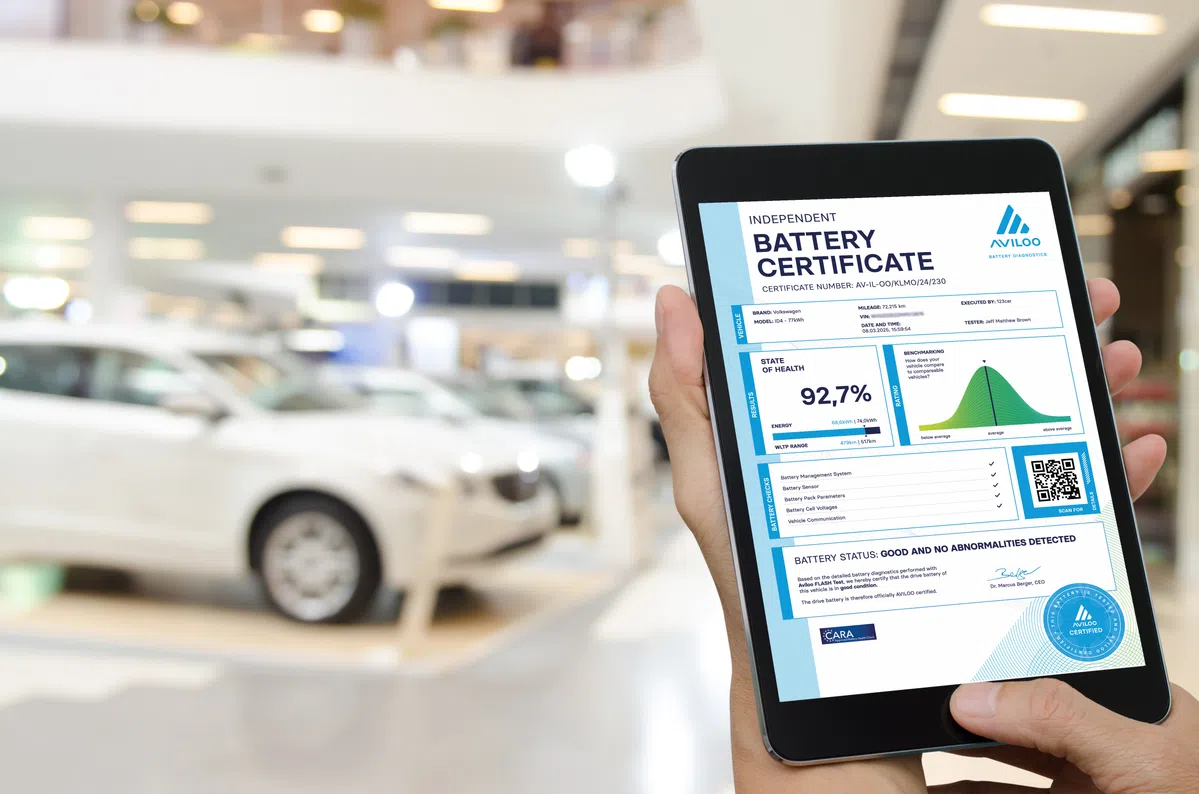
The market for second-hand electric vehicles (EVs) has grown significantly in recent years. However, the crucial question for potential buyers of these vehicles remains: how healthy is the battery? Increasingly, buyers receive a battery certificate upon purchase, but the information on these certificates often proves to be ambiguous.
One important point of concern is that the percentage indicating battery health can have different meanings depending on the dealers and manufacturers. This can lead to confusion and even disappointment for the buyer, who makes a purchasing decision based on a positive percentage. The lack of uniformity in the reports makes it difficult to compare the actual condition of the battery.
When buying a used vehicle, it is crucial that buyers are well-informed. While some battery certificates provide detailed information about the battery status, there are also instances where important details are missing. This emphasizes the need for consumers to look beyond just the percentage on a certificate and to consult other sources and information.
A solid battery certificate can alleviate doubts and foster greater confidence in the purchase, but interested parties must be aware of the variations in battery certificates. It is essential that buyers are well-informed before investing in a second-hand electric car.
Read the full article from Bright.
Gerelateerde artikelen
Meta introduces AI assistant for Instagram
Meta has announced that it will launch an AI assistant for Instagram users, aimed at helping them improve their posts. This innovative feature, which will be added to Edits, Meta's video editing app,...

Tech Festival
30 September 2026

ElevenLabs increases valuation to $22 billion
The AI voice company ElevenLabs has recently doubled its valuation to a whopping $22 billion. This increase is mainly attributed to a $300 million tender, which was partly led by investment firms Well...
Tech Festival
30 September 2026
Reddit terminates support for RSS feeds
Reddit has announced that it will cease its support for RSS feeds, which represents a significant change for users who relied on this feature to follow updates from their favorite subreddits. This dec...
Tech Festival
30 September 2026