
Safety as a Requirement for Scaling Physical AI
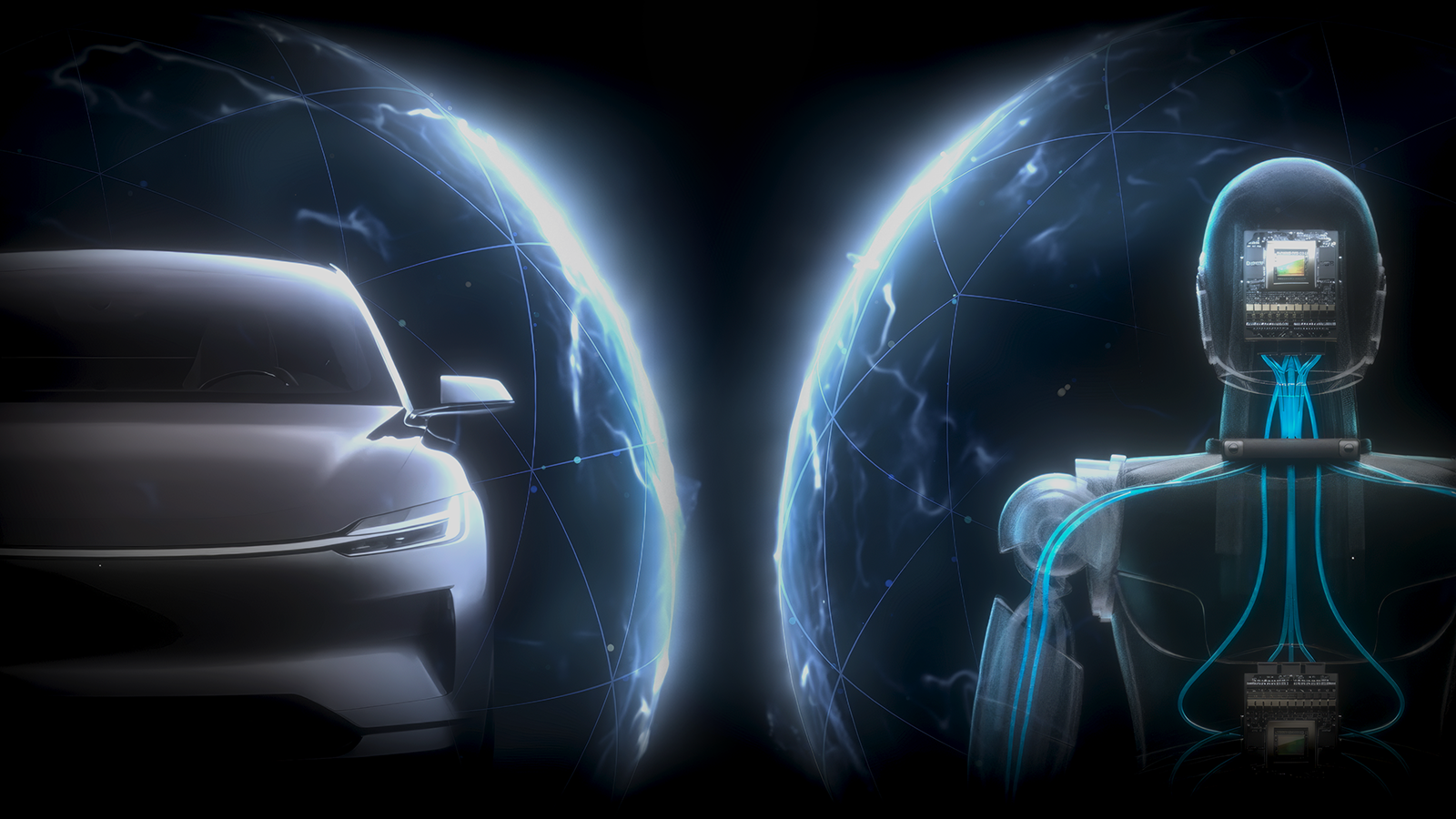
Physical AI is undergoing a rapid transformation from research to large-scale implementation. It is estimated that by 2035, approximately 49 million autonomous vehicles (AVs) and 60 million industrial robots will be operational. Safety is crucial when integrating these advanced machines into public and work environments. Ensuring the safety of AI-driven machines requires a comprehensive approach that is not limited to a one-time check before deployment but spans every phase of design, implementation, and lifecycle.
As technology advances, both developers and manufacturers must demonstrate that their systems function reliably in the real world. This involves showcasing the potential risks arising from hardware and software errors, as well as AI-specific challenges. In this context, there are four key shifts in safety standards that are shaping the future of physical AI: safe interaction with dynamic environments, specific safeguards for AI behavior, continuous validation during updates, and the use of simulation and synthetic data for comprehensive testing.
NVIDIA has established a foundation for the safe use of Physical AI, based on over a decade of experience in AV safety. Their NVIDIA Halos is the first complete safety solution that assists developers in ensuring safety at all levels of design processes, from hardware to software and AI behaviors. This system connects cloud-based development and simulation with actual implementation in vehicles.
The Halos ecosystem includes collaboration with various companies engaged in the construction and integration of physical AI solutions. For autonomous vehicles, companies such as Geely, Isuzu, and Nissan are collaborating with NVIDIA, while significant contributions in robotics are made by companies like acontis and NexCOBOT. Certification bodies such as TÜV SÜD and TÜV Rheinland play a role in the independent assessment of the safety and performance of the technology. The future of physical AI lies in developing systems that are not only advanced but also safe and reliable in practice.
Read the full article from Nvidia.
Gerelateerde artikelen

MacBook Neo back at original price of 699 euros
Apple has recently brought the prices of the MacBook Neo back to the original level of 699 euros. This laptop, which initially attracted attention with its appealing price, offers users a powerful com...

Tech Festival
21 September 2026

Oura's IPO: An Opportunity for Existing Shareholders
In Oura's recent IPO filing, it becomes clear that the real estate firm Forerunner Ventures plans to sell its entire stake in the company, which could amount to as much as $1.26 billion. This developm...
Tech Festival
21 September 2026
Tabby: AI platform increases efficiency in accounting
Tabby is an innovative platform aimed at streamlining accounting processes. Developed by a former accountant, the tool provides a real-time interface for accounting that automates document processing....
Tech Festival
21 September 2026