
PHP vulnerability affects many websites

PHP is a widely used server-side scripting language, primarily known for its role in web development. It enables developers to create dynamic content and is employed by millions of websites worldwide. Recently, however, a serious vulnerability in this programming language has come to light, causing numerous websites, including important government portals such as DigiD and MijnOverheid, to be temporarily taken offline.
The popularity of PHP lies in its simplicity and accessibility for developers. It allows both beginners and experienced programmers to build web applications quickly. This has led to broad acceptance and integration into various content management systems. With the discovery of the vulnerability, however, there is an urgent need for awareness about the implications. The security flaw allows attackers to gain unauthorized access, which can lead to the leakage of sensitive information.
Experts warn that the consequences of this vulnerability could be far-reaching, given the large number of websites that rely on PHP. The impact extends beyond just the affected sites; users' trust in online services could be severely undermined. In addition to the directly visible consequences, such as a temporary offline status of websites, there are also concerns about the broader implications for the cybersecurity environment, especially at a time when digital trust is essential for supporting government services and business operations.
Recommendations for developers include upgrading PHP to the latest versions that contain security patches and reviewing the implementation of their web applications to minimize the risks of such vulnerabilities. The current situation illustrates the need for businesses and organizations to continuously pay attention to security and proactively act against potential threats in their digital environments.
Read the full article from Bright.
Gerelateerde artikelen
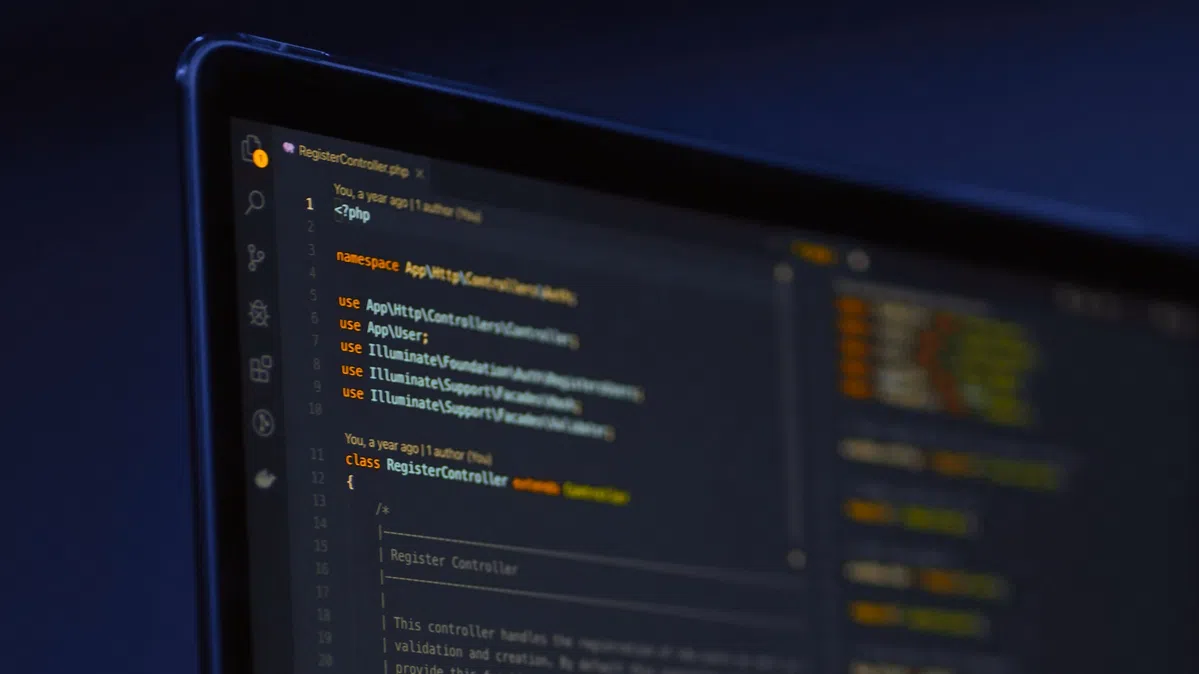
Update for major PHP vulnerability available
The PHP Group has recently released an emergency update to address two serious vulnerabilities that are widely exploited. These vulnerabilities led many companies and organizations to temporarily take...

Tech Festival
21 October 2026

iPhone Duo: A Dangerous Device for the User
The launch of the iPhone Duo has generated many reactions within the tech community. In a recent article, reviewer Erwin shares his extensive findings on the first foldable iPhone. Based on half a wee...
Tech Festival
21 October 2026

Global online vulnerability update live
On Wednesday, a significant vulnerability was discovered in a crucial component of the internet, leading to the inaccessibility of countless websites worldwide. This discovery has raised concerns amon...
Tech Festival
21 October 2026