
US investigates billion-dollar deal NVIDIA and Groq

In the United States, there is currently an investigation underway regarding the billion-dollar agreement between NVIDIA and the AI company Groq. Competition authorities are examining whether this deal puts competition in the area of chips and computing power for artificial intelligence (AI) at risk. Given NVIDIA's already strong position in AI hardware, the implications are significant. At the same time, there are concerns in Europe about how such deals may impact the market in light of the upcoming AI regulation.
US regulators are focusing their attention on the potential disruption of the market for AI accelerators and cloud computing by this agreement. The details of the deal have not yet been made public, but the investigation focuses on possible negative effects on access, pricing, and consumer choice. NVIDIA's product lines, such as the H100 and H200, set the standard for training AI models. A barrier to access could be detrimental to AI startups, researchers, and governments, as it may limit their ability to utilize crucial technologies.
Groq positions itself with its unique chip architecture, the Language Processing Unit (LPU), and the cloud platform GroqCloud as an alternative to NVIDIA's traditional GPUs. This focus on rapid inference means that Groq aims to efficiently execute trained models for applications such as chat and voice. However, a closer collaboration with NVIDIA could influence pricing negotiations and customer independence, potentially further reducing diversity in the market.
The European Commission may also intervene, even without formal thresholds, if the deal affects European consumers. The AI regulation requires transparency and oversight for AI systems, which could impact compliance requirements for government and businesses. Scenarios related to the investigation could range from approval to conditional approval or even a ban, with ensuring fair access and avoiding exclusivity at the forefront. It is crucial for policymakers and buyers to ensure supplier diversity to avoid price increases and market disruptions.
Read the full article from AI Insider.
Gerelateerde artikelen
OpenAI transforms coding tools into an always-on assistant
OpenAI has recently restructured its existing coding tools and transformed them into an innovative solution called 'dots', which acts as a constant personal assistant. Alexander Embiricos, the driving...

Tech Festival
27 October 2026
Reliability of Chinese AI at Stake
A recent incident has raised questions about the reliability of Chinese AI models. Cohere, an organization focused on artificial intelligence, has revealed that one of Alibaba's AI models, called Qwen...
Tech Festival
27 October 2026
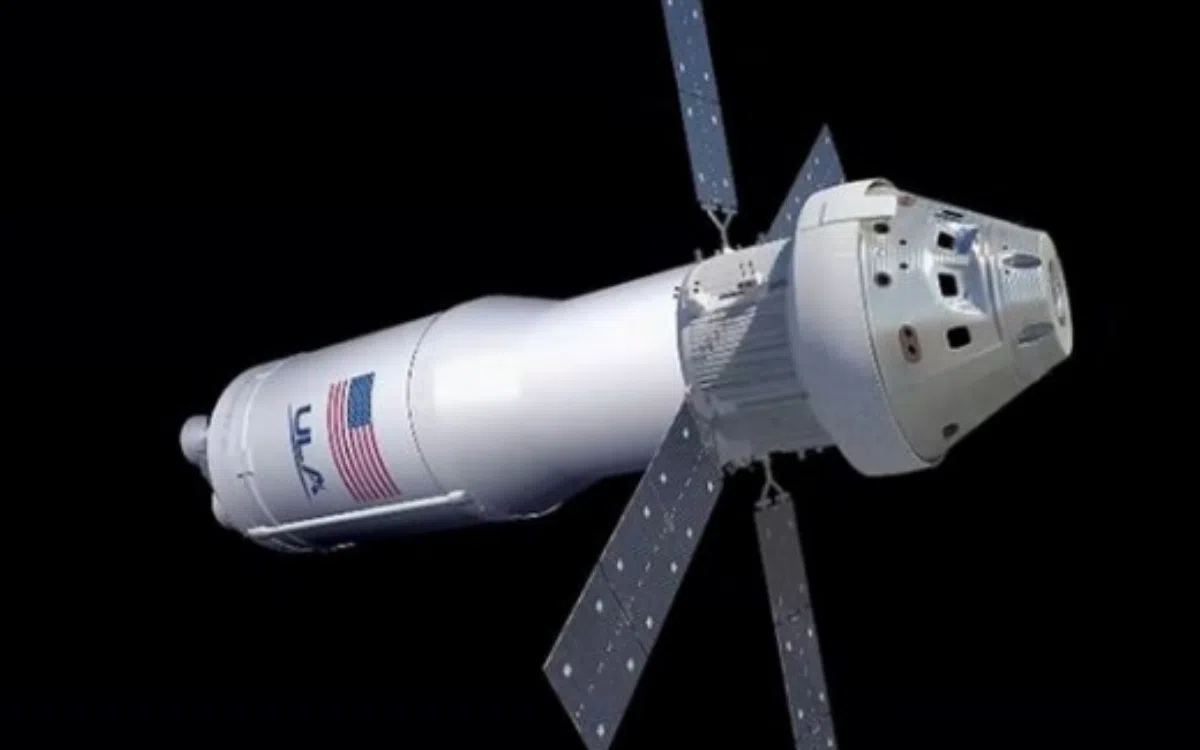
NASA modifies moon mission due to SpaceX and Blue Origin
NASA remains determined to return humans to the moon in 2028, but is facing delays in the development of the necessary lunar lander. This lander is crucial for the moon mission and the space agency is...
Tech Festival
26 October 2026