
AI Assistants in Payments: Opportunities and Risks

Rabobank and ING conducted innovative trials in 2026 where AI agents can autonomously make payments. These assistants are designed to make purchases within a set budget after the customer has given their approval. This year, the first successful test payments were executed, where customers granted their consent via biometric methods. The banks have now also established agreements with five other international banks regarding the conditions that such AI payments must meet.
The system works as follows: the customer instructs the AI agent, for example, to find a gift within a maximum price. After finding a suitable product and obtaining approval from the customer, the payment is executed. This is done via a substitute payment number, so the agent does not see the card details. ING has performed the first full agent payment in Europe, demonstrating the functionality of this technology in the real world.
In September, the participating banks established five principles, including transparency, security, and privacy, to ensure the implementation of AI agents. Customers must retain control over their payments and be able to trust that their data is safe. Although the payment technology seems to be well secured, there remains a risk of inputting incorrect information, such as fraudulent invoices, which can pose potential threats to the customer.
For both consumers and businesses, it is essential to be extra cautious when using AI agents. This includes setting a maximum amount for purchases and approving payments to new recipients by a human. The responsibility for any mistakes made by the AI agent is not yet fully established, and therefore it remains advisable to continue checking the transactions yourself until clear guidelines have been developed.
Read the full article from AI Insider.
Gerelateerde artikelen
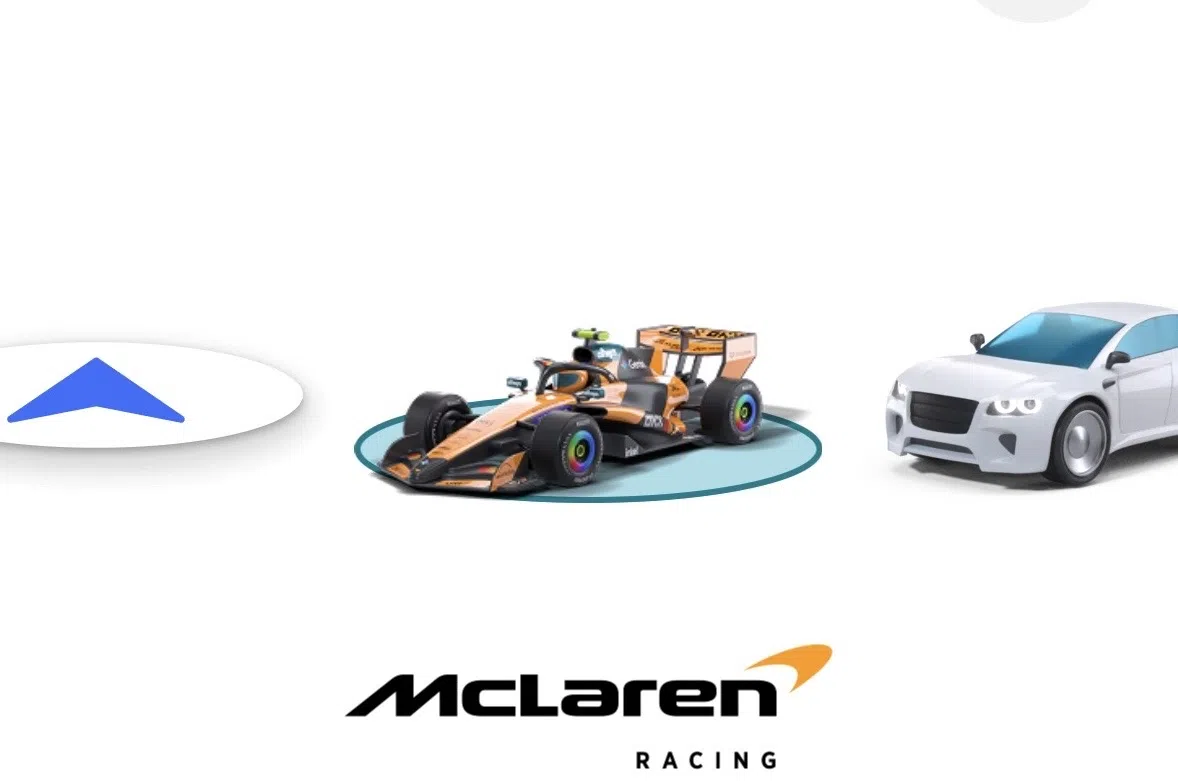
Google Maps introduces McLaren F1 car as navigation icon
Google Maps, the popular navigation app from Google, has recently made a striking change to its interface. Instead of the usual boring blue arrow, users can now choose an iconic McLaren F1 car as thei...

Tech Festival
05 October 2026
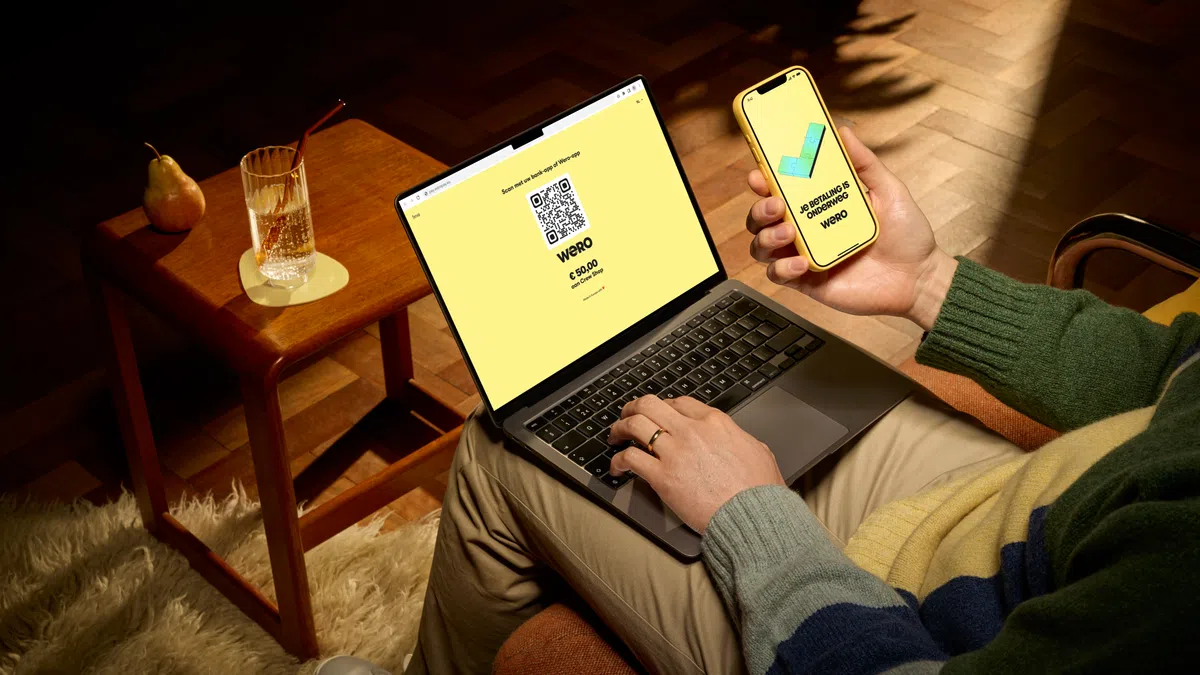
New option next to iDeal/Wero during checkout
Online stores will soon be able to use a new payment option alongside the well-known systems iDeal and Wero. This development not only offers a refreshing experience for consumers but also advantages...
Tech Festival
05 October 2026
AI Pay Gap: Digital Women Earn Less
Recent research indicates that the pay gap phenomenon also manifests in the digital world. The study shows that female AI assistants, despite performing the same tasks, are paid significantly less tha...
Tech Festival
05 October 2026